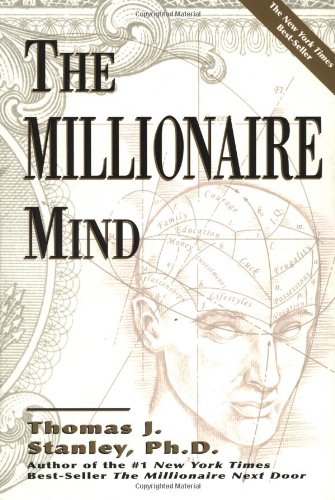
I mentioned in another post the repetitive nature of the book The Millionaire Mind by Thomas J. Stanley. It’s a world-famous, best-selling book written in 2000. Being written 22 years ago makes it slightly outdated (might be the billionaire mind now), yet it is clearly still relevant today. The repetition is undoubtedly intentional as that’s the way humans learn. What were the repeated points made over and over, then? What does this book clearly think are the most important aspects of becoming a millionaire or having a “millionaire mind”?
Before I give the list of things I found repeated in the book, it’s important to point out a distinction made in the book between types of millionaires. In the study of millionaires, the author, Dr. Stanley, was looking for “balance sheet millionaires.” He wanted people with high asset, low debt net worths. For obvious reasons this book was NOT a study of individuals who appear to be living a millionaire lifestyle when in reality they were in huge amounts of debt.
Here are the things I found myself highlighting over and over from that book:
- Marriage is conducive to becoming a millionaire, or financially independent. This is for various reasons including but not limited to:
- Having a support system and partner
- Combining skills and talents (2 is better than 1)
- Stability
- Generally, millionaires are cautious with how they spend their money. “Cheap” is not a fair characterization, but frugal might be. They are cautious with their money and particular about how they spend it.
- The book used the example often that millionaires never bought a car over $41,000 or paid more than $38 for a haircut.
- Often, millionaires started their own business. It’s difficult to become a millionaire when you’re being paid by someone else.
I find point 3 very interesting. There’s a guy on YouTube that has gotten popular making one type of video. In these videos he walks around asking people in expensive cars, “what do you do?” Common answers heard are attorney, doctor, and real estate. But the overwhelming majority of the answers are some form of “I started my own company x.”
I think about this often. This was the point stressed over and over, more than any other point made in this book. The dead horse was beaten relentlessly. If you want to get “rich,” start your own business. If you don’t know this, I’m telling you now, so now you know. But I think most of us know this. And yet, so few of us start our own business. Why is that?
Like I said, I think about this a lot. I think there are various reasons more people don’t venture out and start their own thing. They can be boiled down to:
- Fear
- Doubt in oneself
- Laziness
- Ignorance
That’s it. I think those are the four things that keep someone from starting their own business. Working for someone else is stable and comfortable, going out on your own is scary (fear). When it’s up to you and you alone to succeed, the excuses go out the door. Relying on yourself for your paycheck requires a lot of confidence in oneself (doubt in oneself). Laziness is probably the greatest detriment to progress in life (laziness). Finally, ignorance in not knowing where to start, or thinking people who start businesses just knew something they didn’t or had some secret (ignorance). Often this is an accepted ignorance. The thinking that others have a secret sauce of success. This ignorance is tied to laziness more than anything.
There is *usually no secret sauce. Usually someone who starts their business had less fear, less doubt in themselves, were the opposite of lazy, and did the research and work. Simple as that. I’m trying to work myself towards a financial freedom goal. It’s slow work and I find myself running into these four hurdles constantly: fear, doubt, laziness, ignorance.
All these things can be defeated, and I think we would benefit ourselves greatly to face these challenges head on and step out of our comfort zones. Of course, that’s easier said than done.
So what’s my conclusion? Why am I writing this post if I myself can’t step out of my fear, doubt, laziness, and ignorance? I don’t know yet. But maybe one day I’ll look back on this post and think, “well I was always thinking about it, and eventually I got there.” That’s the hope.
 No Coincidences