Tag: commandments

  • Why we REALLY don’t Drink Coffee

    Why we REALLY don’t Drink Coffee

    Members of the Church of Jesus Christ of Latter-day Saints abstain from tea and coffee, along with other drinks and substances. We refer to this as the “Word of Wisdom.

    The question often comes up, “Why don’t you drink coffee?” This seems to be the one that really hangs people up. Abstain from cocaine? Makes sense. Alcohol? People can see it. COFFEE?!?!?!!?! People are befuddled.

    This isn’t an easy question to answer, but I wanted to write my thoughts on it. The REAL reason we don’t drink coffee.

    Do we not drink tea and coffee because it makes us healthier? Do we avoid coffee because it’s addictive? Do we avoid coffee for our body’s health?

    Maybe.

    Is that the primary reason we don’t drink coffee?

    NO.

    Why do we pay tithing?

    Why do we partake of the sacrament on Sunday?

    Why do we avoid going to the store or other activities on Sunday?

    Why do we do any number of things the world finds peculiar?

    It’s because we have made covenants with God to obey His commandments. That’s it. That’s why we do what we do. To be obedient to God.

    Maybe it makes us healthier, maybe keeping the sabbath holy renews our spirits, maybe not swearing keeps our minds clean, maybe tithing brings us blessings. But are any of these maybes the real reason we do anything? It shouldn’t be.

    We do these things because we love the Lord and have covenanted to follow Him. End of story. The world might call it restrictive, but from my personal experience, it is the EXACT opposite. It is freedom.

  • Black and White and Adam and Eve

    Black and White and Adam and Eve

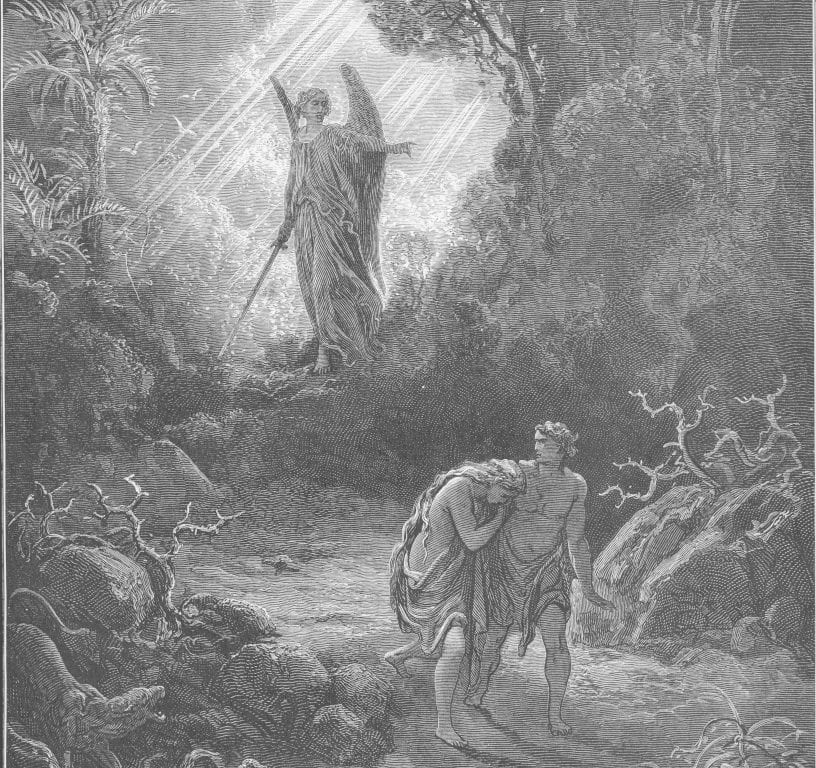
    In the Garden of Eden Adam and Eve were given two commandments.

    1. Multiply and replenish the earth.
    2. Do not eat of the Tree of the Knowledge of Good and Evil.

    In the church we are familiar with this dichotomy. Commandment one could not be completed without disobeying commandment two. What were Adam and Eve to do?

    I recently read a classic short story called The Invisible Collection from Out of the Best Books Volume 1 (p. 329). This short story was in a section titled “Good Versus Evil.”

    In this short story, an art shop owner/dealer learns of a patron of his art shop, which his father and grandfather ran before him, that had been a client for nearly 60 years. He decides to go visit this client to see his collection and see if he might be able to purchase some of it back from him. The client had been collecting for 6 decades and the pieces he bought for cents were now worth a fortune. This story was set in Germany after the war. Inflation was ravaging the country.

    The art dealer visited the modest home of this art collector, only to learn that the art collector that had purchased hundreds of paintings, drawings, and art pieces from his shop was blind. This art collector hadn’t always been blind, he had become blind after the war. Our main character, the art shop owner, learned that this now very old man still daily pulled out the many portfolios he had collected and went through each piece one by one. He used his memory to see every detail he had spent countless hours admiring when he still had his vision. His art collection, even blind, was his greatest treasure.

    When our shop owner arrived at the home, he was immediately pulled aside by the wife and daughter of this old man. They told him the truth before he could cry out in astonishment in front of the old man. In order to survie they had been selling the art pieces for years. The husband of a second daughter of the old art collector had been killed in the war and she was left with 4 young children to feed. The family was barely getting by, barely surviving. They sold these priceless art items to survive. They replaced the real art with papers to fool the old man. They never told the old man because, understandably, they didn’t want to break his heart.

    This story really made me think.

    Lying is bad, right? And yet, in this story, the family of the old man had to lie, didn’t they? Or did they?

    Multiply and replenish the earth, but don’t eat from that tree. Many things in this life are not black and white. There isn’t a “right” or “wrong” answer to every question. There’s a lot of gray area in this life. That’s the point, though. God wants us to learn in this life to be wise stewards. He wants us to learn to make decisions for ourselves, to learn and grow from our choices.

    “nevertheless, thou mayest choose for thyself, for it is given unto thee”

    Moses 3:17

    God is teaching us to be rulers in this life. God wants us to learn good from evil. He wants us to learn to follow the promptings of the Spirit (truth) and learn to follow that guidance. He wants us to take many options and make the best choice. He wants us to learn how to evaluate what is best to do, then do it.

    Being worthy is receiving something, putting it into your life, and acting upon it. As we prove ourselves worthy God gives us bit by bit more, and we grow step by step. That is what God is teaching us in this life. Worthiness, righteousness, freedom of choice, and stewardship.

    So, in this light, that we’re daily being tutored by God for greater purposes, how are our daily choices?

  • Sidney Rigdon Miracle

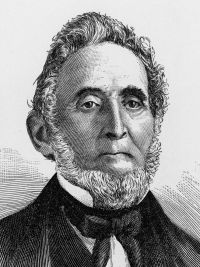
    Sidney Rigdon Miracle

    21 August, 1842. 

    Apparently, it had been thought that Sidney Rigdon meant “to renounce his faith in Mormonism” when he took the stand on 21 August 1842.  Instead, he “appeared to bear his testimony of its truth, and add another to the many miraculous evidences of the power of God.”

    I stumbled upon this story while reading a commentary on Doctrine and Covenants section 124 verses 103-110.  In these verses Sidney Rigdon is admonished to continue to stand by the Prophet Joseph Smith, along with other commandments, and “if he will hearken unto my voice, it shall be well with him” (verse 110).

    Smith and Sjodahl remark that, “Sidney Rigdon, according to a generally prevailing impression, was more or less under the influence of a spirit of apostasy.  It is related that, in Liberty jail, he declared to his fellow-prisoners that the sufferings of the Lord were nothing compared with his, and while the faithful Saints were straining every nerve to complete the Nauvoo Temple, he had no word of encouragement to them.  As a consequence of his disposition, he did not have good health.  Like the Corinthians who partook unworthily of the Sacrament (1 Cor. 11:30), he was ‘weak and sickly.’  The Lord, therefore, points out to him the cause of his ailments and promises to heal him, if he will do his duty and stand by the Prophet as a true counselor.”

    The admonition from the Lord in section 124 was given on January 19, 1841 so it was 19 months later that he took the stand to detail the miracle he had experienced to those gathered.

    As mentioned, given Sidney’s recent state of apostasy, I’m sure the gathered congregation was expecting to see some potential fireworks.  They got fireworks, but not the apostasy-themed ones they were expecting. 

    Sidney told the congregation that his daughter Eliza died.  She was pronounced dead by a physician.  I will quote the story from the Joseph Smith Papers.  “after a considerable length of time she rose up in the bed and spoke in a very powerful tone to the following effect in a supernatural manner: she said to the family that she was going to leave them (being impressed with the idea herself that she had only come back to deliver her message and then depart again,) saying the Lord had said to her the very words she should relate; and so particular was she in her relation, that she would not suffer any person to leave out a word or add one.  She called the family around her and bade them all farewell with a composure and calmness that defies all description, still impressed with the idea that she was to go back.  Up to the time of her death she expressed a great unwillingness to die, but after her return she expressed equally as strong a desire to go back.  She said to her elder Sister, Nancy, ‘it is in your heart to deny this work, and if you do, the Lord says it will be the damnation of your soul.’  In speaking to her sister Sarah she said, ‘Sarah, we have but once to die, and I would rather die now than wait for another time.’  She said to her Sisters that the Lord had great blessings in store for them if they continued in the faith, and after delivering her message she swooned, but recovered again.”

    It goes on to say that she continued in a near death fashion for 36 hours before she called her father, Sidney to her.  Continuing from the Joseph Smith Papers: “the Lord had said to her, if he (Sidney) would cease weeping for his sick daughter, and dry up his tears that he should have all the desires of his heart; and that if he would go to bed and rest, he should be comforted over his sick daughter, for in the morning she should be getting better and should get well.”  Sidney had wept and prayed for his daughter’s life.  His daughter told him the Lord had commanded her to stay for Sidney’s prayers.

    The account continues, (Sidney speaking), “It has also been rumored that I believe that Joseph Smith is a fallen prophet.  In regard to this, I unequivocally state that I never thought so, but declare that I know he is a prophet of the Lord, called and chosen in this last dispensation, to roll on the kingdom of God for the last time.  He closed by saying as it regards his religion he had no controversy with the world, having incontrovertible evidence, that through obedience to the ordinances of the religion he now believes, the Lord had actually given back his daughter from the dead.”

    There is so much to unpack here.  A few things that caught my attention –

    Sydney being weak due to taking the sacrament unworthily. 

    The statement potentially made by Sidney Rigdon to the effect that the Lord’s sufferings were nothing in comparison to his, blasphemous indeed. 

    Interesting that Eliza was commanded to give the precise words of the Lord.  Shows the importance of the Lord’s words, when He speaks, we listen and when we relay His message it must be precise.

    Also, interesting that Eliza at first didn’t want to die, but once she had met the Lord, she didn’t want to come back to life.  Why did she ultimately come back?  Because the Lord commanded her.  I believe this not to be out of duty to Him (though of course it was) but out of love.  The Lord doesn’t force. 

    My concluding thought is on the cunningness of the devil.  I haven’t studied the life of Sidney Rigdon much after he officially left the church.  After reading this story I looked a little more into Sidney Rigdon.  Apparently, after Joseph Smith’s martyrdom Sidney went on missions to the East to preach and gather followers to his new church.  Sidney called it, “the most successful mission he had ever undertaken.”  Where is this church today?

    What I thought about the cunningness of Satan is this: Sidney Rigdon appears to never have denied the faith. Maybe that source exists and I haven’t seen it.  What Sidney did instead was claim the authority as his own.  He was misguided and pride took over.  He believed the authority rested with him and so, instead of denouncing the faith, he tried to promote it in his own way.  God had chosen his prophet.  Sidney Rigdon couldn’t upheave that.

    I believe there is a lot to be learned from this story from Church history. I noted just a couple of the interesting points that could result in their own post. Ultimately I settled on this important point –

    I’m not sure where Sidney Rigdon’s church is today.  I know where the Church of Jesus Christ is today.

  • Love has Afforded Me Much

    Love has Afforded Me Much

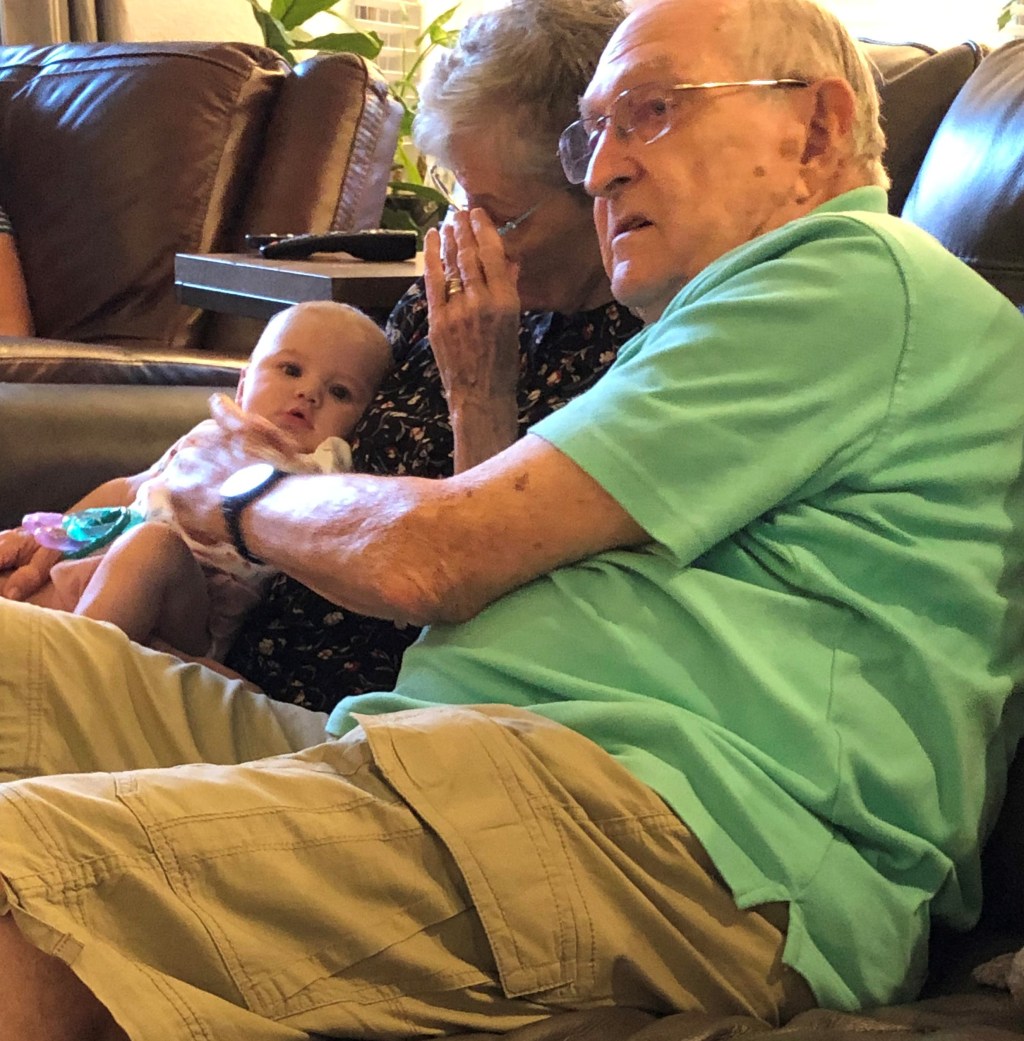
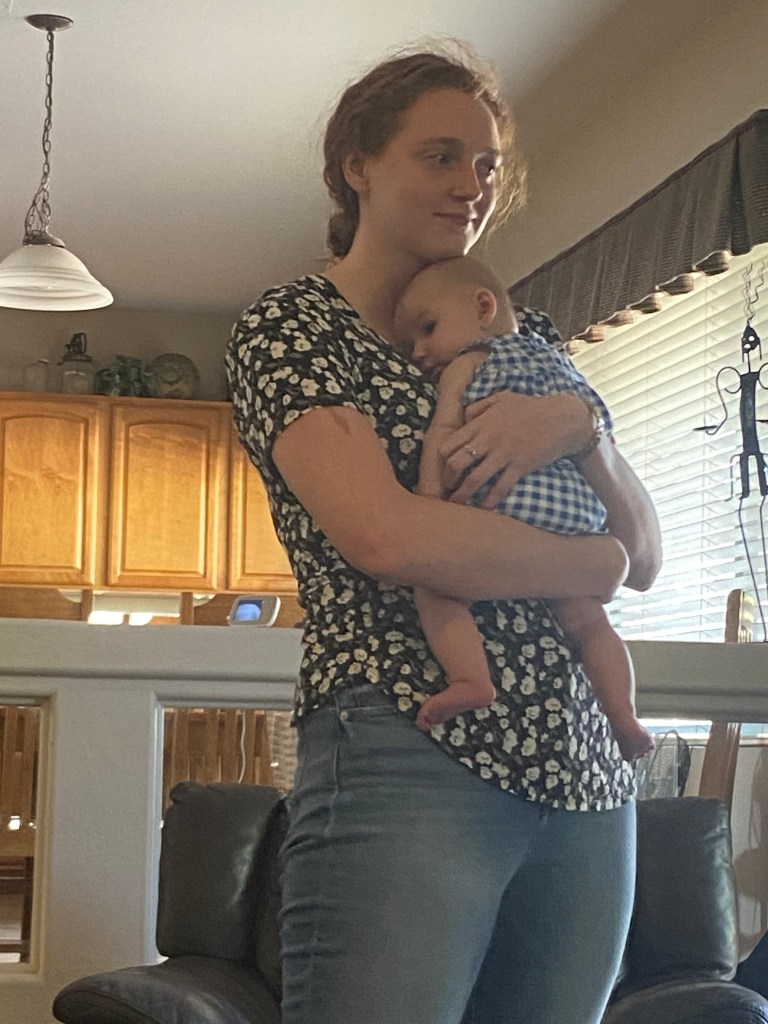
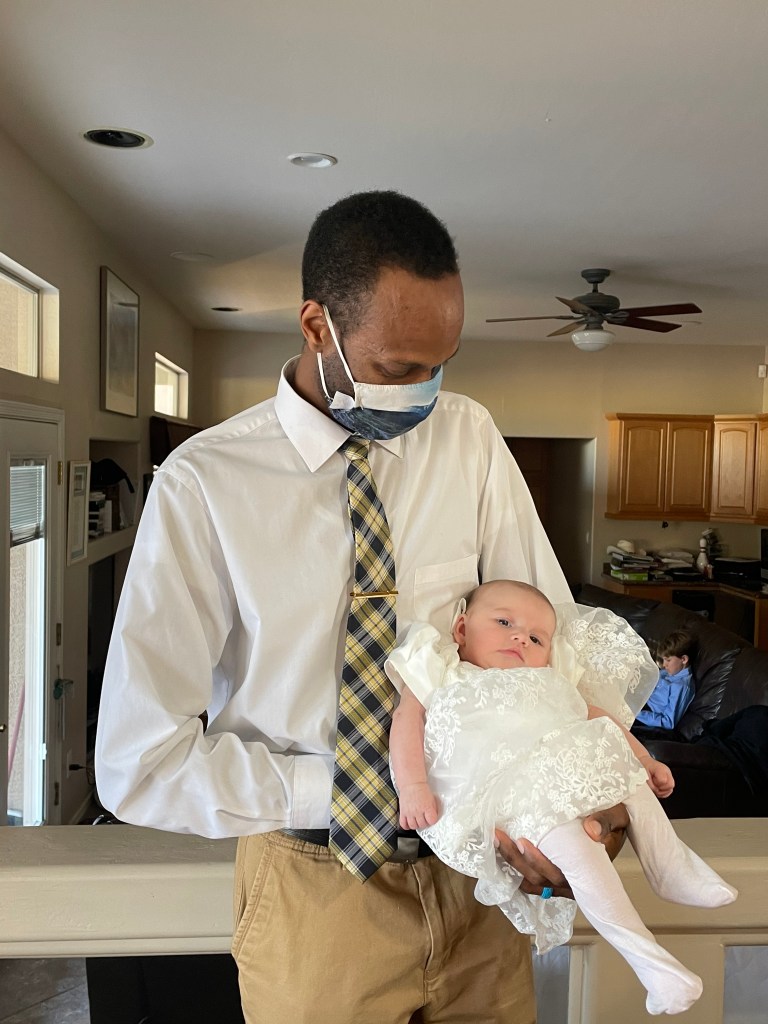
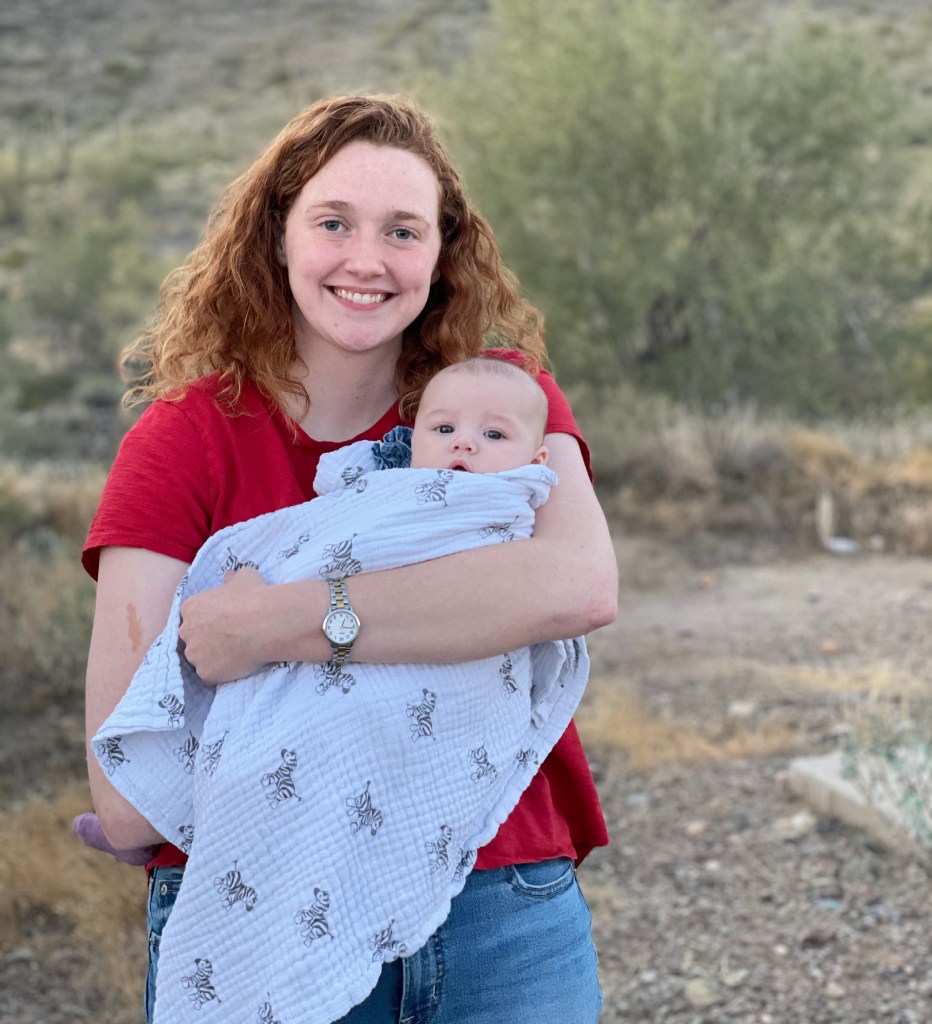
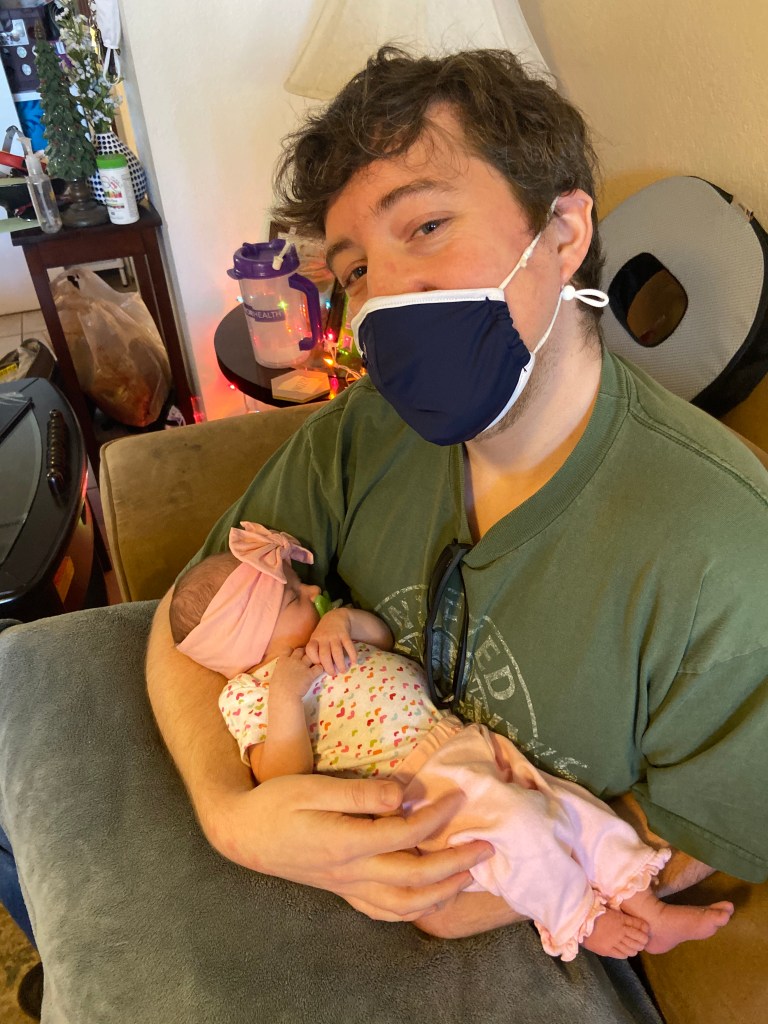
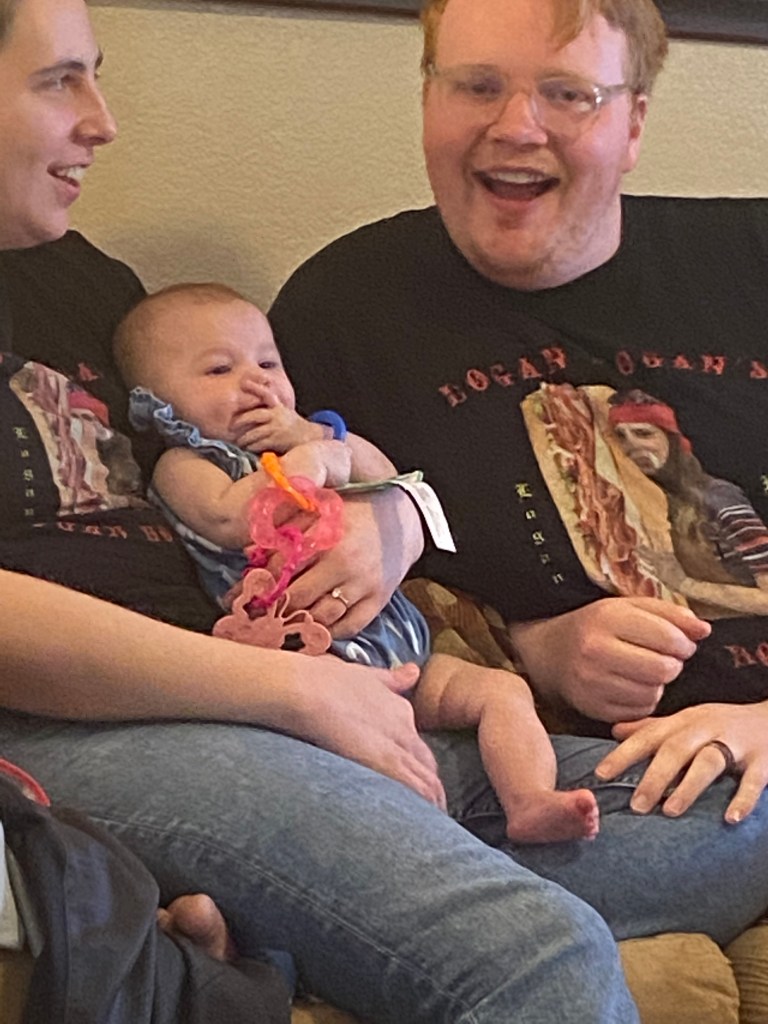
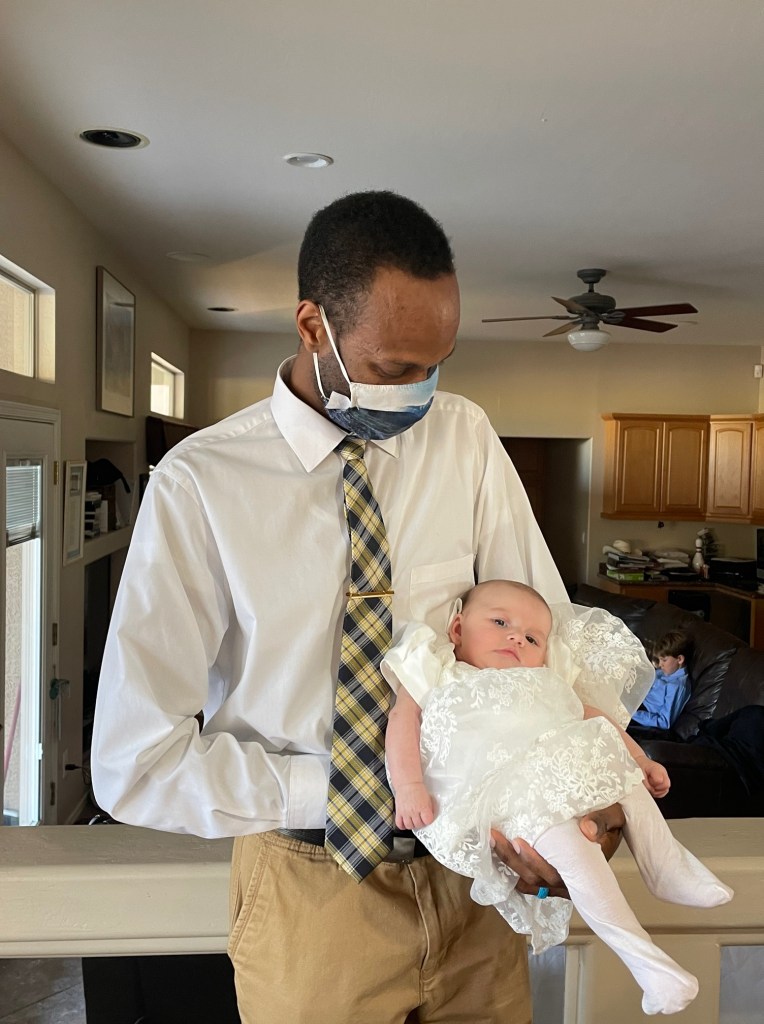
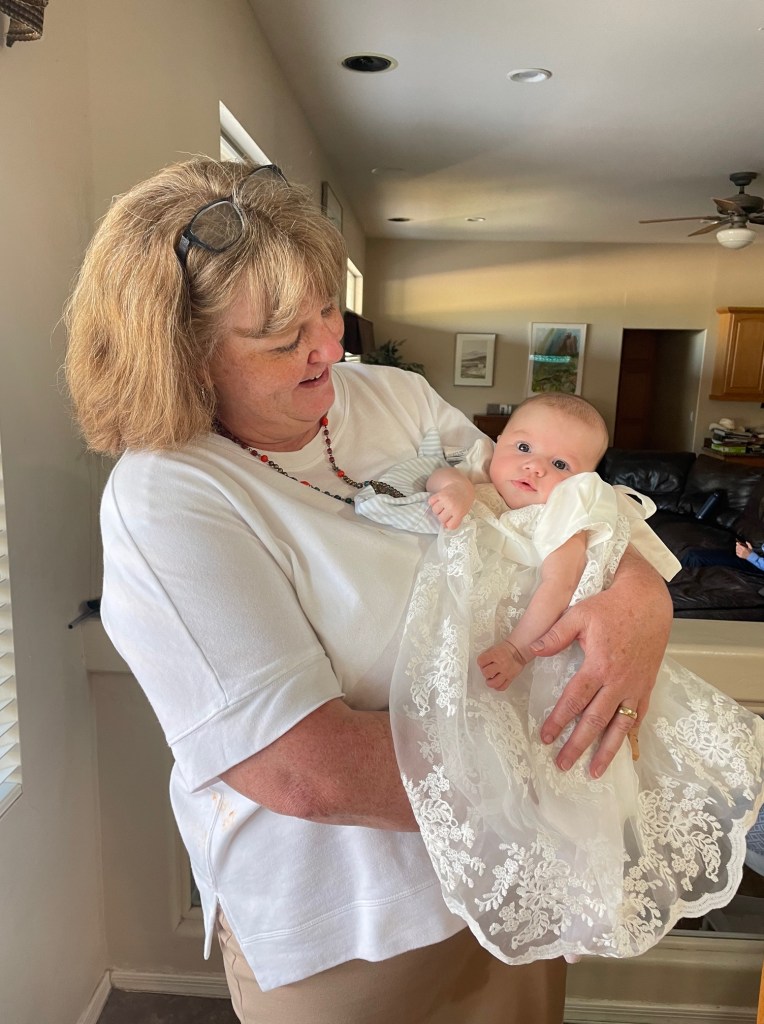
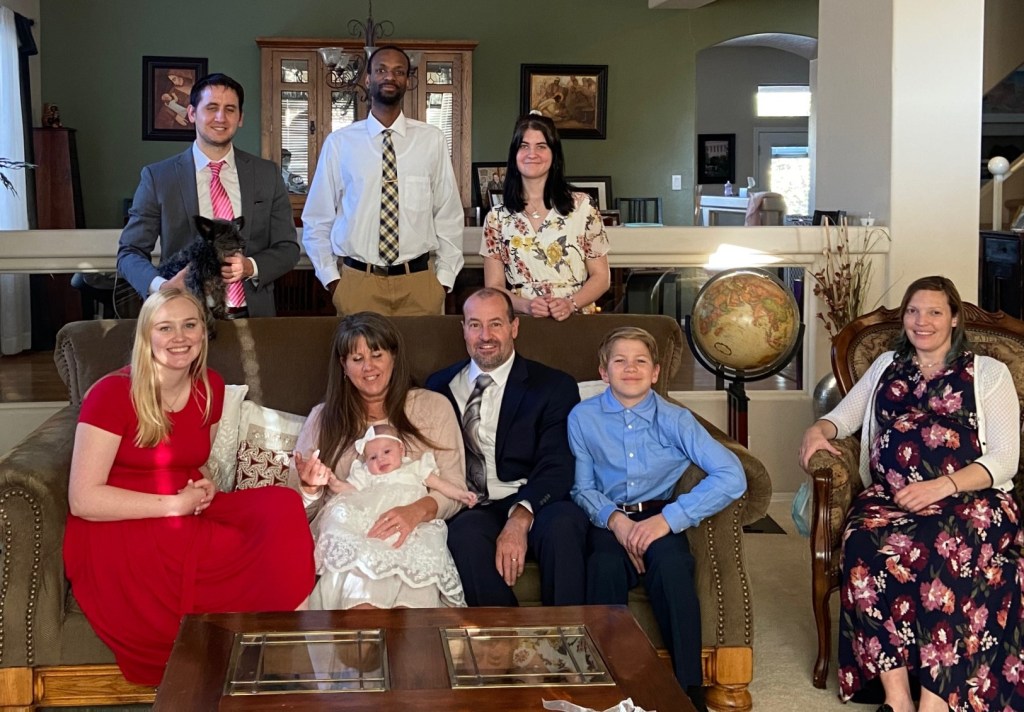
    Ivy is the first grandchild on both sides.  Ivy has 13 aunts and uncles.  She has two sets of grandparents who, while around her, make no qualms about her being the princess of the universe and most important thing to ever come to earth. As I watch her with family, I’m blown away by the amount of love.  She is loved so much.  Beth and I love her so much.  See The Greatest Moment of My Life Every Day for further evidence.

    I wonder how much this love positively impacts Ivy’s future.  How much does it impact the person she will become?

    As I watch her, something occurred to me recently.  I was surrounded by this same love growing up.  I wasn’t the first grandchild on either side, but I was surrounded by aunts, uncles, cousins, parents, and grandparents that loved and adored me.  Love was poured out upon me without measure as a baby.  Not only was I loved by those I could see, but I was made to know that God and so many I couldn’t see also loved and cared about me.

    While watching Ivy, it occurred to me how lucky and blessed I was to be surrounded by all that love.

    How much was I positively impacted by the love I was surrounded by?  How much did it shape who I am today?

    Not all children are given this great gift.

    It was a humbling thought.  It’s humbling to consider all that I’ve been given.  If I ever get prideful about any good qualities I may have, I can quickly look at all the attention, direction, and love I’ve been given in my life and realize there is nothing to be prideful of.  I have been afforded much.

    And to whom much is given, much is expected (Luke 12:48, D&C 82:3).

    This used to be a daunting scripture.  Now it is a great responsibility, and a great blessing.

    As I’ve gotten older, I have become more aware of how blessed I was to be raised with the light of the gospel of Jesus Christ in my life.  That is why I write this blog.  That is why I try to talk to friends, family, coworkers, etc. about the Book of Mormon.  That’s why I share my testimony of Jesus Christ.

    I am grateful for The Family A Proclamation to the World for what is teaches authoritatively and without reservation about the importance of the family unit.  My family unit has blessed my life in so many ways.  I wish every child could be loved like I was, like I still am, like Ivy is.

    God expects me to share the love I’ve been given.  Not in a prideful way, but with a humble recognition of how lucky I truly am.

    The two great commandments are to love and to love.  When you receive love, you must give love.  That’s what God asks from us.

  • Blessing Ivy

    Blessing Ivy

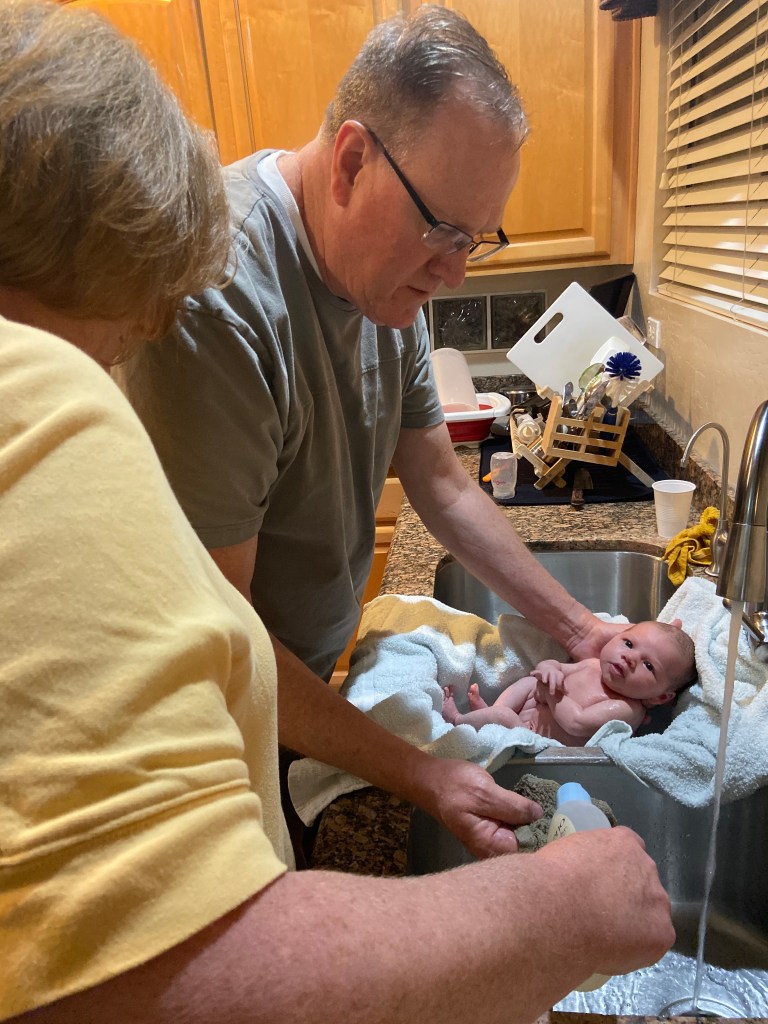
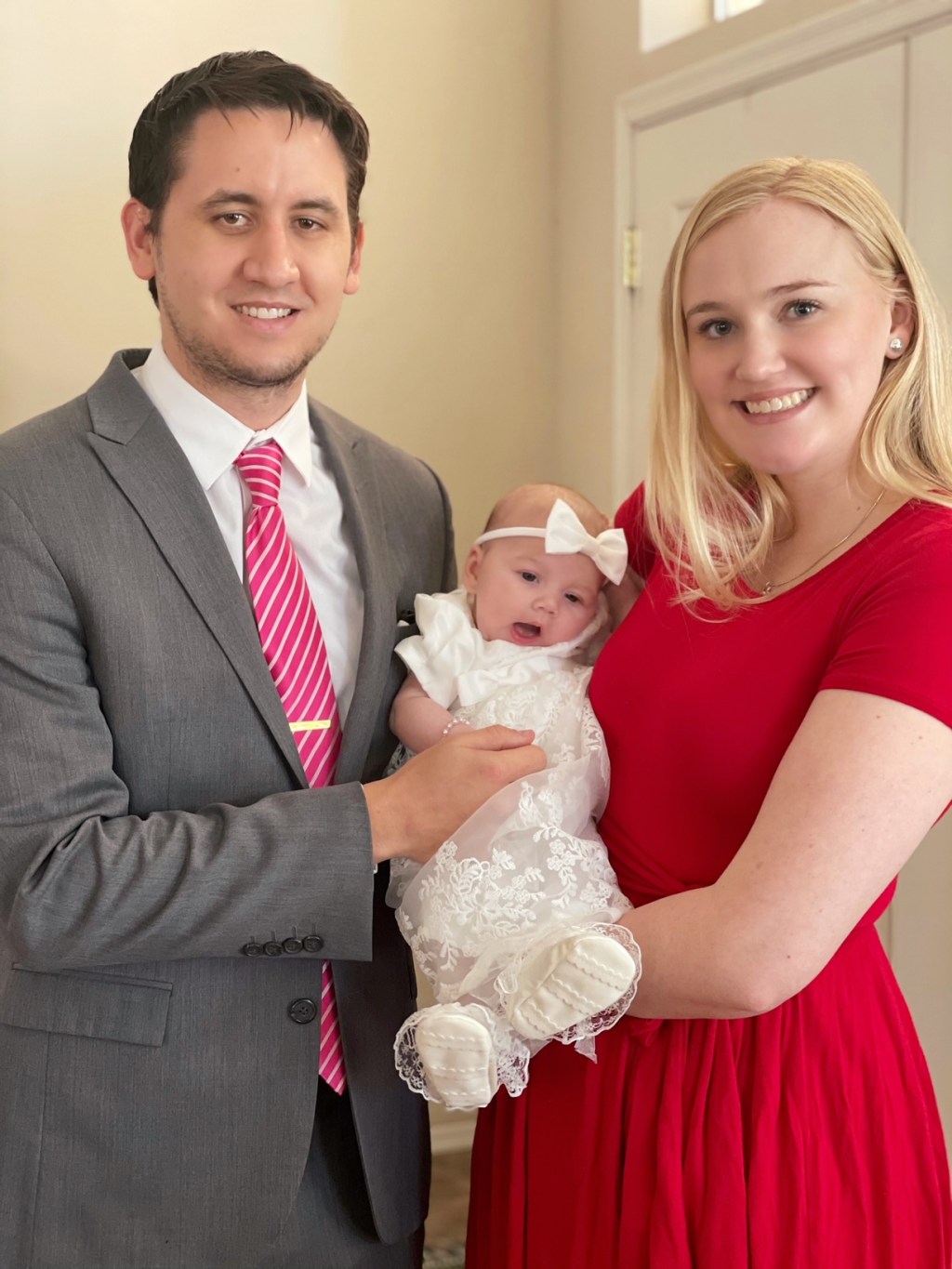
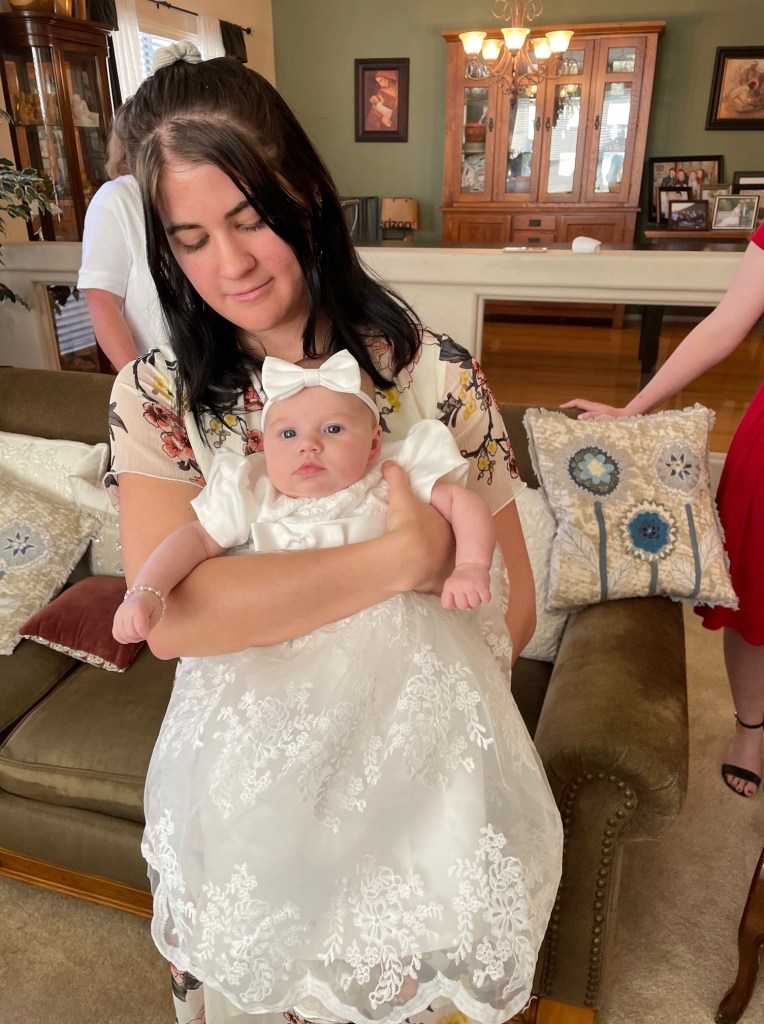
    I recently had the special opportunity to bless Ivy.  Leading up to the blessing, I did some research on the history of blessing children in the Church of Jesus Christ and its significance.  For Ivy’s blessing, Beth put together an event and a description of what a baby blessing is.  Here is that description:

    What is a baby blessing?

    In summary, the naming and blessing of children is a commandment of God. It is proper for a worthy father to name and bless his children. Blessing of children was done during the time of Christ, and it occurred in the early years of the restored Church. The ordinance has become a regular practice followed by Church members ever since.

    Who has the authority to bless a baby?

    A worthy priesthood holder under the direction of the local bishop. It is usually the father or a close family member.

    What is the priesthood?

    The word priesthood has two meanings. First, priesthood is the power and authority of God. It has always existed and will continue to exist without end. Through the priesthood, God created and governs the heavens and the earth. Through this power, He exalts His obedient children, bringing to pass “the immortality and eternal life of man.”

    Second, in mortality, priesthood is the power and authority that God gives to man to act in all things necessary for the salvation of God’s children. The blessings of the priesthood are available to all who receive the gospel.

    What is the format of a baby blessing?

    When blessing a baby, priesthood holders gather in a circle and place their hands under the baby. When blessing an older child, brethren place their hands lightly on the child’s head. The person who gives the blessing:

    1. Addresses Heavenly Father.

    2. States that the blessing is performed by the authority of the Melchizedek Priesthood.

    3. Gives the child a name.

    4. Gives words of blessing as the Spirit directs.

    5. Closes in the name of Jesus Christ.

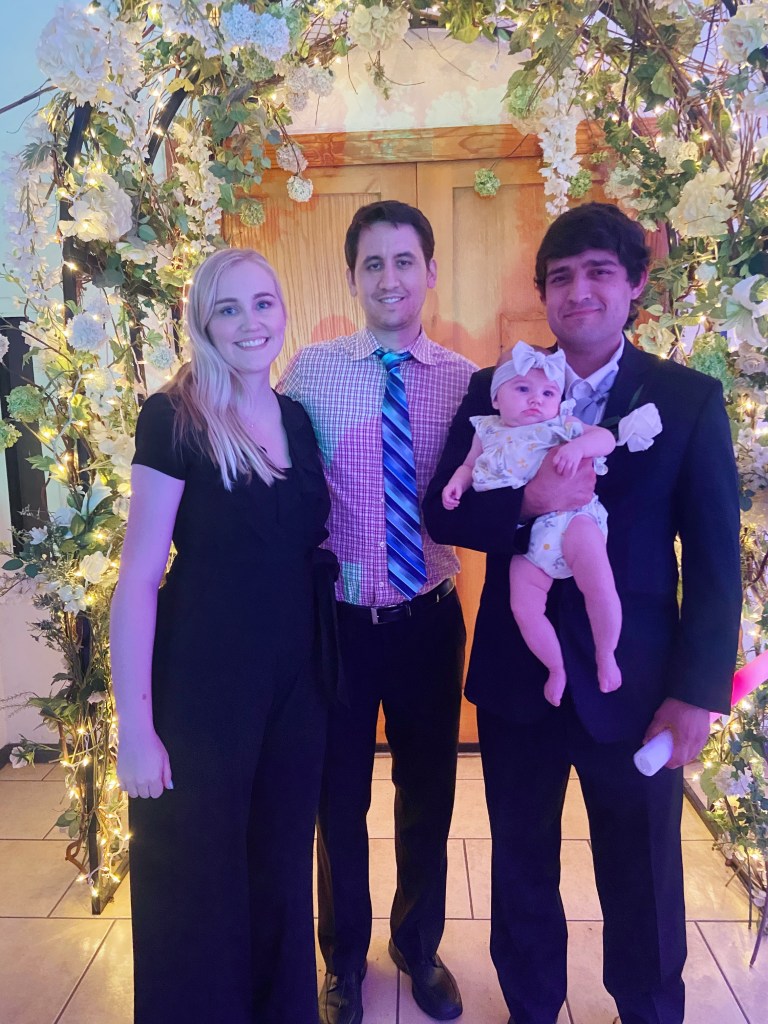
    Ivy and Aunt Cambria

    Reading up on the baby blessing beforehand taught me some interesting things about this sacred practice that I would like to share.

    The below points were taken from this link:

    https://www.churchofjesuschrist.org/study/ensign/1979/12/i-have-a-question/in-blessing-an-infant-should-both-the-naming-and-blessing-be-addressed-to-our-heavenly-father?lang=eng

    1. Unique to giving a blessing to an older child or adult, the naming and blessing of a child is directed to Heavenly Father like prayers are. 
      • This could be because the baby is too young to understand the words directed to him or her. 
    2. It appears that Melchizedek Priesthood holders are authorized to more than ask for a blessing but are able to pronounce a blessing upon the child directly, as the spirit directs.
      • See D&C 20:70
      • Sometimes inspiration (or confidence) to pronounce/give a blessing does not come.  In this case it is of course acceptable to ask Heavenly Father for these blessings.  I believe this is how I felt in giving Ivy her blessing.  It was enough to ask Heavenly Father to bless her with my requests.
    3. It is a commandment to name and bless infants.
      • See again D&C 20:70
      • It is important to remember the naming and blessing of children is not a saving ordinance.  It is still an important and sacred moment seen in heaven.
    4. “It is an awesome responsibility to be a priesthood agent of the Lord, to act in his behalf, and to approximate in one’s words and doings what the Lord would do if he were here.  A father, especially, who is to bless his child, has the delight and responsibility to prepare himself beforehand by pondering and by fasting and prayer, that he may be sensitive to the suggestions of the Spirit when giving the blessing.”
      • “How blessed we are to be able to present our little ones before the Lord, our families and the Church, and then consecrate them to the Lord.  How blessed we are to be able to name them, plead over, pray for, and, yes, to bless them directly and personally in harmony with our finest desires for them, by the authorization and wisdom of heaven.”

    The below points were taken from this link:

    https://www.churchofjesuschrist.org/study/ensign/1988/12/i-have-a-question/why-is-the-naming-and-blessing-of-a-child-important?lang=eng

    1. An interesting account from Joseph Smith on March 13, 1843 says, “Twenty-seven children were blessed, nineteen of whom I blessed myself, with great fervency.  Virtue went out of me, and my strength left me…”
      • “[The next day] Elder Jedediah M. Grant enquired of me the cause of my turning pale and losing strength last night while blessing children.  I told him that I saw that Lucifer would exert his influence to destroy the children that I was blessing, and I strove with all the faith and spirit that I had to seal upon them a blessing that would secure their lives upon the earth; and so much virtue went out of me into the children, that I became weak, from which I have not yet recovered; and I referred to the case of the woman touching the hem of the garment of Jesus. (Luke 8).” (History of the Church, 5:303.)
      • Elder John Taylor said the Savior’s example of blessing children “should be studiously complied with without hesitancy or objection” (by priesthood holders).
      • We see that Joseph Smith followed the example of the Savior who blessed children in both Israel and the American continent.  (Mark 10:14-16 and 3 Nephi 17).  What an amazing and marvelous thought:  our virtue can be passed to our children.  Our blessings are a force Satan must reckon with.  It makes me want to bless my daughter daily.  It also adds insight to a scripture that has always been a bit puzzling in Luke 8:46.  Virtue can literally leave us to help others.
    2. The new name:
      • A new name is often involved when a covenant relationship is formed.
      • When Adam and Eve were given dominion over the earth, Adam named all the animals (Genesis 2:19-20).
      • God blessed them and named Adam after giving him a body (Genesis 5:2).
      • When we get baptized we follow a similar pattern, taking upon us a new name, the name of Christ.
      • Temple covenants also involve the giving and receiving of names.
    3. The responsibility of blessing a child is bestowed, ideally, on he who helped create that child’s body, and who Heavenly Father entrusted His child with in mortality.
      • Joseph F. Smith – “The patriarchal order is of divine origin and will continue throughout time and eternity.  There is, then, a particular reason why men, women, and children should understand this order and authority in the households of the people of God and seek to make it what God intended it to be, a qualification and preparation for the highest exaltation of his children.  In the home, the presiding authority is always vested in the father, and in all home affairs and family matters there is no other authority paramount…This authority carries with it a responsibility, and a grave one, as well as its rights and privileges, and men cannot be too exemplary in their lives, nor fit themselves too carefully to live in harmony with this important and God-ordained rule of conduct in the family organization.”

    It is my experience that giving blessings is often the closest I ever feel to Heavenly Father.  I can feel him speaking through me and it is always a powerful, emotional, and memorable experience.  The opportunity to bless my daughter will be one of the greatest moments of my life.  I have immense gratitude to my Heavenly Father for entrusting Ivy into my care, allowing me to name her, and trusting me to watch over and protect her in this life and through eternity.