Tag: foundation

  • Letter to Grandpa Q

    Letter to Grandpa Q

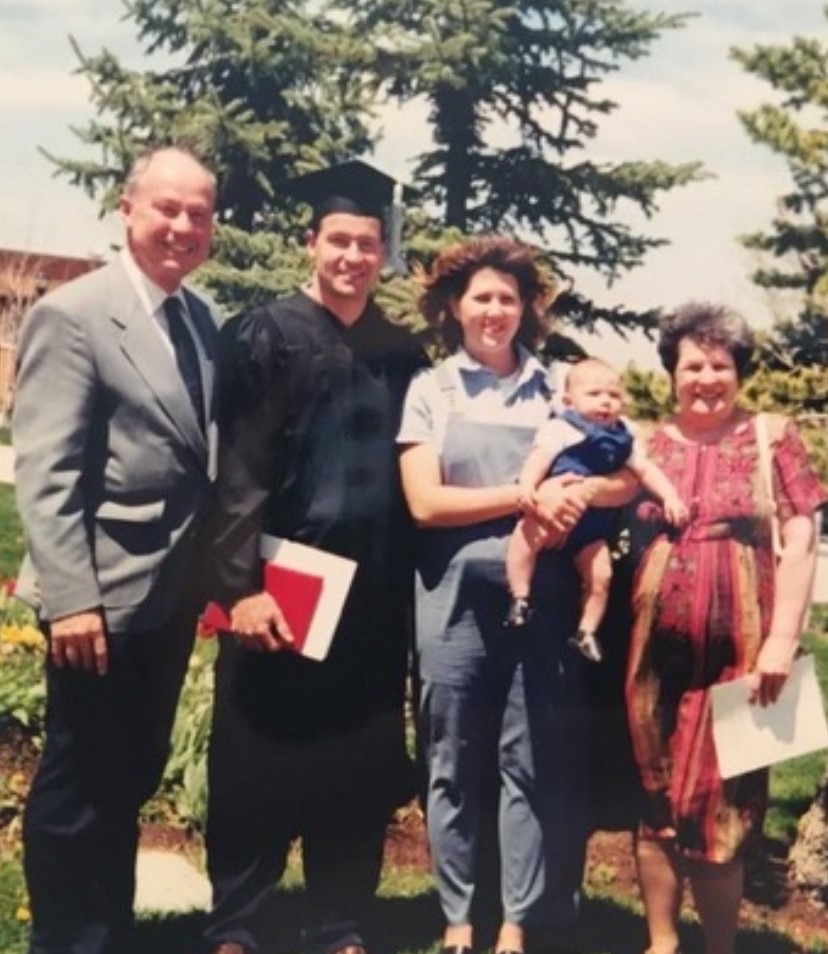
    My grandpa Stan recently turned 90 years old. For his birthday, all his children and grandchildren wrote him a letter. This is the letter I wrote to my grandpa.

    Grandpa,

    One of my earliest memories was my first and only trip to Grandaddy Lake. It was horrible. Keep in mind, I was maybe 4. It rained the whole time. It was so miserable. But I still remember it.

    I remember hiking back after the long week there. It was raining. I’m not sure it ever stopped raining. I was walking through mud, and I was crying. Everyone else was hiking with big backpacks for the trip. I had my little toy backpack on, and I was crying about it, about the hike, about the rain, about the mud, about my miserable existence.

    You got frustrated with me. It was the only time I recall seeing you frustrated/angry/mad. I cried more.

    My dad took my little backpack. I still have a memory of my dad shirtless, hiking in the rain. He was hiking now with his huge backpack on his back and my little backpack on his shoulder.

    I looked around at all my aunts, uncles, you, and my dad and realized no one else was complaining. Everyone was cold, wet, and frustrated, but no one was complaining.

    This core memory has stuck with me. I like to think it impacted me and in some minor, or possibly major ways, has shaped me.

    The Las Vegas Quackenbush clan (my family) has never been to Granddaddy Lake. We have our modern-day equivalent. We now go to the theme park Six Flags Magic Mountain multiple times a year. It is a requirement that any future in-law go through the gauntlet of a 12-hour day at Magic Mountain before they can even think about being accepted into the family.

    When Beth came to Six Flags with us for the first time, we were all so happy because there was a high heat warning. The lines were great! Meanwhile, we almost died. My roommate came with us to Six Flags once. He’s sworn to never return.

    I now have two daughters that I joke, tongue-in-cheek, about needing to remove as much Cannon from (Beth’s maiden name) and insert as much Quackenbush into as possible.

    This is the Grandaddy Lake mindset. More importantly, this is what it is to be a Quackenbush. I take pride in my name.

    I take pride in you.

    I take pride in our pioneer roots.

    I take pride in the foundation of faith I have been afforded.

    I take pride in what you and Grandma built, for me.

    I take pride in what you and Grandma built, for my family, for my daughters.

    I want to thank you for choosing an eternal companion of from among the devoted young women of The Kingdom. That is a line from my patriarchal blessing. I was able to choose an eternal companion who is an amazing mother, wife, and person because of you. I am able to raise my daughters with a confidence in things eternal because of you and Grandma. I am able to see the bigger picture, endure, have faith, progress, learn, grow, and get better, all with an understanding of who I am and where I come from, because of you and Grandma.

    I don’t know what I did to earn the position in the family I’ve been given, but I thank you.

    I look forward to one day having a life review. I hope to see some or all of your life review and Grandma’s life review. I look forward to one day seeing all the sacrifices endured and trials met head on by Grandma and yourself so that I could have the mortal experience I have been afforded. You and Grandma are a foundation. You created a foundation. In this life I’ll never fully understand all you went through and struggled with so I could have what I have. One day, I hope to understand. On that day, I will stand, and I will kneel, and I will thank my progenitors, you, for what you did for me. We all will.

    Thank you. We love you. We are grateful for you.

    With all the love you deserve, and I can give,

    Brayden

  • What’s in it for Me?

    What’s in it for Me?

    “Ask not what your country can do for you – ask what you can do for your country.”

    John F. Kennedy’s famous quote given in 1961. I think this has become a great weakness of humans today, and society as a whole. There are so few asking, “what can I do for you” and so many asking, “what’s in it for me?”

    There seems to be a great falling away from the Church of Jesus Christ of Latter-day Saints. There is a great falling away from religion in general. I think part of this falling away is based on this “me first” way of thinking. What does a church do for me?

    I believe there might be a plague in the Church of Jesus Christ of this way of thinking. We all know someone who has left the church for whatever reason. All the reasons aside, there’s often a statement included that the church wasn’t doing it for them anymore, the church wasn’t helping them, or they didn’t see the need of the church.

    I would say, ask not what your church can do for you, but what you can do for your church.

    Now, to be clear, the Church of Jesus Christ of Latter-day Saints is the greatest blessing in my life, both temporally and eternally. It saved me from the gutters of this life. It has provided me all that is wonderful and beautiful about life. It has provided me a stable family that loves me. It has provided me a wife and daughters who I love. It has provided me a foundation to hold to in a world that tosses us all around. More than all these blessings here, it has also blessed me eternally with a perspective on why I’m here, where I’m going, and what’s truly important. It has provided me light. It has provided me hope. It has provided me love. It has provided me everything. 

    I say again: the Church of Jesus Christ of Latter-day Saints which is how I know of the Gospel of Jesus Christ and Christ’s love for me is the greatest blessing in my life. Both here and for forever. 

    That said.

    The Church (and gospel) of Jesus Christ is not here on the earth for what it can do for me. It is here for me to learn what I can do for others. The Church of Jesus Christ is not here because of what it can do for you. It’s here to help you learn what you can do for others. The Church is a vehicle by which you can learn to be like Jesus Christ. I wrote about this in my post Do We Really want to be like Jesus.

    I think when we truly understand this, the world changes. It’s no longer, “what do I get out of this?” It becomes “what can I do to help someone else get something out of this?” This is what it’s all about. Love. Fellowship. Support. That’s why the Church is here. Not to bless your life. So you can bless lives.

    I’ll conclude with one last question, I hope you will truly ponder: did Jesus ever ask, “what’s in it for me?”

  • Leedy Wedding

    Leedy Wedding

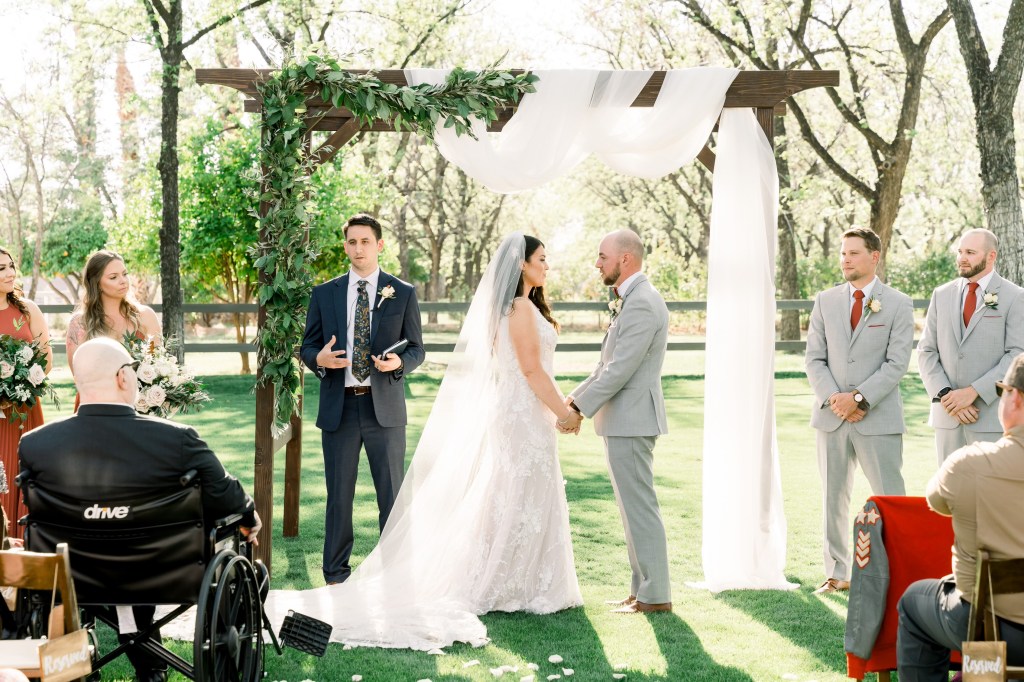
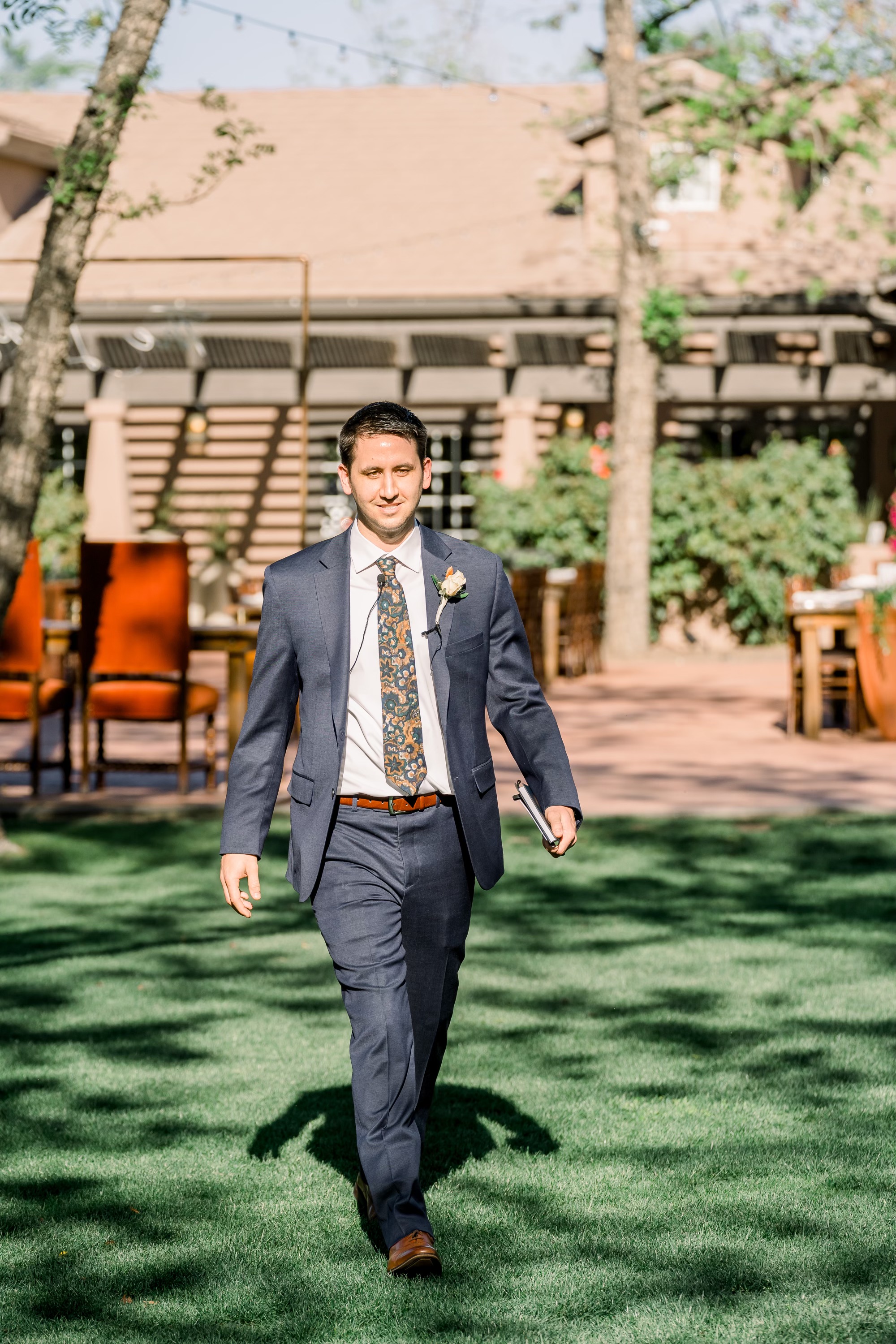
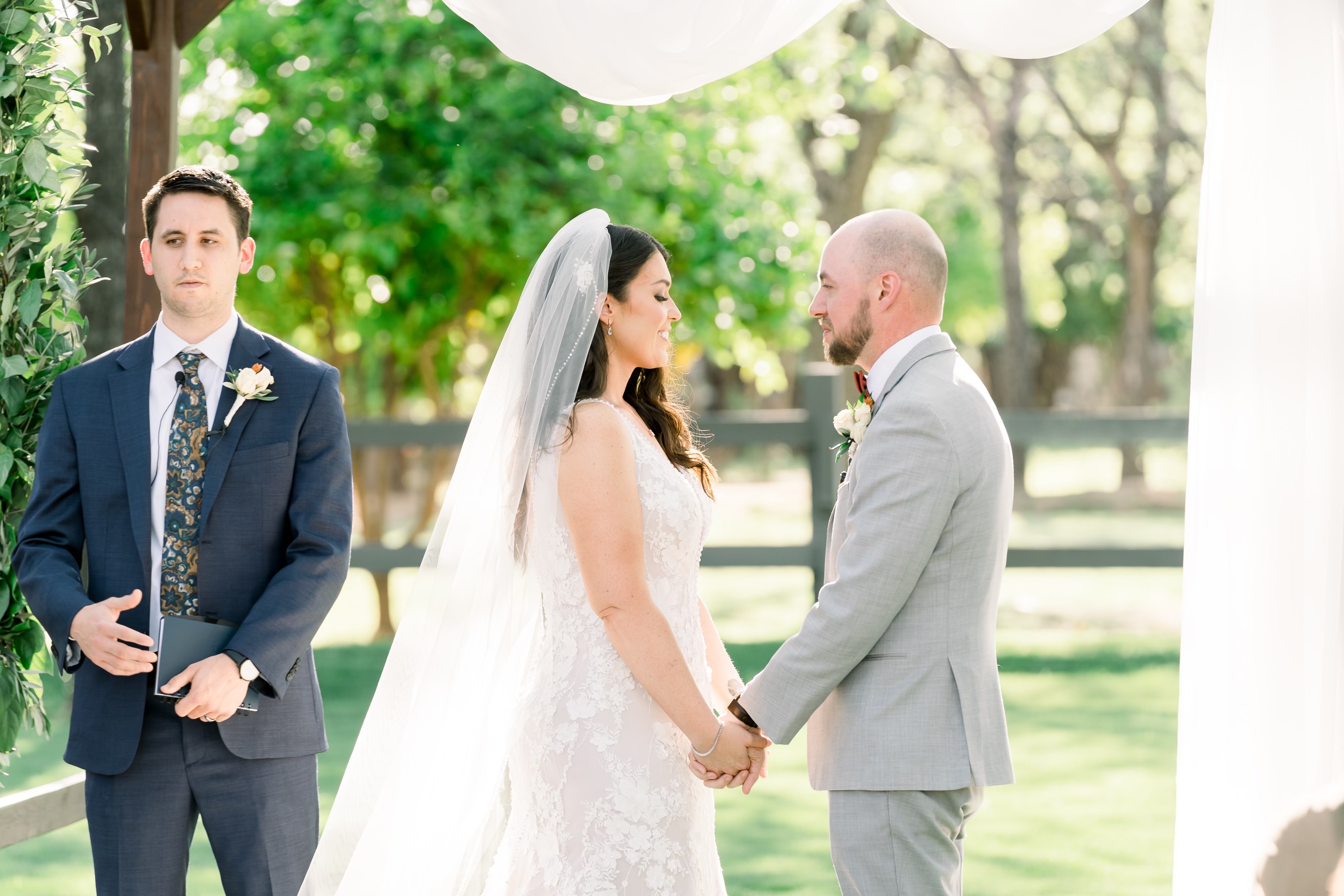
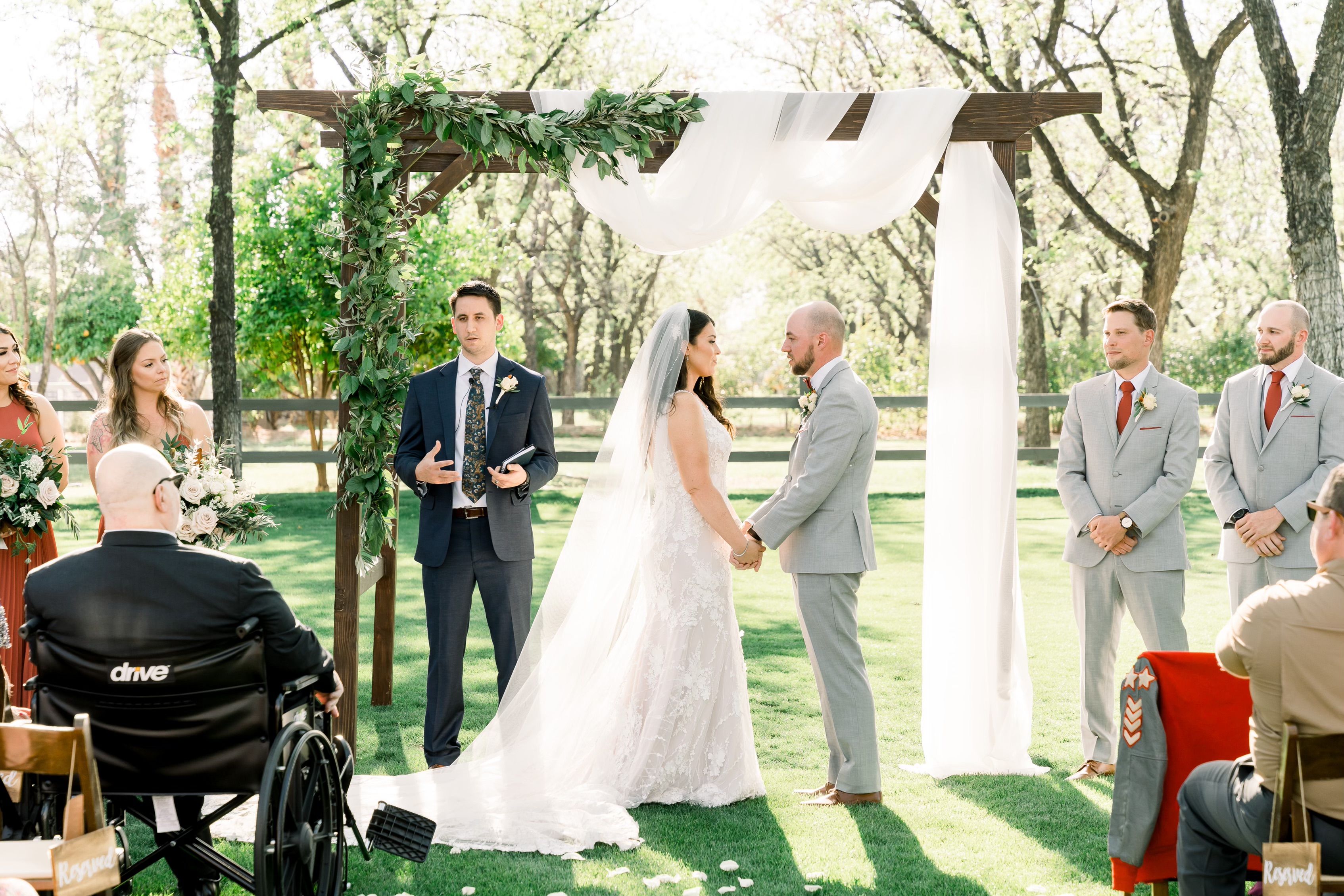
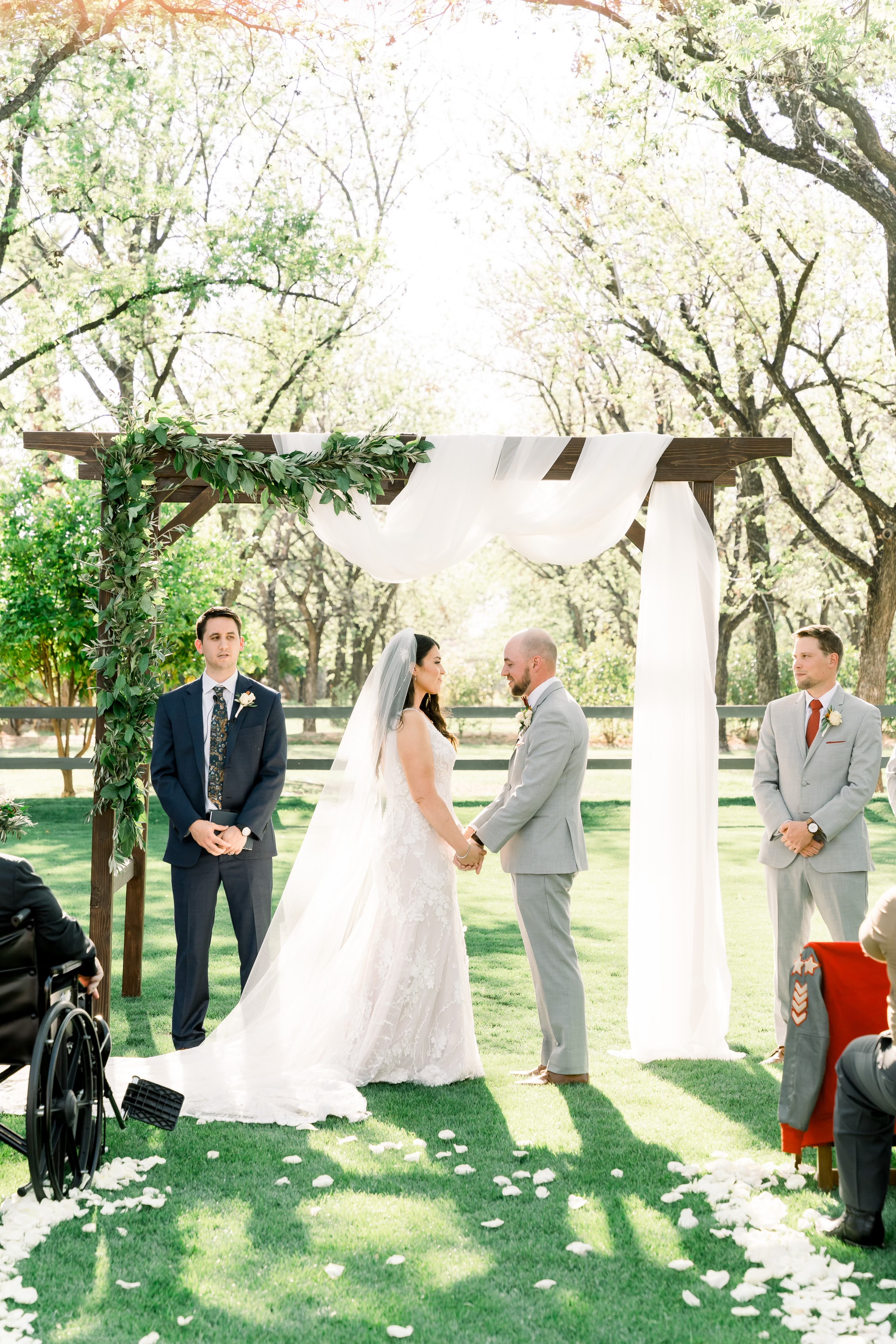
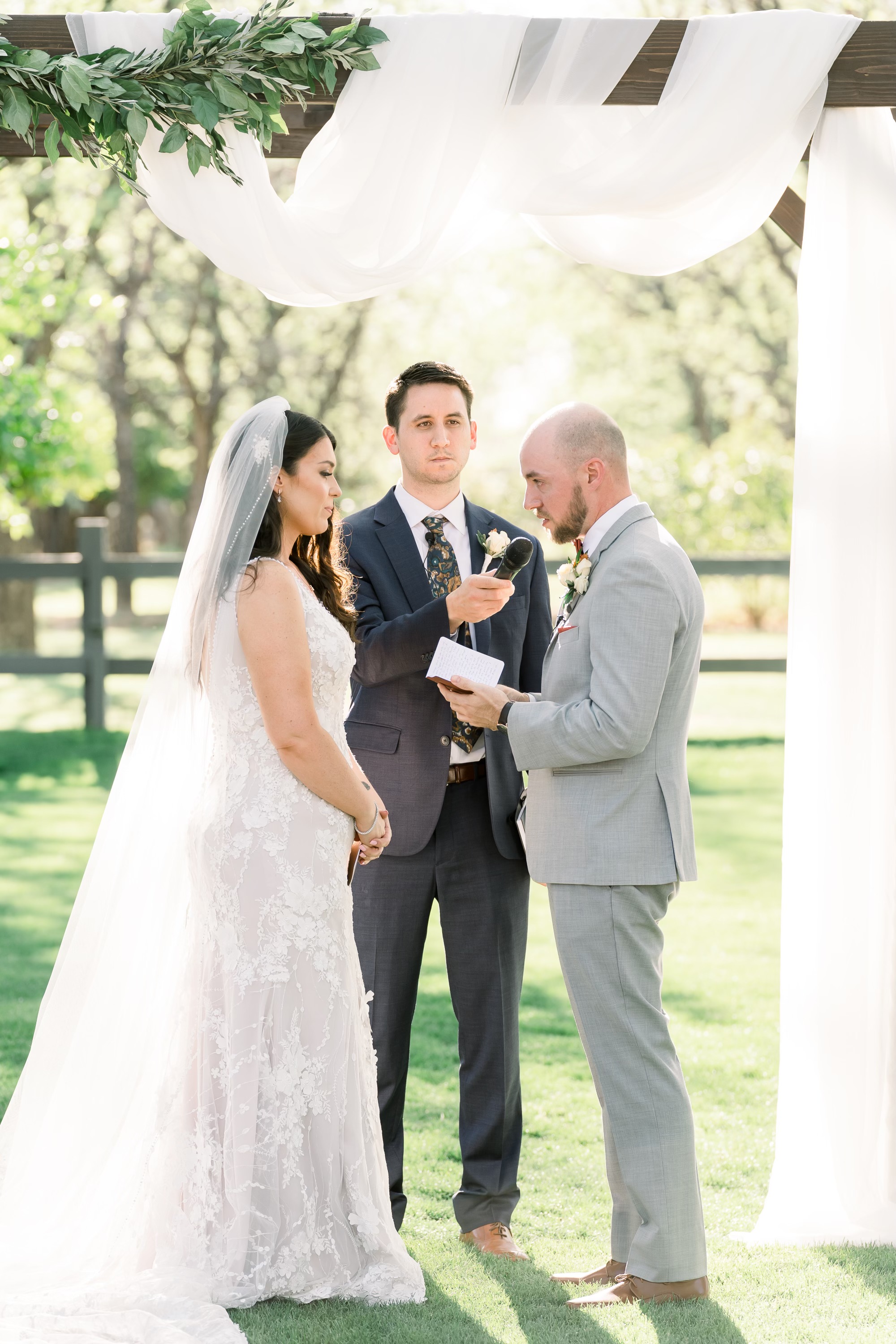
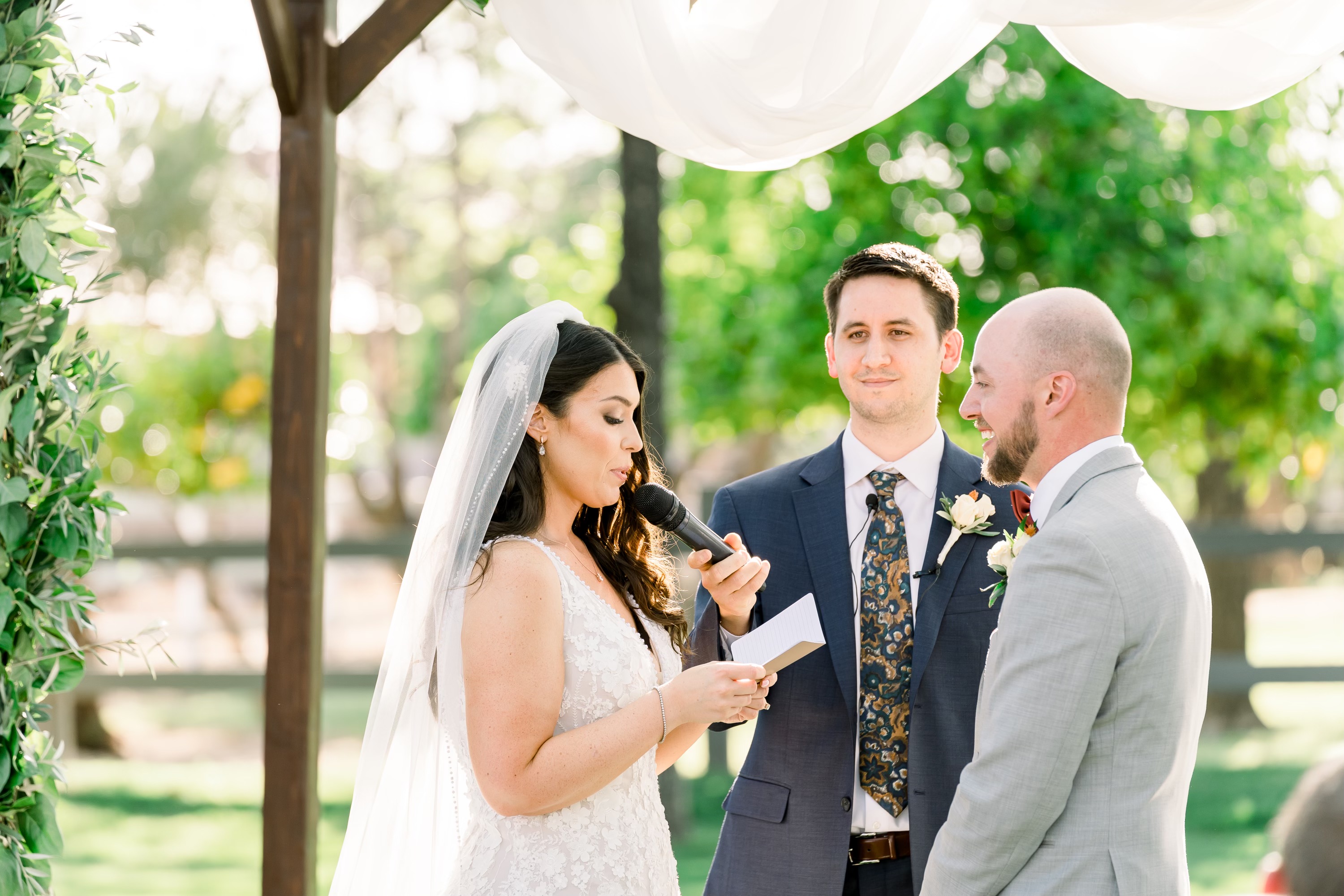
    I wrote this at the hotel, a couple hours before officiating Matt Leedy and Sam Simpson’s wedding.

    It was such an honor being asked to do this.  For me, it’s a bit symbolic of how far I’ve come and transitioned from what I used to be.  When did I become the religious friend trusted to officiate a wedding?  I did this for my sister, but this will be the first real wedding I officiate.  My sister’s was more of a ring ceremony after their sealing in the temple.

    It is pretty cool to change to the point that people trust and ask you to play a part in what is one of the most sacred things. 

    At their wedding, before marrying them, I shared a three-minute thought.  In the moment, I didn’t use notes but rehearsed from memory.  But here is roughly what I shared at Matt and Sam’s wedding:

    “Matt and Sam, look out over all the faces here.  Take a moment, hold to this moment, remember this moment.  All these people are here to celebrate you, because they love you. 

    Something extra special is happening here today, though.  Nobody is here to celebrate you, Matt, or just you, Sam.  Some in the audience may even think they’re here for just one or the other, but that’s really not the case.  Every person here is to celebrate YOU, a unit, a new powerful team, one.  That is what makes this day so special.  Two people becoming one.

    On a day like today, we marvel at all the blessings we’ve been given.

    Remember who you just looked over.  Parents, grandparents, loved ones.  How blessed we are.  On a day like today, we also remember the ones we miss.  A grandma, a father, with a seat reserved.  It feels like yesterday that some loved ones had to leave us.  I think it feels like yesterday because something deep within us knows those loved ones never left us.

    I’m a firm believer in angels.  I’m a believer in angels that wouldn’t miss this day for the world.  So as you look out over those that you can see, I believe, there are some, many even, that are present that you can’t see.  Those loved ones that wouldn’t miss this.

    Matt’s father, Don, left us unexpectedly 18 months ago.  At that time, I got to witness something amazing happen.  I saw Sam love Matt.  I saw Sam protect Matt.  I saw Sam uplift Matt.  I saw Sam support Matt in the most difficult time in his life.  When life is the hardest, we find our foundations.  And when we find our foundation, or someone that does those things for us, it becomes our duty to love, support, uplift, and protect that person for the rest of our life.

    So, Matt, Sam, I encourage you to remember that the greatest challenges in life can result in the greatest blessings.  And with each other, as a unit, loving and supporting one another, you can get through anything this life tries to throw at you.

    We love you.  And we celebrate this day with you.”

    How grateful I am to have gotten to be a part of Matt and Sam’s day. 

    How grateful I am to feel worthy, and clean, to stand before God and a group of Matt and Sam’s loved ones and get to do that for them.

    How grateful I am for a Savior that allows me to be clean and feel worthy of that moment. 

    Thank you to Matt and Sam for trusting me and allowing me to be a part of something so important.

    We love you.

  • Lectures on Faith – Lecture 2: The Object of Faith

    Lectures on Faith – Lecture 2: The Object of Faith

    A main theme throughout the Lectures on Faith is God’s perfect attributes.  Logically, for us to be able to have any faith in God He must be perfect.  We must know that we can trust God and, in turn, His Son, Jesus Christ. 

    The major theme I took away from Lecture 2 specifically is how we have attained faith throughout history.  Lecture 2 presents the profound idea that our faith in God is always dependent, or comes initially, from the faith of another.  Consider this, if no one in your life ever mentioned any sort of higher being, any sort of God, any sort of creator, would you come up with the thought on your own?  You think about God because He is someone we have been taught about since Adam.

    Even if your parents aren’t the ones who teach you about God, you learn about God from someone.  I would venture to say that in the world today every single person on the face of it has heard of the concept of a supreme being.  Why is this?  Where does our innate belief/consideration of God come from?

    Lecture 2 points out that there was an unbroken chain of testimony that started from Adam and was handed down through Abraham.  If you read Genesis carefully and do the math you will see that ancient prophets handed the knowledge of God down for generations.  It continues today.

    Adam knew God in the Garden of Eden.  When he left the Garden Adam still knew God.  We know Adam’s sons knew God.  Abel provided sacrifices to God.  Cain spoke to God even after murdering his brother.  This shows us that God spoke to men even after the fall and continued to speak to them as they continued to fall into transgression.  There is something significant here that I’d never considered.  Abel first got his knowledge of God from his father, Adam, as did Cain.  After they were told about God by Adam, then they had to develop their own faith in God.  They had to learn, trust, and depend on Him, or not. 

    The important thing to remember from this: we all start our faith by leaning on the faith of another.  We possess dependent faith.  This leads to another profound truth: God possesses independent faith.  God’s faith is not reliant on any outside source.  As discussed in lecture one, God’s faith is perfect.

    I’ve been studying the lectures alongside a video series that I will link at the bottom.  There were many amazing thoughts and ideas presented in that video, related to this second Lecture on Faith.

    Faith is faith until it happens, then it is knowledge. Since God has perfect faith, He doesn’t need to wait for something to happen for Him to know it.  He knows it is going to happen.  His faith is perfect therefore His knowledge is perfect.  It’s simple when you think about it in these terms, but it’s so critical.  It’s why we can have perfect faith in Him, BECAUSE we know His faith is perfect.

    IMPORTANT:  God is not still progressing.  This is important for us to understand.  God is not still learning.  If He was, we couldn’t have perfect faith in Him.

    God is Perfect - Ottawa Church of Christ

    This leads to a question: isn’t life boring for God if He has mastered everything?

    In the video they gave an awesome analogy.  Imagine you’re an accountant.  You master every aspect of accounting there is.  You have a perfect knowledge and ability in accounting.  Would you get bored with accounting?  Probably.  So, what would you then do?  You would teach others how to also master accounting.  God is the master accountant.  He has attained all knowledge on life, faith, eternity, creation – so what does He do?  He teaches us.  What a thought!  We are being tutored by the God of the universe.  That’s what makes this life so important.  When we consider that we are learning and being personally groomed by God Himself, what power it adds to our existence here!

    This leads to another important thought.  What was Christ’s ultimate message while here?  I think it would be service.  Love through service.  Give through service.  Charity.  Without charity you are nothing (1 Corinthians 13:2, Moroni 7:44)  Why did Christ teach this ever-important principle?  Because His Father, our Father, God is the ultimate server.  He is doing everything He does to teach us.  We truly are “His work and His glory” (Moses 1:39).

    I want to conclude with two last realizations: 

    1. The scriptures help develop our faith by teaching us of God.  This is important.
    2. Faith comes by hearing the word of God through the testimony of the servants of God, that testimony is always attended by the spirit.

    You aren’t told to have a testimony.  You’re not made to know Jesus is the Christ.  These are things you must come to a knowledge of through the spirit.  Think about it.  Christ, in His whole ministry, never told anyone He was the Son of God.  He always let them come to that conclusion on their own.  One example is Peter who He told, “blessed art thou for flesh and blood hath not revealed it unto thee, but my Father which is in heaven” (Matthew 16:17).   Another example is Christ to the woman at the well (John 4).  Christ didn’t go telling people who He was.  It had to be revealed by the spirit.  This is why signs come by faith, and not the other way around (D&C 63:7-12).

    Our hearts must be open for us to receive the testimony of Jesus Christ.  2 Nephi 33:1 “When a man speaketh by the power of the Holy Ghost the power of the Holy Ghost carrieth it UNTO the hearts of the children of men.”  Not INTO but UNTO.  It’s then on the heart of the individual to accept or reject the testimony.  The system is in place.  The system has been in place for God’s children to develop faith in Him from the beginning.  Once the testimony is carried to the heart It’s then on the agency of the individual to receive or reject that testimony. 

    God has perfect faith.  We are here to develop our faith so that we can be like Him.  He is the great accountant, and we are his protégés.  It is His hope, His glory that we can become like Him.  As we develop our faith here it will benefit us for the rest of eternity.  I know I say it a lot, but, what a thought.

    Video 3 (Lecture on Faith 2):  https://www.youtube.com/watch?v=F-o59d9ioGA&list=PLc5yYrpPFm2umksQf3jgULxoV4YIXTd2h&index=3

    Lecture on Faith 2: http://lecturesonfaith.com/2/

  • Listen, Learn, Love

    Listen, Learn, Love

    I recently listened to an episode from a podcast called Listen, Learn Love.  This podcast has opened up my ways of thinking on a few topics.  The episode I listened to recently I basically want to summarize (steal) because the points made are so simple, so well-said, and so true. 

    Here is a link to the website for the podcast if you want to learn more: https://www.listenlearnandlove.org/

    The episode I recently listened to that I’m writing thoughts on here is episode 2 and can be found if you search for podcast “Listen, Learn, and Love.”

    The podcast is hosted by Richard Ostler.  He is a former Young Single Adult Ward Bishop.  He has now done 334 episodes of his podcast which “was created out of the desire to better understand our LGBTQ+ brothers and sisters.  We believe in God and in His decree to love one another.” – from the mission statement on the website. 

    Episode 2 does not focus on the LGBTQ+ topic which I feel is an extremely important topic in the church.  Still, this episode is also important and I learned a lot from it.

    The topic was faith-crisis.  Whether minor or major, any faith crisis is difficult to go through.  When I was returning to church my uncle said something that has stuck with me.  He said he wouldn’t wish the losing of faith on his worst enemy.  You can lose cars, homes, family, money, everything in this world, but losing your faith is the hardest thing that a person can possibly go through.

    As I continue to write I will be presenting many ideas that came directly from Brother Ostler.  Please listen to the episode.  For ease of writing, I won’t reference Brother Ostler in everything I’ll continue to say. Just know most of these thoughts came directly from him, and I hope to re-state them without taking too much away from them.

    In my writing, I often refer to “The Church.” When I say this I am referring to the Church of Jesus Christ of Latter-day Saints.  Something I’d never considered is how important it is to clarify what we mean when we say, “The Church.” The Latter-day Saint Church could mean different things to different people.

    A couple categories for “The Church” are

    1. The Gospel of Jesus Christ.
      • This was described beautifully by Brother Ostler as a pristine, clear-watered pool.  No murkiness.  The Gospel of Jesus Christ is perfect in every way. This hasn’t been completely revealed yet.
    2. The restored Church of Jesus Christ.
      • It has the restored priesthood and priesthood keys. Ideally, this would be perfect.  I think we sometimes confuse this category with the next category I’ll mention.  The restored Church of Jesus Christ should be perfect.  The problem is, as we know, Christ must use fallible men and women to run His church.
    3. The institutional church.
      • This is where we get into a flawed organization. The institutional church has many people, programs, and policies that are meant to implement the Gospel of Jesus Christ.  The institutional church is run by men and women and therefore has flaws.  Christ guides the institutional church, but people make mistakes. Brother Ostler points out in the podcast that as a YSA Bishop he was a part of the institutional church and he knew he made mistakes as a Bishop, a leader in the church.

    Much of the hurt that comes into the souls of God’s children is caused by the institutional church.  It is critical to not confuse “The Church” the institution with the pure and perfect Gospel of Jesus Christ.

    A faith crisis is a serious event that can happen to anybody. You can’t always read and pray a faith crisis away.  We are here to develop faith and while here our faith will be tested.  Sometimes to the very brink.  It’s important to get our roots in the correct place.  Is your faith in a bishop?  It shouldn’t be, it should be in Jesus Christ.  The best bishop in the world can let you down.  Jesus Christ can not.

    The fourth article of faith: “We believe that the first principles and ordinances of the gospel are: FIRST, faith in the Lord Jesus Christ. 

    The Articles of Faith can be read here.  I invite everyone to read and focus on the first four articles of faith in the Restored Church of Jesus Christ.  You’ll notice not only is Jesus Christ’s name in the name of the Church, but that He is referenced three times in the first four articles. 

    Our foundation must be on Christ.

    Brother Ostler talked about the Policy Statement of 2015 and how it created a “mini faith crisis” for him.  These were changes made by the institutional church and have since been reversed.  He talked about how difficult that was for him, personally.  He is not the first person I’ve heard that was impacted in a sad, difficult way by those changes.  He emphasized that the brethren (leaders of the church) were doing their best.  Brother Ostler referred to dominoes, and how the policy statements started to make dominoes fall in his faith.  What saved Brother Ostler’s faith was that all his dominoes didn’t fall.  As he stated so perfectly, some of his dominoes had roots to the center of the earth and couldn’t be shaken.  He referenced Jesus Christ, priesthood blessings, and temples as the foundation of his faith.

    The 2015 Policy Statement is a good example of what separates the institutional church from the Gospel of Jesus Christ. The institutional church can and does make mistakes. Jesus Christ does not reverse. Jesus Christ does not change.

    We must change the way we discuss faith crises.  There are too many people who leave the church because they don’t feel heard.  The idea that you can read or pray away a faith crisis is inaccurate and often leads individuals to feel like the “Church” is avoiding their concerns.  We have to listen, as the Savior did, to those with concerns.  Ask questions.  Having a faith crisis does not mean someone is sinning.  It can mean that, but it doesn’t always.  Brother Ostler is a perfect example.  His self-described “mini faith crisis” came while he was a YSA bishop spending dozens of hours each week in service to others.  He was reading, praying, and serving as much as anyone could at that time.  Imagine telling a bishop he needs to pray more, or read more, or do more to fix your problem.  One could rightfully be turned off by this suggestion.

    We must stop considering a faith crisis as a dirty topic that we must avoid.  Thousands are having one at this moment.  Those with unshaken faith must support and lift those who have a hard time. We must address questions head on and strengthen our faith together. We must strengthen each other. We are family. The Gospel of Jesus Christ is meant for everyone. 

    Now I’d like to share some of my personal story.  I returned to church in 2016.  I narrowly missed being an active member of the church when the policy statements came out.  I know this was a hard time for the church.  I know many people left.  I know many people, like Brother Ostler, were shaken by the announcement. 

    I’ve often thought about my faith.  I feel fortunate and blessed to have never experienced a personal faith crisis.  Even in my time away from the church, I never doubted that Jesus Christ died for me.  I never doubted Joseph Smith was a prophet.  I never doubted the restored Church of Jesus Christ.  I never doubted the Church of Jesus Christ of Latter-day Saints.  While I was living completely opposite to some of the teachings the church, I still knew it was true.  I know I caused many head scratches from those who witnessed my verbal devotion while clearly ignoring all the precepts of the church.

    I said my faith has always been a blessing to me.  I believe it has.  When I was living opposite to the principles of the gospel it felt like a curse.  I’m sure I will need to answer for that one day.  If I knew it so much to be true, I believe I’ll be more accountable for my behavior.  Maybe that’s what gives me so much faith in Jesus Christ.  I know how important His Atonement is to me personally.  I have too many spots on my garments.  Without Him I am a damned soul. 

    Maybe that’s difficult for others who have never grievously sinned.  It’s easy to appreciate a lifeboat when you’re sinking in the ocean.  What if you’re safe on shore, do you still have the same appreciation for the lifeboat?  I’m not implying those who have lived just, kind, good lives start to finish are in anyway unappreciative of the sacrifice Jesus Christ made for them.  I’m truly amazed by those I see that have been faithful and true for all of their mortal journey.  I can only speak for myself.  I was not true for all of my journey and it makes me worship and love my Savior so intensely. 

    I wonder what would have happened if I was in church in 2015.  Would I have struggled?  Would I have left?

    I don’t know the answer to many questions.

    A book I read recently repeated the idea that we (humanity) know so much; space travel, geography, math, science.  Ask someone to give some thoughts about nature or history and everyone can provide some insight.  Ask someone to provide some thoughts about who they are, and they will struggle.  We often know and understand ourselves least of all the things in the world. I take comfort in knowing there are two individuals who know me infinitely better than I currently know myself.

    I want to give advice to anyone currently in a faith crisis.  Fight.  Don’t lose your faith.  Please.  It’s the most valuable thing on this earth.  You can lose your family, money, cars, your home, and you can lose your faith.  I hope we all fight for our faith.  Focus your faith on what is most important.  All your questions – ask them.  Doubt.  Wonder.  Have concern.  Voice your concerns.  But don’t forget where faith should lie.  Jesus Christ is the only name whereby men can be saved (Acts 4:12).

    Sometimes people will hurt, disappoint, or let you down. Sometimes those people may be leaders you trust. We all hurt and disappoint people we love. We must hope that we will receive mercy for the hurt we cause, and therefore should show mercy to those who hurt us. The great giver of all mercy is Jesus Christ. He loves each of us. He wants each of us to do whatever we can to come closer to Him. Stay close to Him and He will never let you down.

    Find those experiences in your memory that remind you that Jesus Christ guides His church.  Read the Book of Mormon and ask yourself if it could be false.  Then ask yourself, if it is false, how can it so perfectly testify of Jesus Christ?

    Find your foundation in sure things.  The pure faith in Christ.  Then fight for that faith.  We hope the Church of Jesus Christ of Latter-day Saints can be a faith building organization for all.  We hope that the covenants we make can strengthen our faith and the faith of those around us.  But at all costs, do not mix the pure, perfect, pristine waters of the Gospel of Jesus Christ with the sometimes-murky institution run by us here on earth.