Category: Uncategorized

  • Share Your Light

    Share Your Light

    In Teaching in Heaven I talked about the struggle of sharing the gospel with friends and loved ones who have such a different starting point in religious background and understanding from what I have. I talked about how this can be frustrating at times. This is a follow up to that post. This is more a reminder for myself than anything.

    When I was Ward Mission Leader, I worked with a missionary who once said, “Be disappointed, but don’t get discouraged.” This is a saying I’ve tried to remember and sometimes could be easier said than done. When that frustration builds that those around me having zero interest in something so important to me, I get frustrated. When nobody seems to want to talk about things that have eternal significance, I have to work to be disappointed but not discouraged. It was explained that disappointment is temporary and can be combatted, but once you get discouraged, that is constant, and hard to shake. It is difficult to recover from discouragement.

    I believe it’s important while we’re here to share ourselves and to share our stories. We have all been given some level of light that we can share, and we can only share that light if we share ourselves. This isn’t restricted to those in the Church of Jesus Christ. This is about everyone. We’re all here for a reason and all have something to share.

    We don’t put a candle under a bushel. We let it burn bright (Matthew 5:15-16).

    While everyone needs to share themselves, for those who are members of the Church of Jesus Christ, it’s important to remember what we have to share. It’s important we share the light we’ve been given that has eternal significance. And then, after sharing your light, don’t be discouraged. Share and love and give and know that these moments of sharing will be immensely important. Don’t let yourself forget that one day when we all remember why we were here, every person you shared the light of Christ with will want to thank you for sharing that light. And how great will be your joy in the kingdom of your Father with those people (D&C 18:15-16).

    So when the world tells you to be shy about your religion, to be reserved about your religion, to not share these important things, remember what Christ said. The world will love you not for you share things not of this world. The world hated Him, because He wasn’t of the world (John 17:14-16). Step above the world as often as you can and share those parts of you, your testimony, that will make someone greet you with a hug of love when this life is over.

    That’s what this life is all about, after all. Share your light. Don’t cover your candle.

    Be disappointed in the world and the distractions that take so many away from true joy, but don’t be discouraged.

    One day Christ will say to you, “I always knew you.”  That, and bringing others unto Him will be worth all the disappointment this world can give. 

    Share yourself.  Share your story.  Share your light.

  • Leedy Wedding

    Leedy Wedding

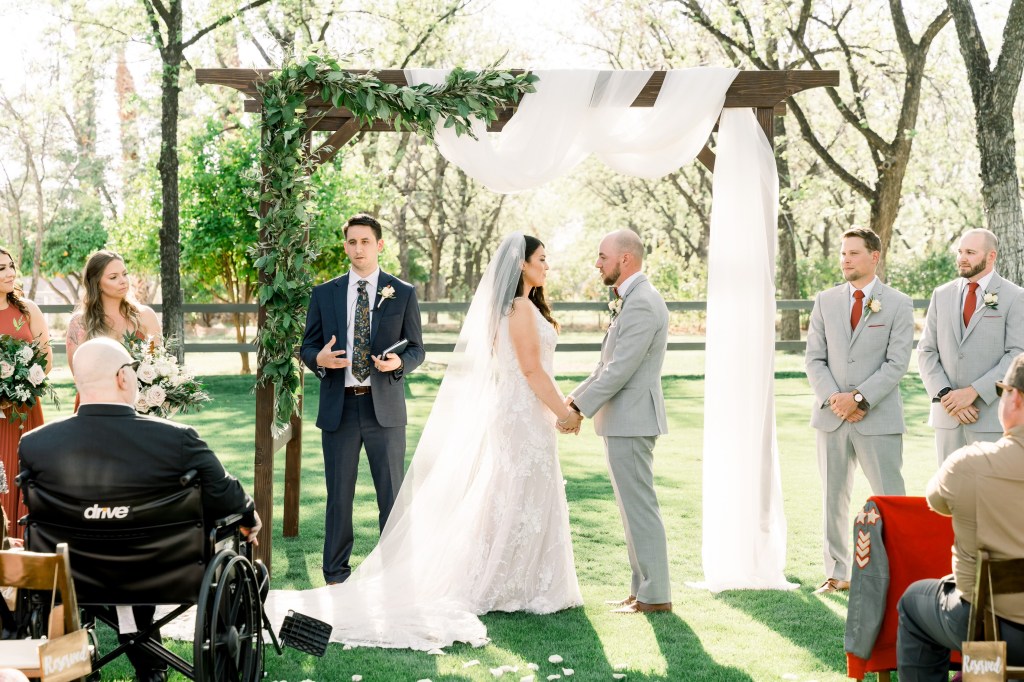
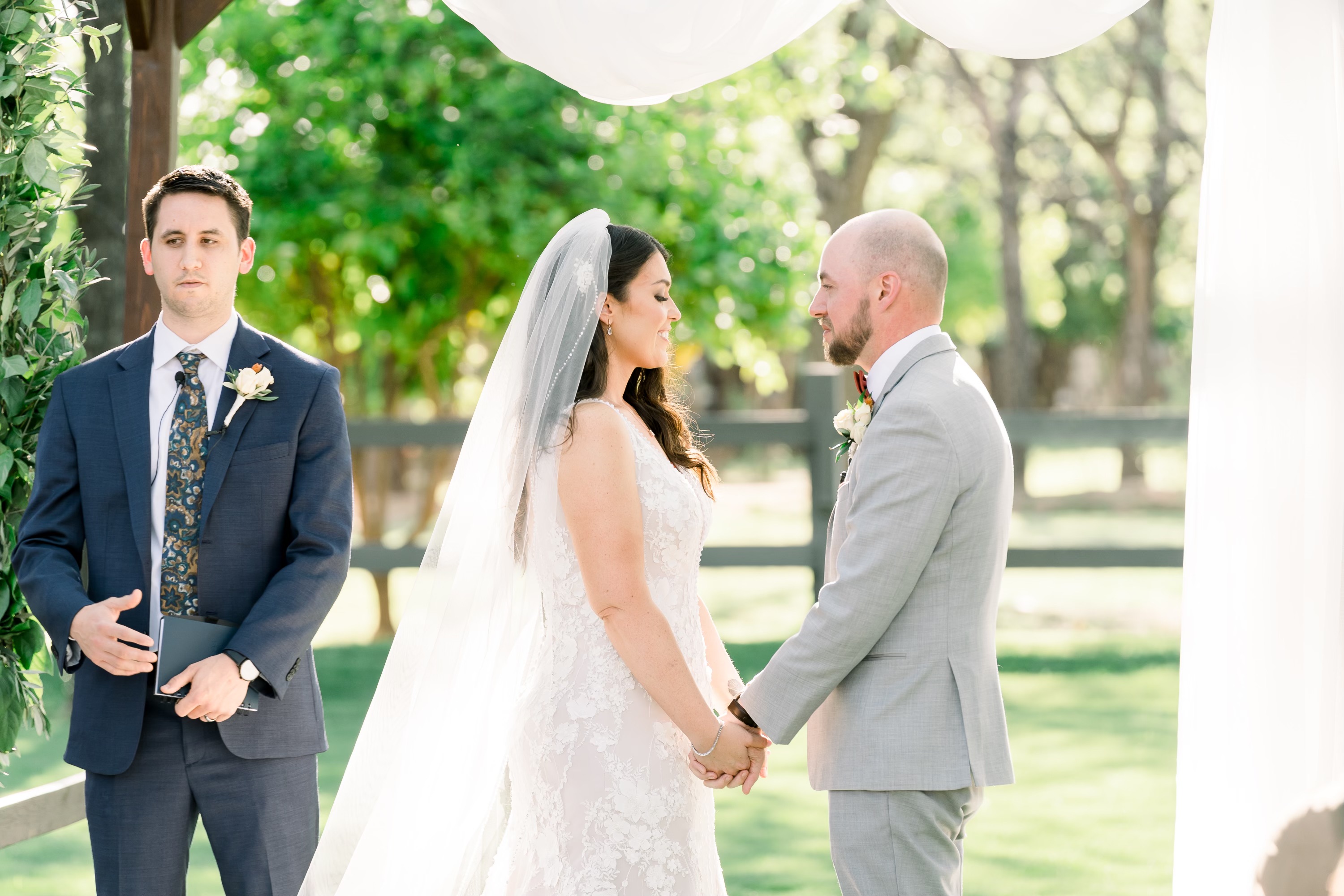
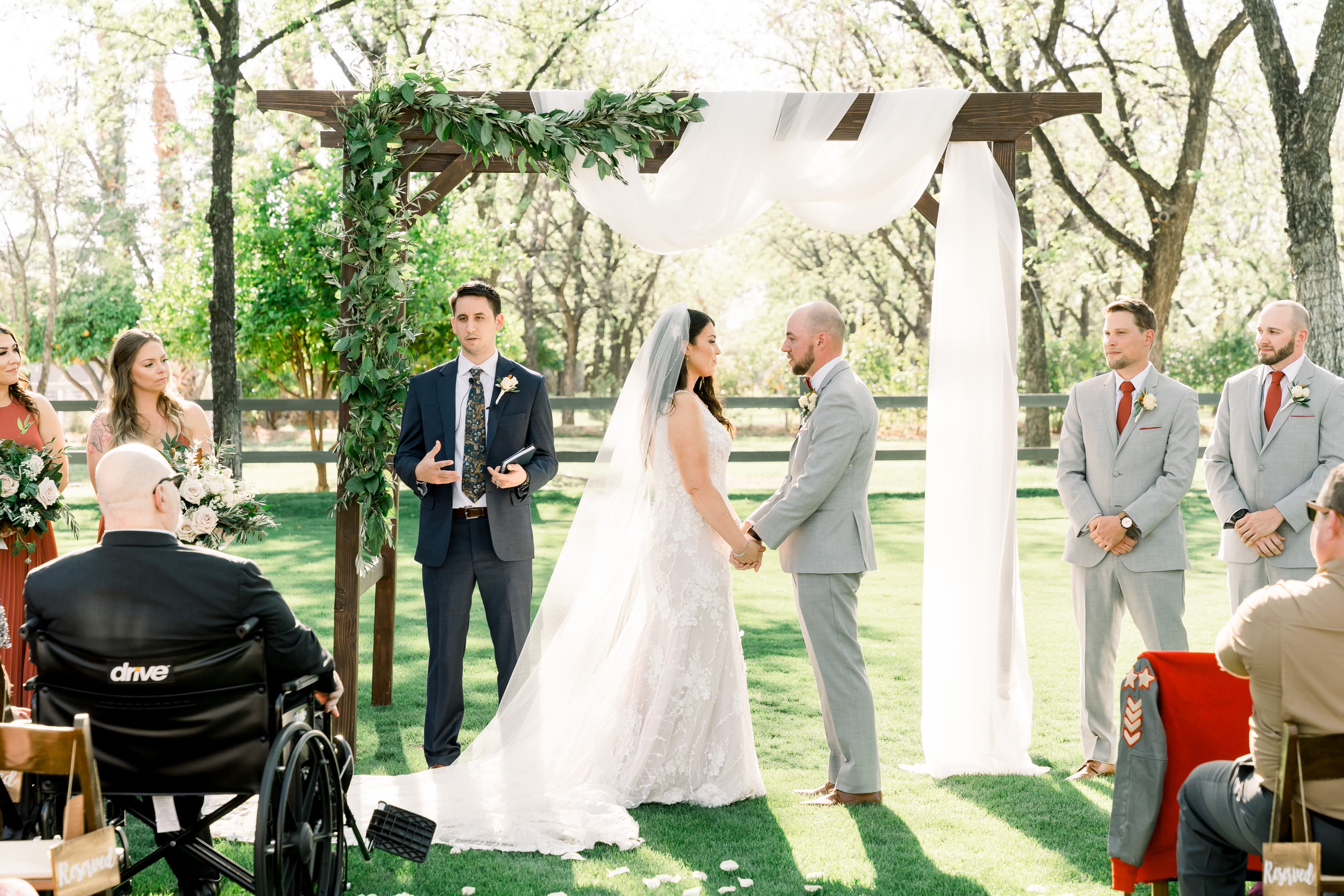
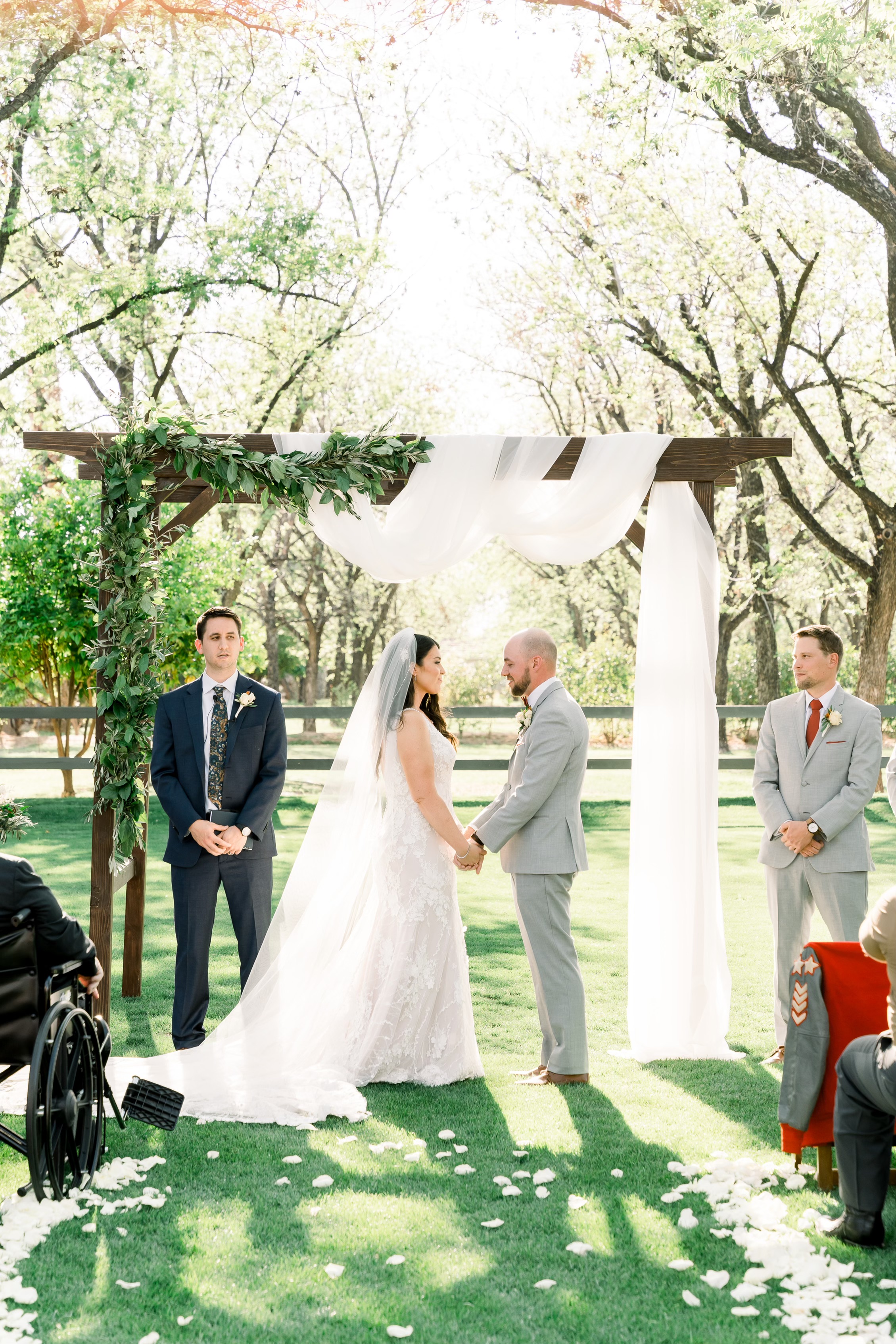
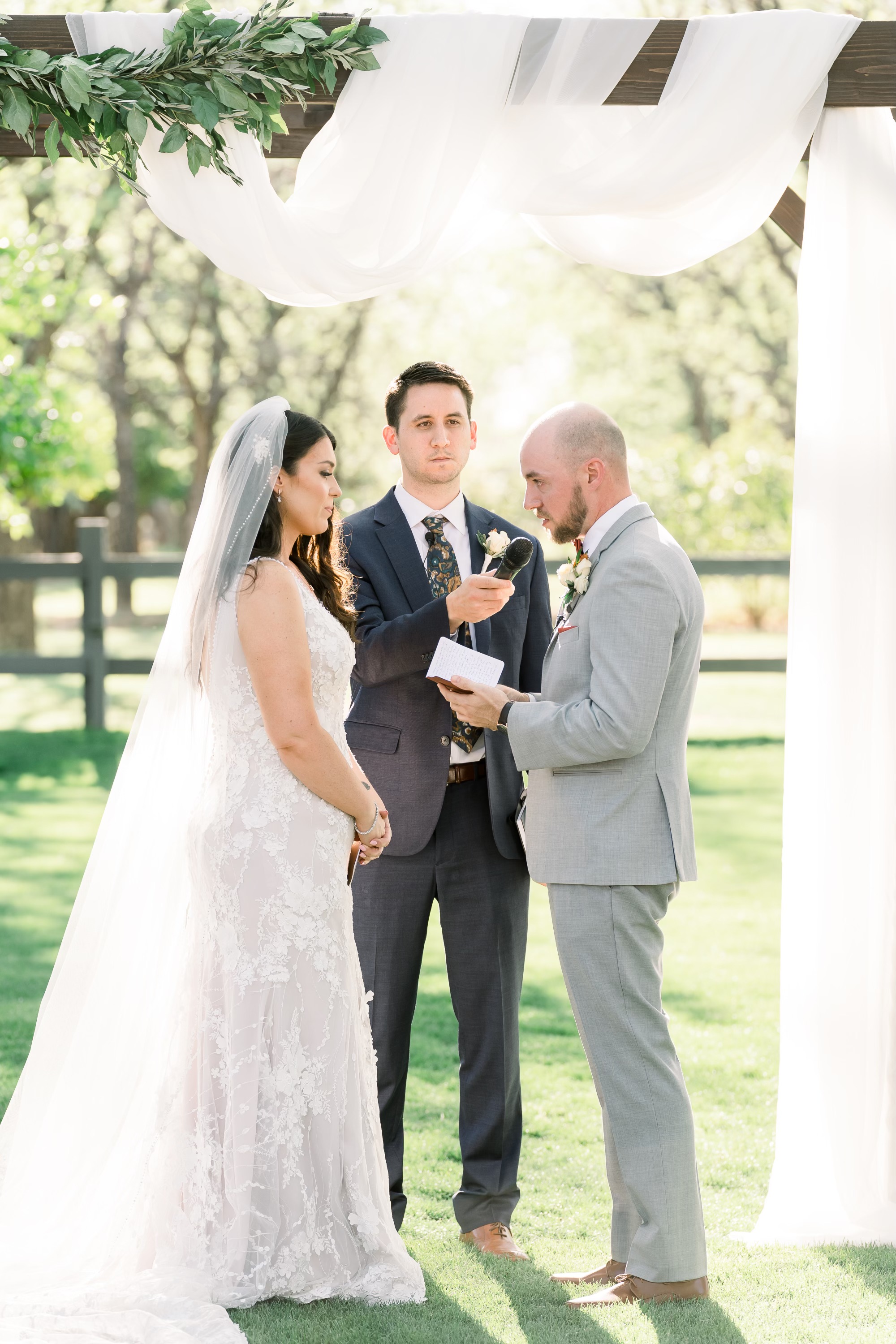
    I wrote this at the hotel, a couple hours before officiating Matt Leedy and Sam Simpson’s wedding.

    It was such an honor being asked to do this.  For me, it’s a bit symbolic of how far I’ve come and transitioned from what I used to be.  When did I become the religious friend trusted to officiate a wedding?  I did this for my sister, but this will be the first real wedding I officiate.  My sister’s was more of a ring ceremony after their sealing in the temple.

    It is pretty cool to change to the point that people trust and ask you to play a part in what is one of the most sacred things. 

    At their wedding, before marrying them, I shared a three-minute thought.  In the moment, I didn’t use notes but rehearsed from memory.  But here is roughly what I shared at Matt and Sam’s wedding:

    “Matt and Sam, look out over all the faces here.  Take a moment, hold to this moment, remember this moment.  All these people are here to celebrate you, because they love you. 

    Something extra special is happening here today, though.  Nobody is here to celebrate you, Matt, or just you, Sam.  Some in the audience may even think they’re here for just one or the other, but that’s really not the case.  Every person here is to celebrate YOU, a unit, a new powerful team, one.  That is what makes this day so special.  Two people becoming one.

    On a day like today, we marvel at all the blessings we’ve been given.

    Remember who you just looked over.  Parents, grandparents, loved ones.  How blessed we are.  On a day like today, we also remember the ones we miss.  A grandma, a father, with a seat reserved.  It feels like yesterday that some loved ones had to leave us.  I think it feels like yesterday because something deep within us knows those loved ones never left us.

    I’m a firm believer in angels.  I’m a believer in angels that wouldn’t miss this day for the world.  So as you look out over those that you can see, I believe, there are some, many even, that are present that you can’t see.  Those loved ones that wouldn’t miss this.

    Matt’s father, Don, left us unexpectedly 18 months ago.  At that time, I got to witness something amazing happen.  I saw Sam love Matt.  I saw Sam protect Matt.  I saw Sam uplift Matt.  I saw Sam support Matt in the most difficult time in his life.  When life is the hardest, we find our foundations.  And when we find our foundation, or someone that does those things for us, it becomes our duty to love, support, uplift, and protect that person for the rest of our life.

    So, Matt, Sam, I encourage you to remember that the greatest challenges in life can result in the greatest blessings.  And with each other, as a unit, loving and supporting one another, you can get through anything this life tries to throw at you.

    We love you.  And we celebrate this day with you.”

    How grateful I am to have gotten to be a part of Matt and Sam’s day. 

    How grateful I am to feel worthy, and clean, to stand before God and a group of Matt and Sam’s loved ones and get to do that for them.

    How grateful I am for a Savior that allows me to be clean and feel worthy of that moment. 

    Thank you to Matt and Sam for trusting me and allowing me to be a part of something so important.

    We love you.

  • Grandma, I will see you soon

    Grandma, I will see you soon

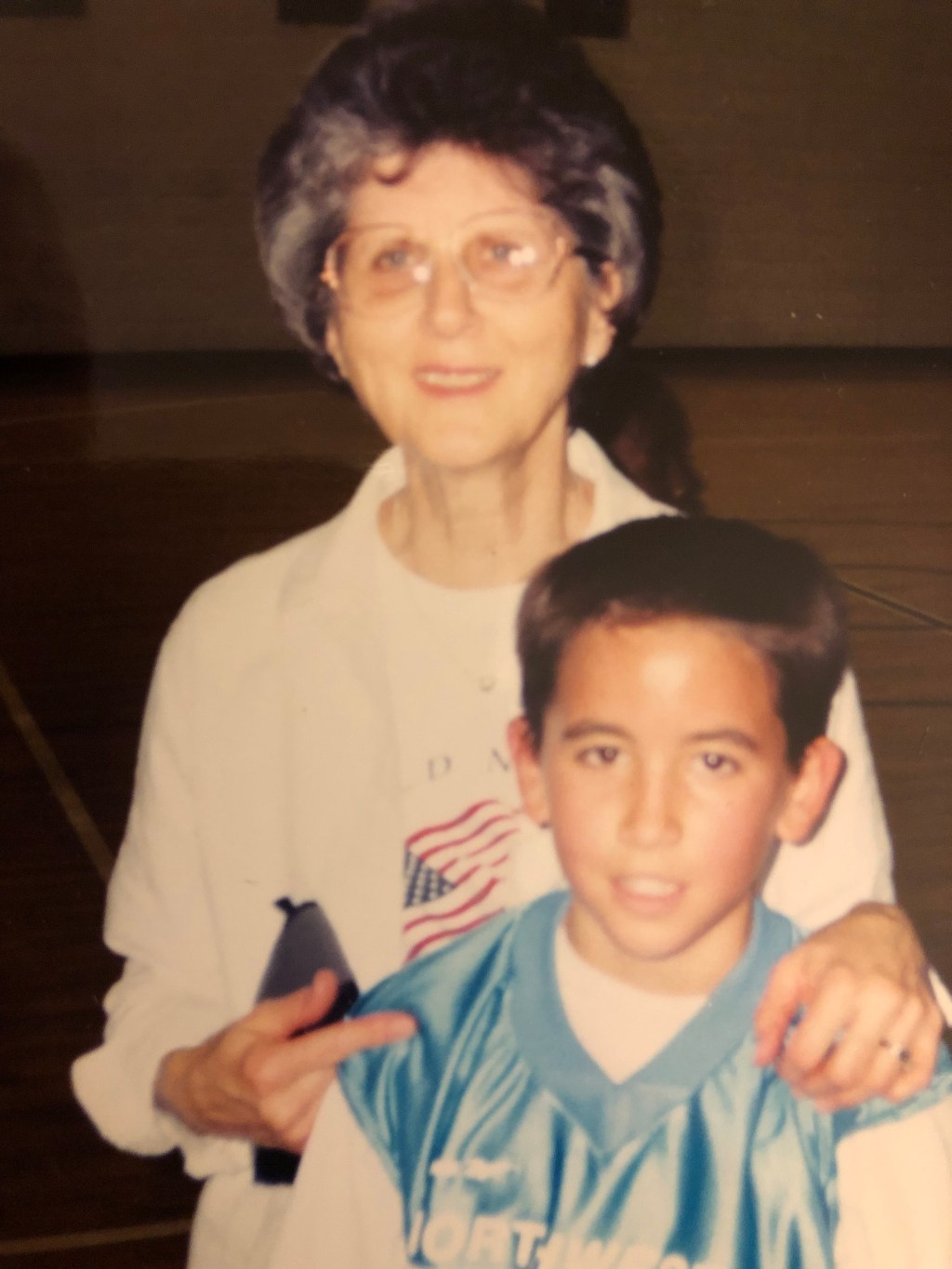
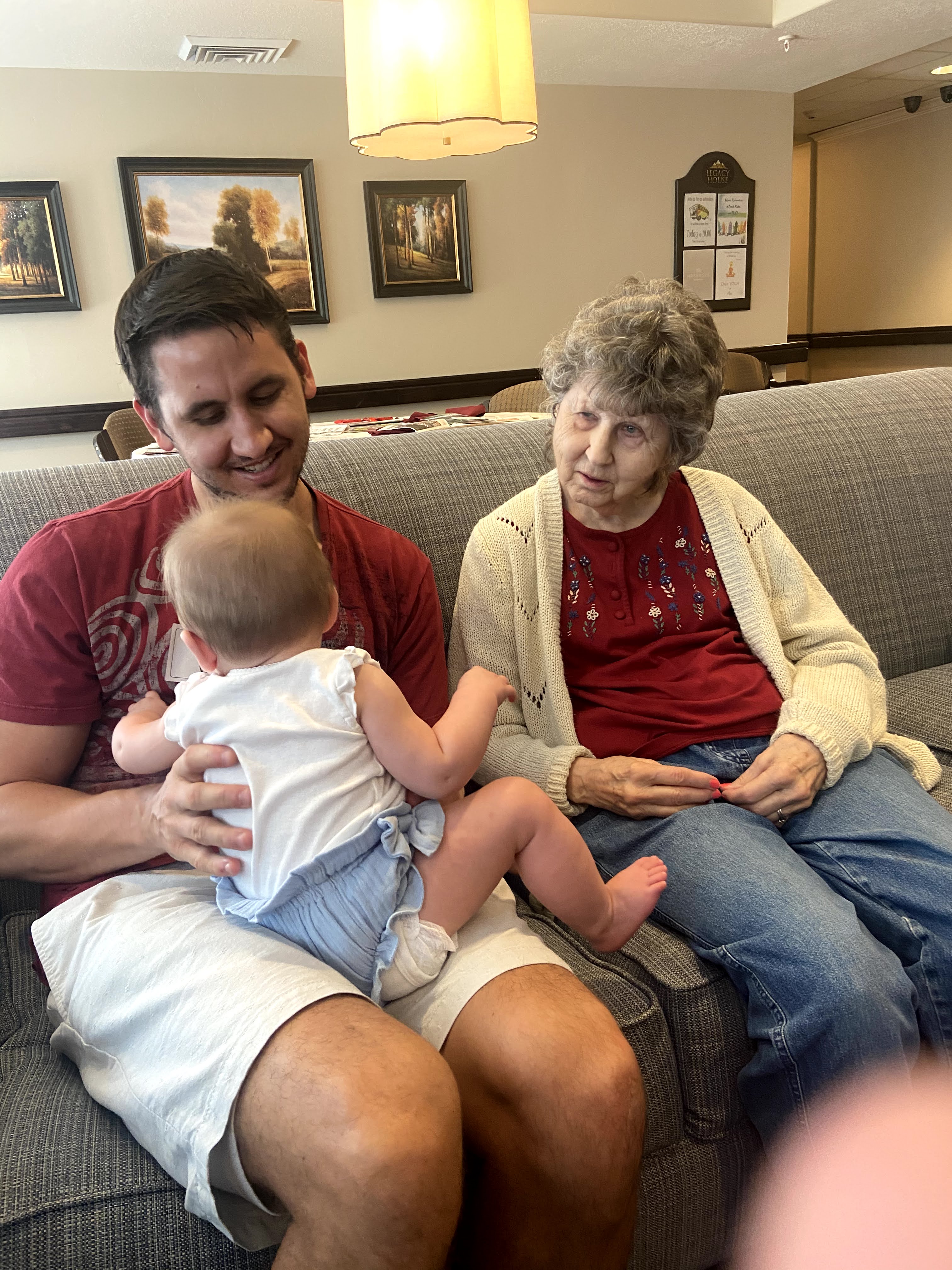
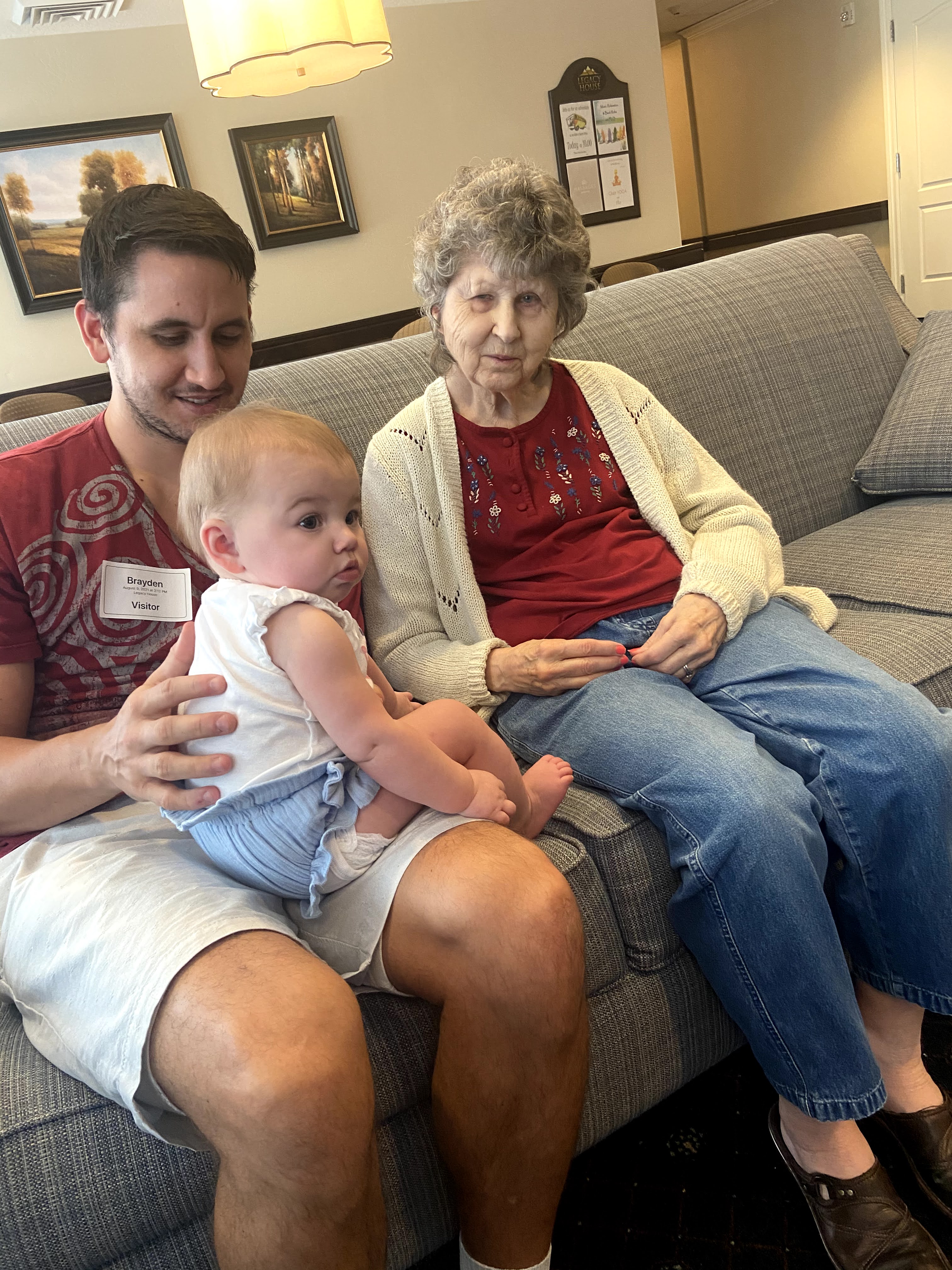
    I believe Sandra Leach was in her early 30s when she accepted the message of the missionaries of Jesus Christ. I have thanked her for that choice every day of my entire life.

    I love you Grandma. Thank you.

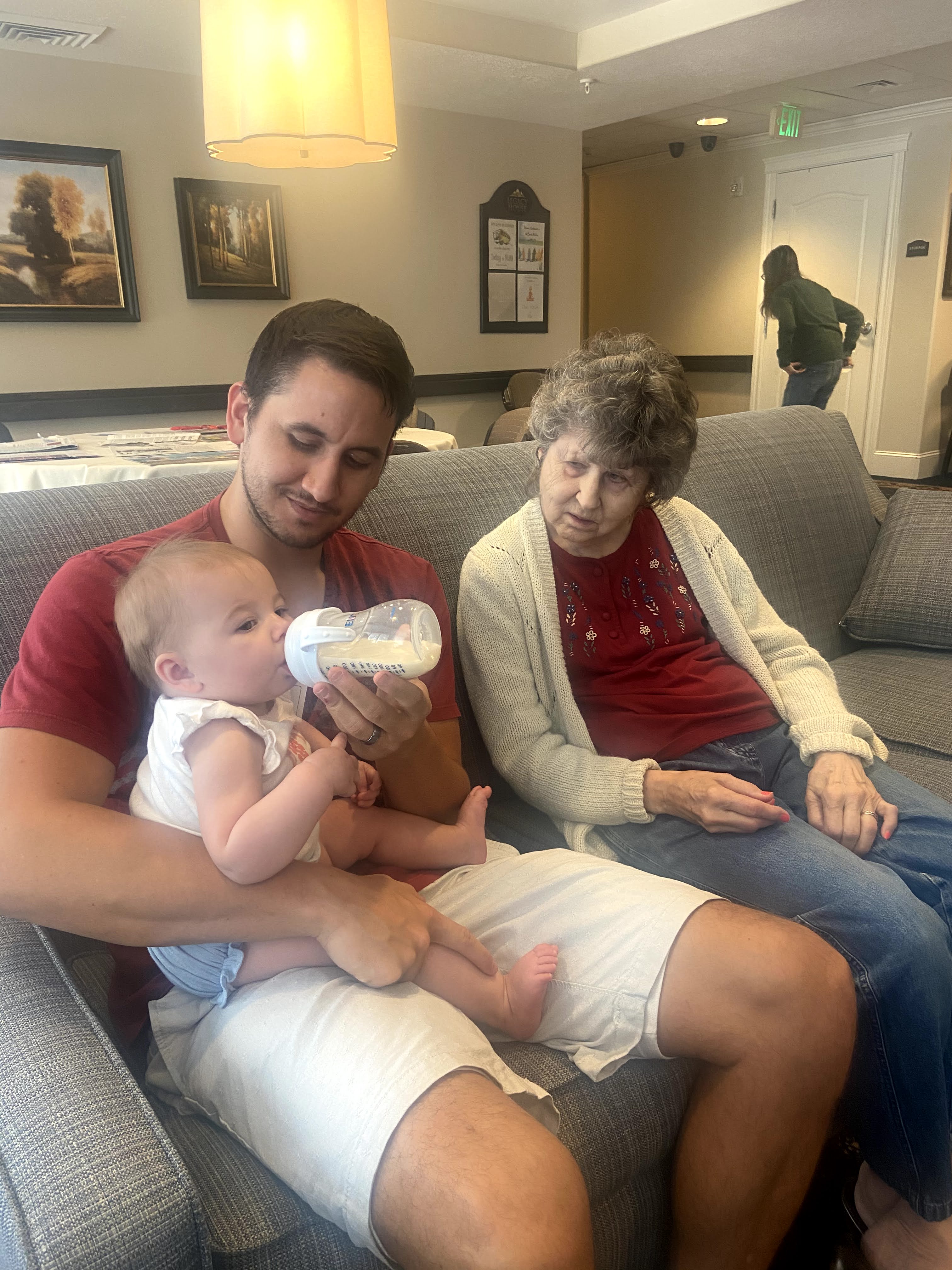
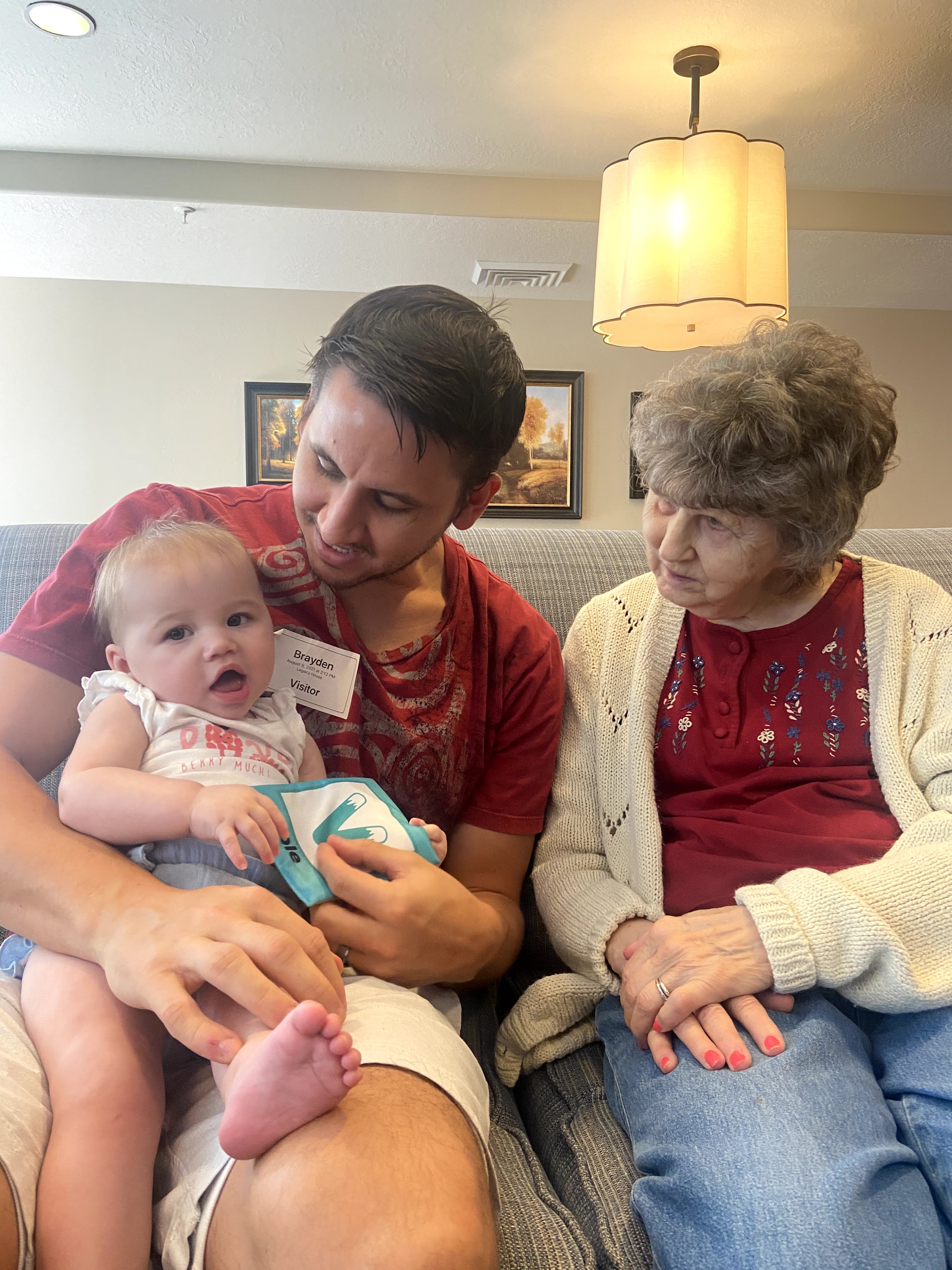
    The greatest gift my grandmother gave me was the gift of a gospel household and a gift of the knowledge of the great Plan of Heavenly Father.  Why is this the greatest gift?  Death should hurt.  Because I know where my grandma is going and because I know I will see her again, death becomes less a sting of bitterness and more a quiet celebration.  I know who is greeting my grandmother, I know the peace and joy she will have as she waits for us to finish our race.  Especially when a good person passes, and there’s few better than my grandma, Sandra Leach, I know where she’s going is so marvelous and wonderful.  It will be sad for us who have to stay.

    It will be a brief stay away.

    I know that Grandma has a lot to do. I know that she’s working alongside Laura now.

    Soon, one day in the near future, when my race is hopefully won, I will meet her again.  We’ll sit in some glorious place I can’t describe; I don’t have the vocabulary or ability to imagine the setting of Heaven.  We will sit and we will go over every single book she read, that she passed to me, that I read.  The books will be in the hundreds!  The notes we’ll share!  I can’t wait.  We’ll have so much to discuss.  She’ll have so much more to teach me.  Just like she taught me here, she’ll teach me there.  I’ll thank her.  I imagine there are happy tears in Heaven.  I can already see and feel tears of joy pouring from my face as I thank her for leading me there.  I will thank her for her perseverance, effort, and determination to raise a righteous home.  I will thank her for teaching my mother about God, and Jesus Christ.  I will thank her for listening to the missionaries.  I will thank her for her faith.  I will thank her for the foundation she established so I could live a joyful life leading to the ultimate joy.  That moment with her and my loved ones.  Discussing our life past and the great future ahead.

    I long for eternity.  I know eternity is just on the other side of me closing my eyes for good from this existence.  I don’t long for death.  I’m not anxious to leave all I love here.  I am excited for my future of laying a foundation of love, faith, and obedience for my daughters.  I am excited for my time on this earth to do all the things my grandmother taught me were important.

    How can I ever thank my grandma for what she’s given me?  I can only give it to my daughters and all those around me.

    Thank you, Grandma.  Thank you from the bottom of my heart and soul.

    I don’t long for death, but I am excited for it.  I am excited for eternity with you.  I have no fear of death because I know it will be on God’s time and terms.  I know it will be for a purpose.  Death will only mean temporarily leaving others to reunite with family that has gone ahead.  How great it is to have no fear of death.  How great it is to know why I’m here. Thank you, Grandma, for that gift.

  • Watching Kids Grow

    Watching Kids Grow

    I know everyone with kids has experienced this, so I’ll try to do it some justice by putting it into words.

    Watching your kid(s) go from potato to living, breathing, functioning being is the most amazing, rewarding, spectacular thing.

    I once heard an interview with an extremely successful man.  Like – hundreds of millions, top of his field, successful.  He was asked, what would be your one regret?  His answer?  What could someone with so much success possibly regret?  He said he wished he had more kids.  I think this individual had 6 kids, but he said something that stood out to me.  He said something like, “I don’t think anyone gets older and says, ‘man, I had too many kids.’”  You’re much more likely to get older and say to yourself, “my kids are my complete joy, they are everything, I wish we had more.”

    I know that in the moment having children is so hard… so much work.  But I think I agree with that statement from that successful man.  I doubt when it’s all said and done I’ll say, “I really had too many kids.”

    Watching Ivy develop my habits, my vocabulary, and at the same time develop independence and become her own little person – it’s unbelievable.

    For anyone debating having children, I have one thing to say:  It will provide the greatest joy you could ever experience. I hope I’ve made that abundantly clear with my writing.

    I love Ivy and my family with all my heart.

    I didn’t plan on this.  I was actually writing this as its own post, not an announcement post.  But what better way to announce?

    Beth and I are expecting our second child.

    This brings stress, two children under the age of two.  Of course it brings stress.  But I know I’ll never regret it.  I can’t wait to welcome our new daughter.

    And Happy Mothers Day to the greatest partner.  Love you.

  • Inheritance and Lehi’s Blessing

    Inheritance and Lehi’s Blessing

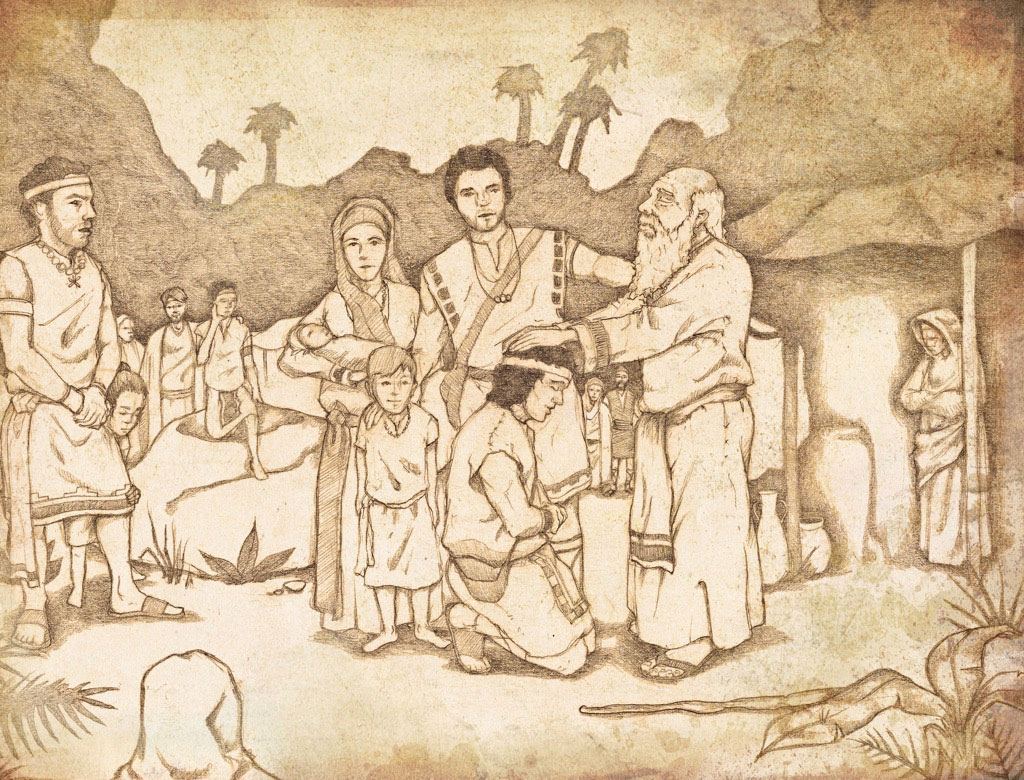
    I have always been confused by the blessings of Lehi to his posterity in the 4th chapter of 2 Nephi in the Book of Mormon.  For one, there is the obvious blessing that is missing: Nephi’s.  For another, there seem to be mixed messages.  Laman and Lemuel have a blessing, but it may be removed?  What does Sam get?  Who is the actual new leader- Nephi or Laman?

    In an article titled Lehi’s Last Will and Testament: A Legal Approach, John Welch goes into great detail on the legality and custom of Lehi’s blessing, and answers all of the above questions. I’d encourage anyone interested to read his whole article. It strengthened my testimony of the authenticity of the Book of Mormon and reminds us of the real world that Nephi was a part of.

    I want to go over some highlights from John Welch’s article that explain Lehi’s blessing in its cultural context. Credit also goes to Alan C. Miner who put together the points I found most relevant to the above questions.

    Inheritance and succession was an important aspect of near eastern culture. It was a way of “preserving and transmitting the family estate from one generation to the next” (John Welch). Typically, the eldest son of the father’s first wife inherited his estate. The leadership of the family was also an important inheritance given. Faulk points out, “a father was free to choose a younger son as his successor, if he found the eldest unworthy of the office.” Sound like this fits Laman and Lemuel much? The father passed this leadership of the family on often through a special blessing (Deuteronomy 21:17), like we see in 2nd Nephi chapter 4.

    There are many examples of this spiritual or ruling leadership being given to a younger son including:

    1. Abel
    2. Seth
    3. Jacob (Israel)
    4. Ephraim
    5. David
    6. Solomon

    In each of these cases older sons were passed over as the spiritual leaders of the family.

    So, we have property inheritance and ruling inheritance. There was a third category sometimes handed down from the father: priestly duties. This is what happened with Lehi giving Jacob the priestly authority in the Book of Mormon. Another example of this was Jacob/Israel’s blessing in the Old Testament. Israel blessed Judah with the ruling authority (Genesis 49:10), Joseph of Egypt receiving a double portion through Ephraim and Manasseh (Genesis 48:22), and Levi inherited some priestly rights to the priesthood.

    As time passed in ancient Jerusalem, it became common custom for the eldest son to automatically receive a double portion of the inheritance. As noted, there were times that younger sons received different portions, or rights to rule, or increased inheritance. This was the exception, not the rule.

    This basic background information brings us to our fascinating story in the Book of Mormon. We have an eldest son, Laman, who was the eldest son of, what appears to be, a relatively well-off citizen of Jerusalem. This family leaves behind their land and property, to venture off to a promised land, a promised land Laman seldom showed faith in attaining. This family spends years in the wilderness, potentially months on a ship, and eventually land in the promised land. This elder brother is now over the moon with joy and enthusiasm. He will inherit all that his father has and be the leader and now king of a new nation.

    But what about Nephi? It was Nephi from the start that helped the family in the wilderness. It was Nephi that went back and got the plates so they could remember God and how to read and write. It was Nephi who built a ship to get them to the promised land. Nephi led the family, physically and spiritually to the promised land. He was the natural leader of the family and deserved to inherit the leadership, and kingship, of this great new nation.

    Lehi has a bit of a conundrum. How was Lehi going to handle Laman’s expectation to receive a double portion from his father? How was Lehi to handle the expectation from Laman that, as the oldest son, it was his RIGHT to inherit everything, despite his lack of leadership throughout the journey. Especially when Nephi had been declared a “ruler and a teacher” (1 Nephi 2:22, 3:29) by God Himself.

    This brings us to our blessing, and to the answer to the questions I always had.

    Lehi needed to appease Laman while attaching appropriate contingencies to his blessing. The main contingency was that Laman’s blessing would be applicable as long as he hearkened unto Nephi. This same admonition was given to Lemuel, Sam, and the sons of Ishmael. If they refused to follow Nephi, their blessings would be null and void.

    So Lehi employed three ways to diminish Laman’s blessing and role as the firstborn son. In diminishing Laman’s role Lehi enhanced Nephi’s. This leads us to the questions:

    First, why was Sam’s portion linked with Nephi’s? Why were there no Samites?

    Combining Sam’s inheritance with Nephi’s was similar to Joseph of Egypt’s blessing being doubled through his sons, Ephraim and Manasseh. Sam’s share of the land was linked to Nephi’s and therefore Nephi’s portion was doubled through Sam’s faithfulness, loyalty, and devotion he would show to Nephi as he always had.

    Welch discusses a second way Lehi diminished Laman’s blessing as found in 2 Nephi 4:5-9, “He [Lehi] blessed his firstborn’s children to the effect that their sins and cursings would be answered upon the heads of their parents. This could not have been flattering to Laman.”

    The third way Laman’s authority and blessing was reduced, Lehi referred to Jacob three times as his “firstborn…in the wilderness” and applied the priestly duties to him. By naming Jacob as another version of the “firstborn,” Lehi subtly took away from Laman’s claims as the firstborn son. As we remember, the custom in ancient Jerusalem was for Laman to receive the inheritance by default because he was the firstborn son. But, with Jacob also receiving a form of the title, “first born son,” Laman lost some claim on this exclusive title.

    Laman was warned that if he was disobedient, to God and to Nephi, that his blessing would be revoked. Lehi was, in a way, willing to give Laman the cursory “honor” of the blessing while putting many safeguards in place to keep Laman from actually ruling.

    This background context gives us additional insight into how the Nephites (followers of Nephi) and Lamanites (followers of Laman) could so quickly devolve into war and contention. The peace was kept as long as Lehi, the official patriarch, was around. Custom in Jerusalem was to love and respect the father (Exodus 20:12). But as soon as Lehi died, it was chaos. Laman was never one to heed faith or blessings, so the warnings from his now passed father were of no concern to him. He wanted to rule.

    To conclude, Alan C. Miner states, “Thus, John Welch has provided a plausible cultural background and answer as to why there were no “Samites.”  His words also give testimony to the fact that the ancient world of which Lehi and Nephi were proposed to be a part of in the pages of the Book of Mormon was a very real world.” The confusing nature of the blessing adds to the authenticity of the Book of Mormon.  Lehi’s blessing is consistent with the pattern an ancient Israelite may use in blessing his children. 

    I bear testimony that the Book of Mormon is a true historical account of families that originated in Jerusalem and eventually settled in the Americas. The more I read and study the book the more obvious it becomes. God has given us a second witness of the divinity of Jesus Christ, and I’m grateful for it. I’m grateful for a book that has been tested for 200 years and still holds up. I’m grateful to know God is still invested in us and our lives. I’m grateful for the Book of Mormon, Joseph Smith, and the Church of Jesus Christ of Latter-day Saints.