Today I was driving into work and a thought occurred to me.
This wasn’t the first time this thought has come to me, but seldom has it hit me so clearly and with such impact.
The thought was this:
“I’m driving down the freeway and I’m surrounded by people also on the freeway. Most of us on our way to work. A seemingly innumerable number of us. In Phoenix, this is not too far from the truth. A million of us on our way to work. What is the point of all this? I know the point of all this. So few of these people around me know why they’re here or what they’re doing.”
This is a common theme I write about. The importance of knowing where we come from, why we’re here, and where we’re going. The three ultimate questions that so few seem to care about nowadays.
A world of billions and how many know their purpose?
I know my purpose. I know what’s more important than anything. Two things:
My family.
Assisting, however I can, in the building of God’s Kingdom, or sharing the great and important truths with as many people as I can, the truths that no one seems to seek anymore.
Sometimes I feel like I fall quite short on that second item. Sometimes I feel like I fall quite short on that first item.
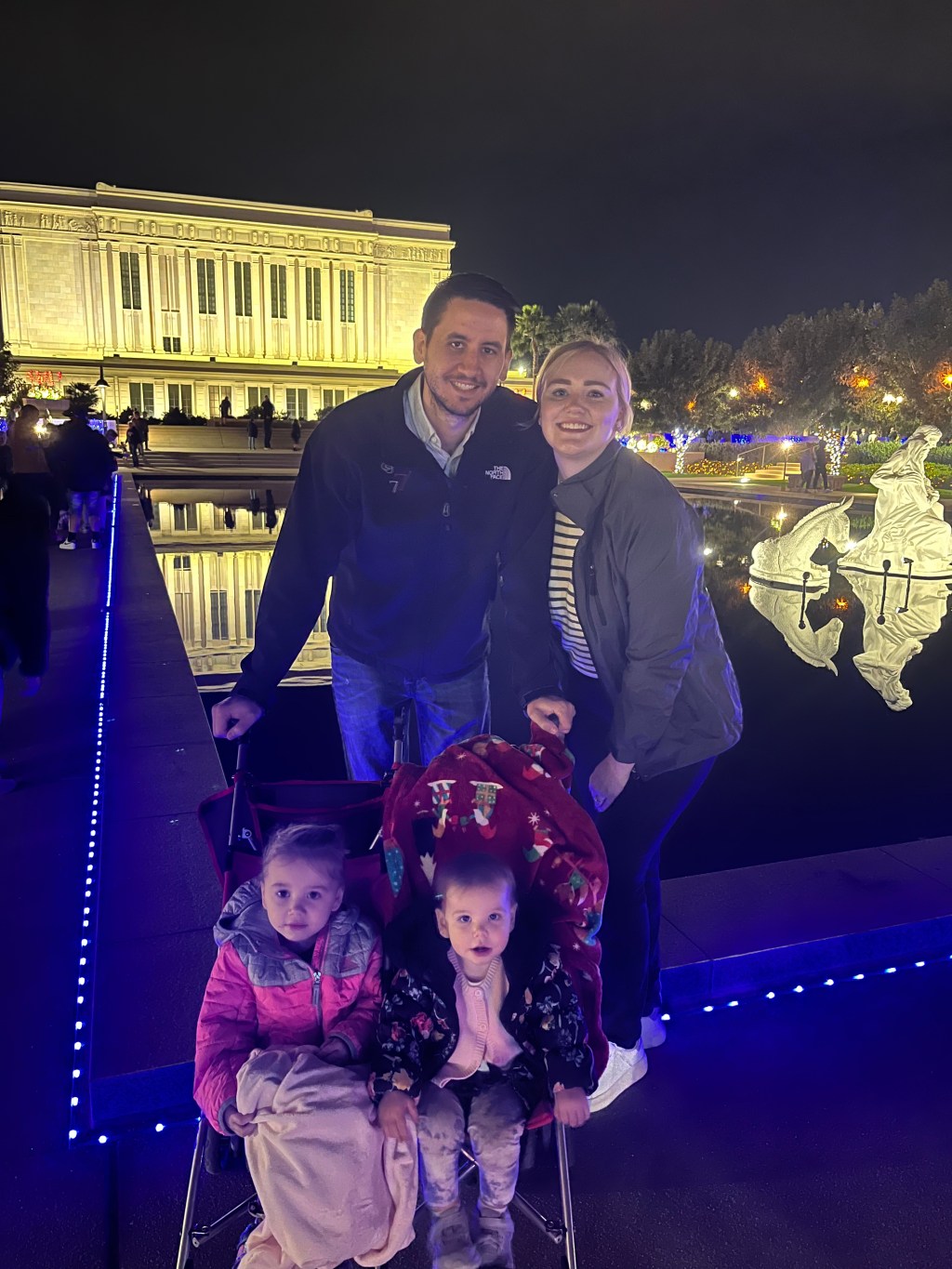
I feel better about the first item every time I see Ivy, Sage, or Beth smile.
Sometimes I feel like no one around me cares about eternity and that makes item two difficult.
But we go on caring for, teaching, taking care of, and loving our families (item one) no matter how hard it gets.
And we go on caring for, teaching, taking care of, loving, and sharing with our eternal family (item two) no matter how much apathy seems to have set in.
*I’m following an extremely short post with an extremely long one. I don’t expect most people (or anyone) to read all my notes and information at the end, but I’m still posting it to illustrate how seriously I’ve looked into this. Don’t ever doubt if I take this seriously.
**I was asked to share my testimony of the Book of Mormon with high school students. This is what I wrote.
I recently read in a Doctrine and Covenants commentary a quote from George Q. Cannon, relating a time that Parley P. Pratt preached to the early saints of the restoration. George Q Cannon stated:
“[Parley P. Pratt] brought forth from the prophesies of Isaiah, Jeremiah, Ezekiel, and other prophets, abundant proofs concerning the work which the Lord had established through His servant Joseph. A great many of the Latter-day Saints were surprised that there were so many evidences existing in the Bible concerning this work. The Church had then been organized some five months, but the members had never heard from the Elders these proofs and evidences which existed in the Bible.”
That commentary added:
“Studying the Scriptures without the guidance of the Spirit does not reveal their true meaning to us. But if we have the Spirit, we shall not fall into error, even if we are not great Bible scholars.”
I have good and bad news for you young people. At this point in your life you’ve heard it said countless times that you’re a choice generation. You are! I state it unequivocally and with as much force as I can muster. YOU ARE A CHOICE GENERATION. Sent here by your Heavenly Father for THIS MOMENT. Look around you. How many are in this room? How many compared to the countless young people you associate with at school? You are God’s choicest soldiers. His chosen. Never doubt it.
With this honor comes a great responsibility. You can no longer plead ignorance as the saints of 1830, not knowing the truth that exists out there. You have all the information of the world literally at your fingertips. If you use your mobile phones and the internet to play Candy Crush and scroll through Instagram, you waste a great power. One day you will stand before God and you will report. At that time you can say, “I didn’t know.” And He will reply, “You didn’t look. I put you on that earth with a responsibility and all the power of information to find everything you could seek. You didn’t look.”
It is out there for you to find the “proof” you need to know the Book of Mormon is true. There are countless resources: books, the internet, commentaries, podcasts. These things can be used to confirm in your mind and soul, without a shadow of a doubt, that the Book of Mormon is true, that this is Christ’s Church, that this is His work. You must find it. You cannot plead ignorance. You have been chosen for an extraordinarily significant purpose. Don’t ever doubt it. If you ever wonder why you’re here or what you’re meant to do, I don’t know. But God does. And I assure you, because you’re in this room right now, at early morning seminary, studying the word of God, that you’re on this earth for something powerful, significant, and important. NEVER FORGET IT.
Now, finding the proof in the Book of Mormon is not easy. It’s not something you discover casually. I’ve studied the Book of Mormon alongside commentaries every single day since I came back to church 8 and a half years ago. I know I’m just scratching the surface of all the proof that exists out there that the Book of Mormon is true. Find a reason to study the Book of Mormon that excites you and it will make your study so much easier and rewarding. For me, this passion project of finding “proofs” of the Book of Mormon started with a friend who could not accept that the Book of Mormon is true because of a lack of evidence. I believe I’ve found sufficient “proof” that the Book of Mormon is true. But you need to find that for yourself.
I’ll provide a list of reading materials, talks, podcasts, and people to get you started. Just know, my list isn’t close to all that is out there to prove to you that the Book of Mormon is true. I hope the list I provide overwhelms you. It should! The evidence that the Book of Mormon is true is out there, it is irrefutable, it is overwhelming. You just have to see it.
I say this next part not to brag but to show an example. It is possible to use the power at your fingertips for good. You don’t need to spend so much (or any) time on TikTok, Facebook, Instagram, and Youtube.
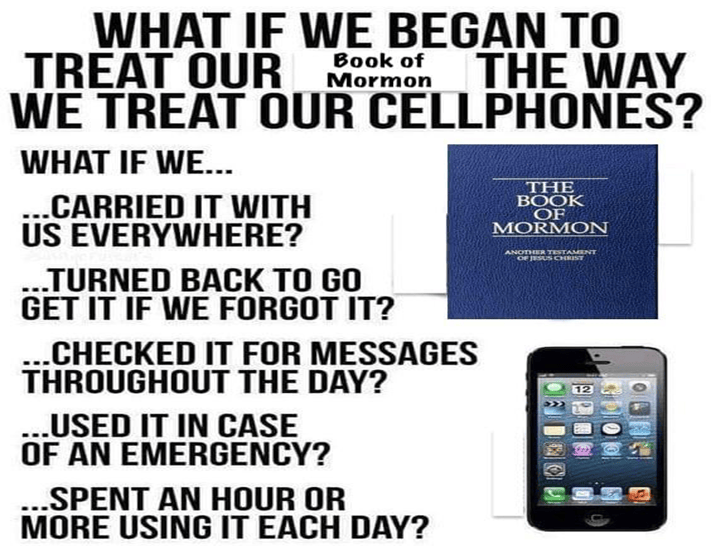
My sister sent this to me the other day:
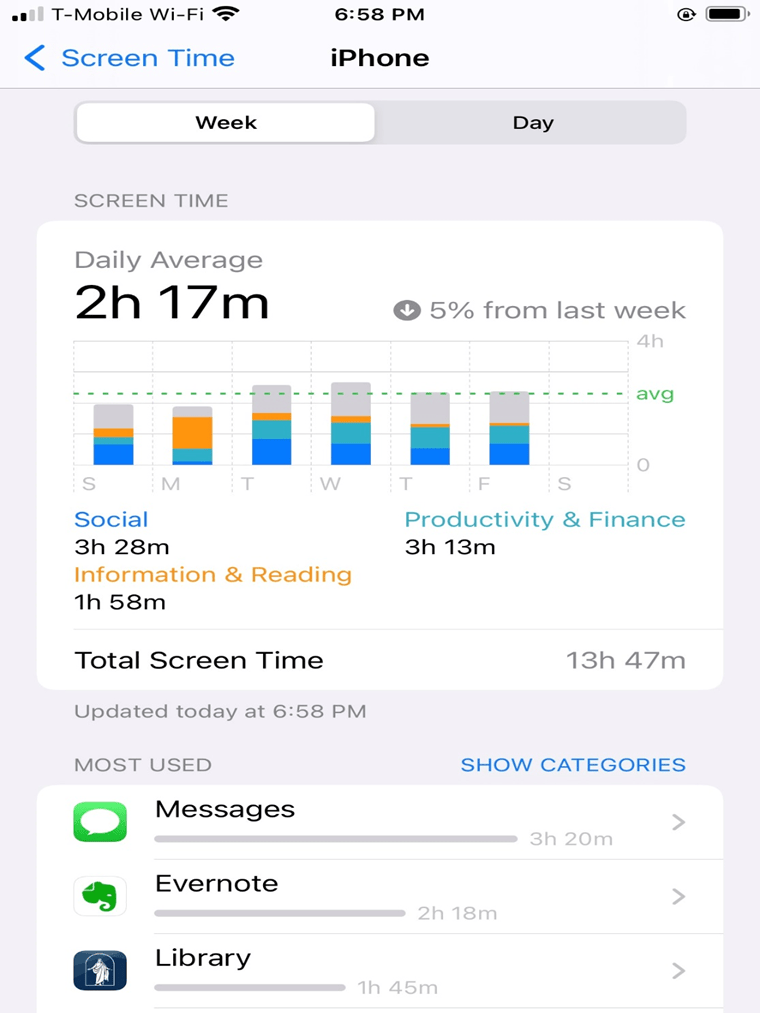
I replied with this:
I replied that I only use my phone at this point to reply to texts, take notes, and study the scriptures. This brings me joy. I hope it can bring the same to you.
Now I must apologize to you. You can no longer walk blindly and ignorantly through the world wondering if the Book of Mormon is true. You have the tools, you know how to use them. It is up to you now to find your own proof and confirm your testimony so that when someone asks you if the Book of Mormon is true, you can reply without hesitation that you know it is.
I leave this, my testimony of the Book of Mormon, with you, in the name of Jesus Christ.
This list is from LeGrand Richards’s book Just to Illustrate.
The Bible is the Lord’s Blueprint. Any church that is God’s church should fit God’s blueprint. The below is a list of biblical scriptures that fit “God’s Church Blueprint”. Other churches have no explanation or guesses about the meaning of these scriptures. We know.
John 10:16 (other sheep I have)
1 Corinthians 15:29 (baptism for the dead)
1 Peter 3:18-20 (Christ preaches to spirits in prison)
Revelations 4:1 and 14:6-7 (angel with Gospel preached to every nation, kindred, tongue, and people)
Acts 3:19-21 (Christ to come after the restitution of all things)
Daniel 2:27-28, 34-35, 44 (is there a church that claims it is God’s kingdom on the earth?)
Malachi 3:1 (messenger sent to prepare the way for Christ’s second coming)
Amos 3:7 (God reveals nothing except to His prophets)
Malachi 4:5-6 (Send Elijah lest the earth be smitten with a curse)
Isaiah 2:2-3 (In the last days, Lord’s house in the tops of the mountains)
Luke 24:25 (are we slow of heart to believe what the prophets have spoken?)
Ezekiel 37:15-20 (Stick of Joseph, verse 18 wilt thou tell us what the Bible means? Answer – verse 19)
My own Added:
Matthew 12:25 (House divided amongst itself)
Ezekiel 37:21-22 (where else is this gathering taking place but the Church of Jesus Christ?)
Isaiah 24:5 (changed ordinances, broken the everlasting covenant, what is the everlasting covenant?)
Why are these promises in the Bible if they are not a part of God’s blueprint and if He does not intend for them to be fulfilled?
The Bible is the Lord’s blueprint, and it will fit no other church in the world.
Proofs of the Book of Mormon:
The below lists coincide with this link (When I wrote this in 2022 this first list was 139 items long, in the past two years it has grown to the current 306 and is still growing) –
Nephi 10:7 first note, Zacharias murder, supportive texts discovered after Joseph Smith’s death.
Nephi 10:10 Lamb of God, writings of Joseph of Egypt that Lehi took from Jerusalem
Nephi 10:18 chiasmus
Nephi 11:6-7 Son of God
Nephi 12:4 thunderings: Book of rolls
Nephi 12:20-21 population
Nephi 13:26-28 all about truths removed from bible.
Nephi 15:28
Nephi 16:10 curious – Semitic
Nephi 16:13 hebraism
Nephi 16:20 murmur exceedingly
Nephi 16:21 hebraism
Nephi 16:23 bow and sling. How would joseph smith know those details?
Nephi 17:1 Joseph ridiculed for 100 years about this route
Nephi 17:5 Nephi’s Journey (Aston theory)
Nephi 17:5 Irreantum-Egyptian, how could joseph smith know that word?
Nephi 18:9 lack of adverbs
Nephi 18:13 geography
Nephi 18:23 promised land
Nephi 18:25 words for corn/wheat
Nephi 20/21 Isaiah translation
Nephi 20/21 Isaiah – chiasmus- Bible deletions
Nephi 20/21 Isaiah – authenticity
Nephi 20/21 use of Isaiah in joseph smith’s day
Nephi 21:1 portion added to Isaiah by “Joseph Smith” is perfect chiasmus
Nephi 22:31 Egyptian closing
2 Nephi 2:4 perfect doctrine of the fall
2 Nephi 2:15 inverted quotations
2 Nephi 2:17 Satan
2 Nephi chapter 3 heading – chiasmus
2 Nephi 3:12 sticks of Judah and joseph
2 Nephi 3:12 fruit of thy loins
2 Nephi 3:14 PROPHESIES OF A FUTURE JOSEPH
2 Nephi 3:15 Messiah ben Joseph
2 Nephi 3:15 meaning of Hyrum
2 Nephi 3:15 pretty much every note for that verse (9 notes)
2 Nephi 3:17 historicity of spokesman for Moses in Genesis and BoM and Jewish tradition
2 Nephi 4:10 and it came to pass
2 Nephi 4:11 cultural inheritance consistent with bible and ancient israel
2 Nephi 4:16 Nephi’s psalm, chiasmus, Hebrew literature
2 Nephi 5:15 and conjunctions Hebraisms
2 Nephi 5:16 why are there temples in America after same pattern to Jerusalem?
2 Nephi 6:4 linguistics
2 Nephi 8:15 variations of Isaiah translation
2 Nephi 8:20 Ephraim and Manasseh importance explained
2 Nephi 9:2 doctrines taught in chapter 9
2 Nephi 9:7 “atonement” New Testament vs Book of Mormon
2 Nephi 9:40 unique use of word by author (Jacob)
2 Nephi 12 (heading) Isaiah plagiarized? Modern language
2 Nephi 12:2 missing phrase and upon all the ships of the sea
2 Nephi 12:20 HE hath made
2 Nephi 13:12 and my people (translation correction)
2 Nephi 13:14 And (translation correction – send to Zach)
2 Nephi 12:16 footnote for “sea”
2 Nephi 15:5 I will – Septuagint
2 Nephi 20:29 Ramath, more ancient spelling
2 Nephi 23:3 mistranslation of Isaiah in kjv
Page 60 and 61 of “temple worship” book- parallels of current temple rituals and ancient rituals that Joseph Smith knew nothing about.
2 Nephi 24:4 Isaiah not found in KJV but in codex Alexandrinus
2 Nephi 25:19 name of Jesus and Mary used in ancient records
2 Nephi 27:1-5 chiasmus (note on verse 1)
2 Nephi 27-2 Book of Mormon consistent with Syriac texts
2 Nephi 27:15 the Anthon transcript
2 Nephi 27:32 BoM consistent with Syriac and Septuagint
2 Nephi 28:10 note – blood types in americas
2 Nephi 29:3 note -“teachings of joseph smith” on the Bible and why we need BoM
2 Nephi 29:3 adding to the Bible
2 Nephi 29:6 incompleteness of the Bible
2 Nephi 29:12 Hebrew poetic device
2 Nephi 29:13 books of scripture
2 Nephi 33:9 Polysyndeton- repetitive use of and (no punctuation in Hebrew)
Jacob 2:2 different voices of BoM
Jacob 4:1 engraving on metal plates
Jacob 5:1 olive tree allegory proof of BoM note
Jacob 5 section heading: note “Horticulure – Joseph Smith knowledge of and proof of BoM”
Jacob 5:3 Joseph Smith use of the word vineyard
Jacob 5:16 Hebrew syntax
Jacob 7:20 Hebrew idiom
Jacob 7:27 all three notes on adieu
Enos 1 and and and vav-consecutive
Enos 14 intricacies and subtleties in reference to Jacob and Esau
Jarom 1:7 fortifications
Jarom 1:8 preposition repeated hebraism
Omni 1:1 different writing styles
Omni 1:8 Hebrew name
Omni 1:12 Mosiah
Omni 1:15 how did Joseph Smith come up with Mulek (note on this verse)
Pretty much all of notes in Omni chapter.
Omni 1:18 note about the potential royal and priestly lineage of Mulek, son of King Zedekiah.
Words of Mormon heading
Words of Mormon 1:5 why Isaiah in the BoM
Words of Mormon 1:17 stiffneckedness
Mosiah 1:1 absence of colophons (different voices for an abridged record vs first person account).
Mosiah 1:2 and it came to pass – Maya
Mosiah 1:2 He had…He called…He caused (third person account) note – new voices in translation / no errors.
Mosiah 2 chapter heading. Multiple notes on the chapter heading.
Mosiah 2:7 tower more correct translation (note from Matthew roper)
Mosiah 3:1-3 chiasmus (note on verse 1)
Mosiah 3:18-19 chiasm
Mosiah 4:16 parallels between jubilee celebration and king Benjamin’s Speech
Mosiah 5:10-12 first chiasmus found in BoM (this is a good note and proof of BoM)
Mosiah 5:11 God’s name spoken 7 and 3 times for a total of 10, just like ancient Israel.
Mosiah 7:9 scribe for King Limhi
Mosiah 7:17 8 features of covenant tradition
Mosiah 7:21 language structure
Mosiah 7:26 minor proof of the BoM. Good point about how difficult to keep things straight.
Mosiah 10:20 slew slaughter Hebraic phrase
Mosiah 11:25 tradition of fasting while covered in ash
Mosiah 12:1 prophesies fulfilled, keeping track
Mosiah 12:3 Dead Sea scrolls, Hugh Nibley, need to look at this one closer.
Mosiah 15:7 crucified
Mosiah 15:7 cross in Americas
Mosiah 15:20-23 chiasmus
Mosiah 17:2 Alma
Mosiah 20:19 Semitic device
Mosiah 21:2 how did Joseph Smith incorporate those voices seamlessly?
Mosiah 23:31 Hebrew poetry word pairs
Mosiah 25:2 Ezekiel prophesy fulfilled
Mosiah 26:39 Semitic language
Mosiah 29:7 plot, keeping track of everything, see also 28:9
Alma 1:1 Hebraism
Alma 1:2 Arabic idiom judgement-seat
Alma 1:29 Hebrew writing form polysyndeton
Alma 1:29 flocks and herds consistent with Old Testament
Alma 2:1 another Hebrew literary device hal-clause
Alma 2:15 river Sidon – how did joseph know the name Sidon?
Alma 2:20 tents
Alma 2:22 meaning of names
Alma 2:37 hermounts – what a coincidence! This is a good one.
Alma 3:1 Epanalepsis, writing styles of BoM authors
Alma 3:13 mark of red, another Hebraism
Alma 3:26 Semitic repeating of number
Alma 5 superscription. Pretty amazing joseph smith kept this all straight.
Alma 5:7 behold
Alma 5:9 soul expands – works better in Hebrew than English
Alma 5:9 song of redeeming love, old world temple rite
Alma 11:15 barley
Alma 36:9 Semitic language
Alma 5:19 more inverted quotations (Seidel’s law, see 2 Nephi 2:15)
Alma 5:26 amazing joseph smith kept these voices and phrases from time periods straight.
Alma 5:28 Semitic idiom
Alma 5:37 Semitic expressions
Alma 5:40 antithetical parallelism
Alma 7:10 land of Jerusalem
Alma 7:11 pains and sickness more accurate translation
Alma 8:6 how did Joseph Smith know maya place names ended in “ha”/“hah”?
Alma 8:7 bountiful and desolation connection to Hebrew
Alma 8:7 custom in mesoamerica to name after kings who first settled
Alma 8:13 additional “and” additional proof of BoM authenticity
Alma 8:18 it came to pass (same as 2 Nephi 4:10)
Alma 9:19 having…having…
Alma 11:15 barley
Alma 10:11 women wives Hebraism
Alma 10:20 singular for plural
Alma 11:4 perfect monetary system
Alma 11:5 monetary system with ties to ancient civilizations
Alma 11:13 how did joseph smith know onti was a unit of value in Egyptian?
Alma 11:15 how did joseph smith know that Egypt measured in barley before the world knew?
Alma 11:16 Hebrew word
Alma 11:43 limb and joint
Alma 12:11 different voices
Alma 13:9 chiasm
Alma 13:25 “would to God” how did Joseph Smith know that meant it wouldn’t happen?
Alma 14:8 fire Epistrophe
Alma 15:17 altar – deliverance
Alma 16:5 Aha – warrior in Egyptian
Alma 17:14 precious stones
Alma 18:9 horses (multiple notes)
Alma 18:9 wheels (multiple notes)
Alma 18:13 Rabbanah Aramaic, melek Hebrew, good thing joseph smith knew that.
Alma 18:18 Hebrew idiom
Alma 22:31 Desolation and Bountiful
Alma 23:1 epanalepsis Hebrew writing device
Alma 23:7 double negative Hebrew authorship
Alma 25:1 prisoners of war needed to establish a new king – consistent with maya rituals
Alma 27:15 compound subject proper Hebrew
Alma 27:22 Jershon = Semitic to inherit
Alma 29:9 authorship
Alma 30:51 Put Forth His Hand – different phrases by different authors
Alma 31:7 Helaman Egyptian name
Alma 31:7 Shiblon and Corianton Hebrew and Arabic
Alma 31:21 rameamptom Semitic
Alma 32:8 Semitic idiom
All of Alma chapter 32 on faith. An unlearned farm kid wrote this?
Alma 33:13 writings of Zenos discovered in 1906
Alma 34:8 voice of Alma
Alma 34:10 A great and last sacrifice, voice of Amulek
Alma 35:13 Joseph Smith returning to things previously mentioned during dictation
Alma 35:16 Passover father talk to sons Old Testament tradition
Alma chapter 36 odds of chiasmus being random
Alma 36:9 Semitic language
Alma 36:22 exact quote of Lehi
Alma 37:5 Proof of brass/bronze existing from 6th century BC
Alma 37:23 Gazalem and Liahona Egyptian and Hebrew meanings
Alma 37:23 Onyx or chocolate colored seer stone tribe of Joseph in ancient Israel
Alma 37:37 ancient Hebrew poetic form, known as merismus
Alma 37:37 Liahona – very good Hebrew
Alma 39:3 Isabel – Lack of Baal names – Jaredite
Alma 39:9 cross yourself – John Gee, awkward English
Alma 41:13-15 Hebrew parallelistic writing
Alma 43:21 armor terms in BoM differ from those used in bible.
Alma 43:26 voice of Moroni, land in quarters
Alma 45:19 mistranslation of Bible about Moses translation, Joseph would have had to keep track of this in his Bible translation.
Alma 46:17 Dead Sea scrolls, land of desolation and land of bountiful before a war
Alma 46:29 Hebraisms
Alma 46:21 Hugh Nibley – Battle Scroll – proof of BoM
Alma 46:22 simile oath
Alma 46:24 coat of the Garden of Eden
Alma 46:40 no cold words in BoM
Alma 49:13 proof of fortifications
Alma 51:5 king men, historical correlation with what is happening in Book of Mormon
Alma 51:33 climate in new year
Alma 53:7 seasons of war. Such a tiny detail. But what you’d expect if this is a legitimate record. How amazing that joseph smith considered the seasonality of war in middle America when making up this book…
Alma 54:1 Egyptian
Alma 57:5 Joseph Smith did this timeline stuff off the top of his head?
Alma 63:5 Hagoth Mycenaean name
Helaman 1:3 Egyptian and Nephite judge names
Helaman 1:3 Paanchi- indisputably Egyptian
Helaman 1:9 Kishkumen and Akish tied together in way different parts of the book
All the notes in Helaman 3 (especially verses 4 and 5) about the evidence of vast civilizations in the americas.
Helaman 3:5 deforestation
Helaman 3:5 blood types
Helaman 3:7 cement – proof
Helaman 3:7 more on cement + all other notes about cement on this verse
Helaman 3:12 “sea south” changed to “ocean of the peaceful people” (bottom part of that note).
Helaman 3:14 “and” – Semitic language
Helaman 3:14 shipping and calendar
Helaman 3:15 undisputed now that Mesoamerican people kept written records.
Helaman 3:36 fifty and second year, Semitic numbering
Helaman 5:39 Semitic names
Helaman 6:8-9 free trade
Helaman 6:10 good chiasmus
Helaman 6:10 Mulek, which was after the son of Zedekiah – think about how long it took you to connect reading the scriptures that King Zedekiah of Jerusalem had all his sons killed – and you with all your commentaries and explanations and internet- then think of 24 year old joseph smith putting that together and applying it to a “fiction” he wrote implying that one of the sons got away and was established in the americas but that’s tied in just in a side part of his main “fiction”, a guy who didn’t even know Jerusalem had walls. Insane.
Helaman 6:22-26 good chiasm
Helaman 7:10 chief market, highway, gardens (5 notes in total).
Helaman 8:15 parallelism
Helaman 8:18 Semitic expression
Helaman 11:36 Anabasis staircase parallelism
Helaman 12:13 if and Hebraism
Helaman 13:11 anaphora Hebrew literary device
Helaman 13:33 quote from Enoch text
Helaman 14:25 how did Joseph Smith insert a “missed” prophesy INTO a chiasm?
Helaman 16:22 Hebrew preposition usage
3 Nephi 1:1 Mexican record mentions age of 600 years
3 Nephi 1:1 both notes about Lachoneus – ch to k and why a Greek name is in BoM
3 Nephi 1:8 Native American legends of the “dawn star”
3 Nephi 1:13 Olmec-Maya long count calendar correlates with Book of Mormon account
3 Nephi 2:8 birth of Christ same as birth of Quetzalcoatl
3 Nephi 3:9 Giddianhi Egyptian name
3 Nephi 9 jaredite records references to secret societies that would tie in later
3 Nephi 3:12 robbers vs thieves distinction
3 Nephi 3:22 horse bones archaeology
3 Nephi 4:4 7 years and ancient Israel custom
3 Nephi 4:7 polysyndeton, religion of and
3 Nephi 5:10 poetic structure and Mormon and Nephi having similar testimonies
3 Nephi 8:5 Quetzalcoatl same birthdate as Christ
3 Nephi 8:11 Great destruction in Mexican history correlates with Book of Mormon
3 Nephi 8:12 Volcano activity 34 A.D.
3 Nephi 8:23 Hebrew idioms
3 Nephi 9:3 great cities and Book of Mormon parallels to Mesoamerican cities
3 Nephi 9:8 volcanic lava covering cities from time of Christ
3 Nephi 9:10 another and, and, and Hebraism
3 Nephi 9:10 known ancient city of Lamonai buried
3 Nephi 11:14 Mesoamerica depictions of a god with marks in his hands
3 Nephi 11:14 Jesus Christ and Quetzalcoatl parallels
3 Nephi 11:14 Parallel names between Christ and god of Mesoamerica
3 Nephi 11:15 Ancient Aztec record, Quetzalcoatl with prints in hands and feet
3 Nephi 11:19-20 another polysyndeton
3 Nephi 11:21 Baptism in ancient Mesoamerica
3 Nephi 11:27 3 Gods in one parallel in Mesoamerica – remarkable
3 Nephi 12:1 Hebraism – conjunctions and parenthesis
3 Nephi 12:6 filled with the Holy Ghost correct
3 Nephi 12:10 persecuted for my name’s sake closer to Aramaic
3 Nephi 12:17 likely Paul criticism removed from Book of Mormon
3 Nephi 12:20 another example of perfectly adjusted text to adjust from an old world audience to a new world audience, how did JS do this off the top of his head?
3 Nephi 12:21 old world oral law new world written law, amazing thought by JS
3 Nephi 12:22 Book of Mormon matches earliest manuscripts (this is a good one).
3 Nephi 12:29 further case where sermon at temple seems more like what Christ would have said
3 Nephi 13:1 another more accurate translation than Bible almsgiving for poor
3 Nephi 15:16-17, 21 Joseph and Judah uniting, Jewish readings
3 Nephi 18:5 Christ/Quetzalcoatl ordained priests
3 Nephi 18:6-7 sacrament in the new world
3 Nephi 18:7 remembrance as a covenant
3 Nephi 19:4 names in the Book of Mormon don’t use vowels not found in Hebrew
3 Nephi 19:6 Mesoamerican temple dedicated to Father, Son, Holy Ghost, and 12 helpers
3 Nephi 19:25 more accounts from Mesoamerica that align with BoM record of a white God (Christ) visiting
3 Nephi 20:1 And = but Hebraism
3 Nephi 20:6-7 ancient records show Quetzalcoatl fed a multitude like BoM
3 Nephi 20:10 another chiasm
3 Nephi 20:10 Jesus’ covenant people discourse significance of chiasm
3 Nephi 24:1 Aztec belief in white god and letter from Cortez to Spain
3 Nephi 24:9 Hebraism
3 Nephi 26:5 joseph smith keeping straight quotes he’d have to make later
3 Nephi 27:14 specific example of pre Spanish cross
3 Nephi 27:20 baptism in Americas
3 Nephi 28:1 “that” Hebraism
3 Nephi 28:23 Aztec names with Hebrew roots
4 Nephi 1 evidence of religious change around 34 A.D.
4 Nephi 1:5 polysyndeton (repeated ands)
4 Nephi 1:6 annal-like recounting
4 Nephi 1:17 double negative hebraism
4 Nephi 1:24 pearls
4 Nephi 1:26 Teotihuacan pride cycle coincides with BoM timeline
Defense of Mormon theology:
2 Nephi 29:9 Polytheism, idolatry, and the patriarchs
Mosiah 4:6 note premortal life references in bible
Mosiah 4:6 note Ancient texts – Christ in premortality
(Godhead)- Mosiah 15:2 note about suzerain and vassal relationship. How Christ is the father and the son.
Mosiah 16:13 grace
Alma 1:4 faith and works
Matthew 21:30 faith and works
Proof of restoration:
2 Nephi 21:1 “Gentiles, Israel, and the olive tree allegory” note
2 Nephi 21:12 only church to prophesy of the Jews returning to Jerusalem
2 Nephi 26:4 defense against an example of accused “plagiarism”
Jacob 5:35 apostasy
Mosiah 4:3 baptism (this is a good note explaining importance of baptism)
Defense of Book of Mormon:
2 Nephi 29:3 Bible anachronism
2 Nephi 33:4 BoM Christ focused
Enos 1:21 horses
Omni 1:15 DNA
Mosiah 2:3 offering sacrifices
Mosiah 3:2 the name of Jesus Christ
Mosiah 9:9 wheat and barley
Mosiah 16:7 quoting Paul (who quoted Hosea)
Mosiah 16:8 pretty much same as above with additions
Alma 2:12 bows
Alma 2:15 Sidon without Tyre (“Sidon – historical” note)
Alma 4:6 silks
Alma 4:6 silks and linens
Kind of:
2 Nephi 24:19 remnant – raiment
Mosiah 2:9 how did joseph smith connect that “this day” was linked to temple worship in Hebrew?
Mosiah 2:28 choirs and kingly coronation
Mosiah 2:28 king farewell (note on about to go down to my grave)
Mosiah 2:30 Similarities between Mosiah coronation and Old Testament coronations
Mosiah 8:15 defense of seer stones, used in ancient Egypt
Mosiah 19:24 peace ceremony
Mosiah 27:29
Mosiah 27:34 how did Joseph smith know Himli could be a Hebrew name?
Mosiah 28:9 keeping track of plot
Alma 3:15 “and again” meant to be read aloud, without punctuation in the ancient writing
Alma 3:14 this is kind of complex but I think it adds to the complexity of the lost 116 pages, how could JS plan this?
These are my own additions of books, talks, podcasts, scriptures, etc. that I’ve found provide particularly strong proofs of the restoration:
Joseph Smith:
D&C 135:4 note from Jeffrey R Holland about Joseph Smith and Hyrum BoM testimony unto death.
Hebrews 9:16
D&C 42:64
Old Testament:
Isaiah 2:3 why are Zion and Jerusalem different places? We know.
Isaiah 2:16 how did Joseph Smith know about the Greek and Hebrew? (Subscript a)
Isaiah 54:16 explanation? This coincidence combined with a 14 year old who likely never read this verse claiming to see God, then writing an extraordinary book, then spawning a worldwide religion. Coincidence? “Behold, I have created the smith that bloweth the coals in the fire, and that bringeth forth an instrument for his work; and I have created the waster to destroy.”
Malachi 2:4 where do other churches believe the covenant of God is today?
Malachi 3:1 what temple do other churches think Christ will come back to?
Malachi 3:7 What ordinances do other churches believe they need to return to?
Books:
A Marvelous Work and a Wonder
Just to Illustrate
A Case for the Book of Mormon
Those Gold Plates – From Those Gold Plates (book by Peterson – the Book of Mormon claimed to be in reformed Egyptian. Many names of people and places in the BoM have roots in Egyptian. How did Joseph Smith do that? Ancient Writing on gold plates has since been found across the globe. Even the cement box Joseph Smith described the plates residing in has been found as an ancient way to store precious items, like records. Page 72- the 29th chapter of Isaiah says the book would come forth before the flourishing of Lebanon, which started to happen in the mid 19th century.
Temple Worship by Andrew C Skinner (item 59 of list above)
1000 Evidences for the Church of Jesus Christ of Latter-day Saints (Haven’t read yet)
Podcasts:
LDS Perspectives (especially Episode 6 on DNA)
Church History Matters
Talks:
What is the blueprint of Christ’s church? By Tad R Callister
According to David Bokovoy, when the Book of Mormon appeared in 1830, the Western world had only a limited knowledge of the literary techniques utilized by Semitic authors. One such discovery came to light in 1955 when a scholar named Seidel published a study on parallel statements in Psalms and Isaiah. His work prepared the way for further analysis of what has come to be called “inverted quotations” in the Bible, and today scholars refer to such inverted quotations of earlier sources as an example of Seidel’s law. The Bible contains many examples of inverted quotations. Since Bible scholars in Joseph Smith’s day had not yet recognized the existence of Seidel’s law, its attestation in 2 Nephi 2:15 and elsewhere in the Book of Mormon (e.g., Alma 5:19; compare Psalm 24:4) provides additional evidence that the Book of Mormon is an authentic record of ancient origin.
How did Joseph Smith know about inverted quotations?
Royal Skousen reports that the original text of the Book of Mormon contains expressions which seem inappropriate or improper in some of their uses. For example, in the original text a good many occurrences of the phrase “and it came to pass” are found in inappropriate contexts. In his editing for the 1837 edition, Joseph Smith removed at least 47 of these apparently extraneous uses of this well-worked phrase. In most cases, there were two or more examples of “it came to pass” in close proximity; in some cases, nothing new had “come to pass.” Now the King James phrase “and it came to pass” corresponds to a Hebrew word meaning “and it happened.” When translating the Hebrew Bible, the King James translators avoided translating this Hebrew word whenever it wouldn’t make sense.
English, especially when too many events were “coming to pass” or when nothing had really “come to pass”–in other words, in those very places that the original text of the Book of Mormon “inappropriately” allows “and it came to pass” to occur. Consider the following example (where the deleted phrase “it came to pass that” is in brackets) with a corresponding example from Genesis, given in the original before the King James translators took it out:
2 Nephi 4:10–and it came to pass that when my father had made an end of speaking unto them behold [it came to pass that] he spake unto the sons of Ishmael yea and even all his household (1837).
Genesis 27:30–and it came to pass as soon as Isaac had made an end of blessing Jacob and [it came to pass that] Jacob was yet scarce gone out from the presence of Isaac his father that Esau his brother came in from his hunting.
Other Book of Mormon examples of multiple occurrences of “it came to pass” which were edited by Joseph Smith in 1837 are found in Alma 8:18-19 and Alma 14:4-5.
What is important here is to realize that the original text of the Book of Mormon apparently contains expressions that are not characteristic of English at any place or time, in particular neither Joseph Smith’s upstate New York dialect nor the King James Bible. Subsequent editing of the text into standard English has systematically removed these non-English expressions from the text–the very expressions that provide the strongest support for the hypothesis that the Book of Mormon is a literal translation of a non-English text.
How did Joseph Smith know to have multiple “and it came to pass”es in the Book of Mormon when the same pattern had been removed from any Bible? Then, if he originally had these “it came to pass”es, why did he remove them if he did understand their significance?
Having learned of the special meaning associated with the Prophet’s name, I was especially interested when I discovered the following in the patriarchal blessing of the Prophet’s older brother Hyrum. “Behold thou art Hyrum, the Lord hath called thee by that name, and by that name He has blessed thee.” It then dawned on me that Hyrum is also a Hebrew name which means “my brother is exalted.” What more appropriate name could have been given to the man who was destined to go with Joseph to Carthage and seal his testimony with his blood? So the testimony of the Restoration has been sealed on this dispensation with the blood of two prophets who, according to the ancient tradition, bore the right names.
Me – interesting coincidence.
I intentionally didn’t pick the best ones from my list. I took a random sample of three. You’ll have to dig into the list yourself to find the best ones and shore up your own testimony of the Book of Mormon. True faith and real testimony takes effort.
Any one of these may not be enough to say the Book of Mormon is true. But when taken together, all these coincidences, hundreds of evidences, it is true.
I didn’t compile this list in a couple weeks. This has been 8 years of study, a little bit every day, to compile this list. I’m not close to finished. My point is that you can find your own proof. It’s there. Just look for it.
10 And Moses said unto the Lord, O my Lord, I am not eloquent, neither heretofore, nor since thou hast spoken unto thy servant: but I am slow of speech, and of a slow tongue.
When I first thought about coming back to church in ~2011 there was one overwhelming obstacle in my path: what if I’m asked to speak??? I know to many this seems absurd. But I hope it goes to illustrate how big a fear this was (and still is) for me. I have memories of being a deacon (12–13-year-old) in church and dreading a Sunday School class I learned would be spent reading scripture out loud. It filled my entire body with fear. It made me lock up. It made my throat tight. It made me gulp over and over. It made me sweat. I would start to feel like I might throw up.
Some of you think you have a fear of public speaking.
Now do you get how big a fear this was and still is?
I know others have it worse than me.
When I did finally come back to church in ~2015, I had to make a decision early on. That decision was that I would not let my fear of speaking hold me back. God had brought me back and I had experiences to share and people to help. Not only that, but I had to learn to lessen the control fear had on my life.
I decided when I was asked to speak in church, I would accept. That was until that first text came in one morning asking me to give the opening prayer in church that day. I froze. Instead of responding to the text, I called a mentor (I miss you Jessie) and talked it through. He reminded me that if I said no today, when would it stop? By the time I responded to the bishopric member who asked me to give the prayer, he had already reassigned it to someone else. I was off the hook that day, but I promised myself the next time I was asked to speak, I would accept without hesitation, before I could let the fear and excuses set in.
Little did I know how much that next call would try my faith.
I was in the middle of studying for a work certification. I’d already failed the test once and this next test was extremely important. I’d been studying for weeks. The test was a couple weeks away when I got the call. I was asked if I could speak in church in two weeks. The excuses flooded my mind: I have this test I’m studying for, I can’t write a talk, and besides, the added stress…! I can’t, I’ll have to accept next time.
Then I remembered the promise I made myself.
“Yes, I will speak.”
That taught me an important lesson. If we let our fears control us, they will. There are always excuses why NOT to do something that makes us uncomfortable. I spoke two weeks later in church. Beth still talks about that day, hearing me speak, as being the first day I caught her attention.
From that day forward if I was asked to bless the sacrament, give an announcement in church, say the prayer, teach a lesson, or speak, I always answered yes without hesitation. It petrified me every time. I remember one day I gave someone the Holy Ghost which entailed laying my hands on a friend’s head and giving her a priesthood blessing in front of our entire church. That same day I also blessed the sacrament in front of the whole church, and I gave a talk in front of the whole church.
Any one of those things in a given day would have given me nightmares.
Before sacrament, I started to feel sick to my stomach. I thought I was going to be physically ill. I went to an empty classroom, I knelt, and I prayed for help.
“Please, Heavenly Father, please, just help me get through this. I need you.”
That may have been the day I solidified my knowledge that I can’t do anything without God, I’m nothing without Him.
When I gave that blessing to the friend, bestowing the Holy Ghost upon her, I walked up with knees shaking. I thought I was going to, at a minimum fall over, and possibly faint. My throat was dry, and it hurt. I’ll never forget the feeling when I put my hands on her head, with the whole congregation, heads bowed, waiting for me to speak.
I’ll never forget feeling like a cold bucket of water was poured over my head. From my head down to my toes I felt a tingling. Calm overcame me.
My grandpa used to say his favorite thing in the world was to give a priesthood blessing because it was the closest he ever felt to God. He said he could feel God in those moments speaking through him.
That’s what I experienced that day.
I wrote this on a day that I was speaking in church. I still get kind of sick to my stomach. I still get extremely nervous. I still have to fight back the panic.
Sometimes people tell me they can’t tell I’m nervous when I speak. I appreciate that, but sometimes I just wish everyone knew. There’s power in putting it out there.
For others who have this fear, and I know there are many, my biggest advice is to put it out there. Don’t shy away from your fear. When I’m extra nervous, I might just say, “I’m really nervous right now.” Then I feel like I’ve removed the question from those watching and from myself worrying about it. I’ve found this to really help when public speaking.
I’m grateful for my fear of speaking. It’s assured me, and is a constant reminder, that I can’t do anything without God.
For those wondering, on the day I wrote this, I did end up speaking and it did go OK. I was supposed to speak for 10 minutes and spoke for 22 due to an excess of time being available. I feel that with practice anything can become more comfortable, and that’s definitely the case with me and public speaking.
I’ve now taken to challenging myself a little more, to see just how far I can take this reliance on God. The last time I was asked to speak in church I intentionally put zero preparation into my talk. I was asked to speak last minute, a couple days beforehand, due to someone canceling, and the topic was “personal revelation,” so I thought it was a fitting time to try it.
I got up before the church with little idea of what I was going to share. As I looked around at the congregation, I knew what I wanted to share.
I’m grateful for the opportunity to speak in church. I’m grateful to be able to share my thoughts and experiences. This fear is a constant reminder that I need God, and I’m grateful for this weakness. Every time I’m asked to speak I’m reminded how weak and silly I am. We can look at all our weaknesses this way, as a reminder of how much we need Him. I know as we do this we come closer to God and better appreciate all He has done and continues to do for us.
For those who don’t know, the Church of Jesus Christ of Latter-day Saints has an initiative we call “ministering.” The name has changed over the years, but it’s always been essentially the same thing. The concept is simple. Minister to one another, teach one another, visit with one other, check in on one another. Christ’s church should be a family and the ministering program is the way that the Church tries to keep its members connected, like a family should be connected.
Ivy recently went with me on a ministering visit. This wasn’t Ivy’s first rodeo. She’s done her fair share of ministering in her years on this earth. What was interesting about this ministering visit was what happened after.
One Saturday Ivy and I joined the missionaries meeting with a new friend of the church. He was on his way towards baptism. This was my first time meeting him. This person went on to get baptized and has since become a very good friend. So this was a significant visit with the missionaries.
Afterward, Ivy and I dropped by a family’s home to say hi. I had never met this family. They didn’t know who I was. This was a true “cold” drop-in. They had two young boys under the age of ten and a brand-new baby girl.
I knocked at the door and heard the normal shuffle going on behind it. The door was opened by two shirtless boys.
“Hi, my name is Brayden, is your mom or dad home?”
The younger one ran off yelling, “Dad!”
The father came to the door, and I introduced myself. I then introduced Ivy to the two boys. We small-talked for a couple minutes, invited them to church, and that was it.
On the way back to the car Ivy was, as is normal, full of questions.
Why did we visit them?
Because they’re in our church and we want to check on them.
That home was their church?
No, that was their home. But they go to our church, and we just invited them.
When will they come to our church?
Hopefully tomorrow.
On and on. Anyone who has been around a toddler knows what I’m talking about.
The next day we went to church and Ivy was very disappointed when her new friends weren’t there.
After church, we were preparing for our Sunday afternoon nap. As consistent as Ivy’s numerous questions is her desire to avoid a nap. She was giving us her normal fight before lying down.
I finally said, “Ivy, you’ve been so good today, if you go take a good nap, when you wake up, we can do whatever you want.”
I immediately worried about this open-ended promise I had given. What would she request? Surely her most common requests: a trip to Six Flags or Las Vegas.
Ivy shocked me with her reply. After her nap, the thing she wanted to do more than anything – go see her new friends.
I’ve thought a lot about this.
What was it about that visit that made Ivy’s day?
You know what I think. I think her little, pure spirit realized she just got to do something special. And she wanted to do it again.
She wanted more than anything in the world, whether she fully realized it or not – more than a trip to Las Vegas to see family or a fun-filled trip to Six Flags – more than either of those things, she wanted to go ministering. Ivy’s spirit knew the importance of ministering.
Sometimes I wish we adults could remember the purity of that desire – to minister to one another, teach one another, visit with one another, check in on one another, love one another.
I saw in Ivy what we all seem to forget. Supporting those around us – ministering – is more important than anything. Even a trip to Six Flags.
I want to go over something I’ve always had a hard time understanding.
What is a doctrine? What are the core doctrines of the Church of Jesus Christ of Latter-day Saints? What is the difference between a doctrine and a practice?
Doctrines and practices are much different, though they often get confused.
The simplest way I learned to differentiate a doctrine from a practice is this simple rule: A doctrine is eternal, it never changes. Practices can be changed.
According to the First Presidency, there are three guidelines to follow when determining if something is a doctrine or just a practice:
Doctrine is eternal, never changing.
The First Presidency and Quorum of the Twelve is unified on a doctrinal subject.
Doctrines are salvific, it is pertinent to our salvation.
It’s important to remember that these criteria don’t necessarily confirm something is doctrine. Just because the 15 members of the First Presidency and Quorum of the Twelve are unified on the subject DOES NOT necessarily make it a doctrine.
Let’s look at a couple examples.
The sacrament that we take each week is a practice. It has changed in multiple ways over time, throughout history. For example, it used to be the practice of the church to use wine for the sacrament. We now use water. This is just one example of how the sacrament has changed over time.
The doctrine associated with the sacrament would be the Atonement of Jesus Christ. The Atonement of Jesus Christ is eternal and never changing. It is a doctrine.
Priesthood is a doctrine but who holds it is a practice. The priesthood itself is eternal. It is God’s power on the earth. In 2018 we saw a change in who can hold the priesthood when the required age changed from 12 years to 11 years. Another example is when the sons of Aaron were the only holders of the priesthood before it was opened up to the Gentiles in this dispensation. This makes who holds the priesthood a principle.
I know what you’re thinking. Does that mean women can/should/will one day hold the priesthood independent of any man? I don’t know. I won’t delve into that anymore at this time. I will just say, it will take a revelation from God for that to happen.
In conclusion, I would like to share the 9 basic doctrines of the Church of Jesus Christ. These doctrines are:

 No Coincidences