I looked back, confused by what I was seeing. I considered a response. All that came was, “Who are you?”
“I’m all that you could have been,” he replied.
He looked just like me. I guess I couldn’t have been a bodybuilder. “What do you mean I wasted it?” I asked.
“You were given so much. So much opportunity. So much of a head start. You were raised to know God. You were raised to know Jesus Christ. You were raised to know why you were here and where you were going. And look what you did with it.”
I stared back dumbly. Ok, that was unfair. I got married late. Had one kid. Got divorced. Held down a decent job for most of my life. Maybe I drank a bit too much and I had a propensity to gamble. But my son loved me, despite my faults. My life wasn’t perfect by any means but a waste? This seemed over the top.
“I didn’t waste it. My life? It wasn’t wasted,” I finally said. I had no other defense than to repeatedly say it wasn’t a waste.
“I’ve come to tell you that you did. I’m sorry,” the other me seemed to say with real compassion. Would I have been equally compassionate in his shoes?
“What did you do differently?” I asked.
A vision opened up to me. This must have been what so many near-death-experiencers describe as a life review, but this wasn’t my life. It was me I was seeing, but it wasn’t my life. It was my life for stretches. But then something changed. In a miraculous way I saw it all. The thoughts, the struggle, the fear, the doubt, and the triumph. I saw the grappling with faith.
In my life, I’d never come back to God. It was too painful to feel like I’d let Him down. The focus of this vision was one critical moment. A prayer to God begging Him to take this alternate version of me back. I’d never done that.
The vision flew through other minor and major events. The major events: Marriage, but not at the venue I got married at, this was performed at a beautiful white building. A temple. A wife he (the alternate version) was faithful to. Children that didn’t just “love” him but admired and adored him. Children that had their own faith that strengthened and guided them in a fallen world. A wife that appreciated him and stuck with him through it all.
Then seemingly minor but apparently important events: Service, church callings, prayers, books read, time spent studying, time spent writing, small discussions, small moments shared, smiles, gratitude, forgiveness, sharing, giving. I had to admit it was a much different life than the one I had lived. It sure had a lot less football on Sundays.
Did I waste it?
In 2021 when I wrote the above, I had heard the question, “If on the last day of your life you met the person you could have been, what would you say to each other?”
That inspired me to write the brief dialogue above. It’s what I thought that interaction could look like if I never turned back to God and reminded myself what is truly important about this life.
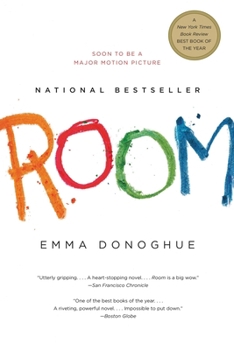
I just finished the book The Room. Without spoiling too much, it’s about a woman who is captured and kept locked up in an 11 foot by 11 foot room with her five-year-old son who is born into captivity.
It is a good book. The most interesting part is that it’s written from the perspective of the five-year-old.
At the end of the book there was a “Reading Group Guide” with questions to consider. One of them was, “Why do people tend to be so fascinated by stories of long-term confinement?”
I pondered this a bit. The obvious answer is that our freedom is so precious to us, we can’t imagine something so terrible, so we’re drawn to it. Like watching a train crash or the modern true crime craze.
There is a longer answer, though.
Our freedom, our agency, is the most important thing in the world to each of us. Our ability to choose and make our own choices is more important to us than anything. It’s more important to God than anything, also. That’s why we’re here.
I think this fascination with confinement and the inability to choose is a fascination with something we know to be inherently wrong.
Every one of us here on earth chose to come here, to Earth. There were some who didn’t choose this. There was one that tried to take away our freedom, to force us to choose his way. He phrased it as a way to save us all, but really, what he was proposing was enslavement. Satan proposed the plan that would have us all return to heaven. The catch was that we would have no say in the matter. We would be compelled to follow him, to do it his way. We would be his puppets. In return, he would ensure we got back safely.
God always wants us to choose.
We even chose to be able to choose. We are here because we chose agency and freedom.
I think that’s why these stories are so fascinating to us. We already chose freedom. Being here on Earth was a choice. God will always give us a choice. Not being given a choice feels wrong because it is wrong.
We already chose to reject Satan and come here and use our agency.
For those who don’t know the show, each season includes independent episodes that usually (but not always) have a futuristic, technological theme.
One of my favorite episodes is called San Junipero.
I don’t love this episode for its ending. I love it for how it makes me think. Funny enough, I watched the episode a second time, 7 years after the first viewing. Usually when something really makes me think, I pull out my phone and start writing down my thoughts.
In 2025 when I rewatched San Junipero, I pulled out my phone to take notes. I found notes I took 7 years prior. I didn’t remember taking those notes. But they fit exactly what I thought 7 years later watching the episode a second time. Good to see I’m consistent. Typing those thoughts out led to this blog post.
In the show, San Junipero is a virtual reality where people can upload their consciousness to live and experience life much like in the real world. In San Junipero, people can eat, drink, laugh, dance, and do seemingly all of the things that you can do in real life.
The main character is named Yorki. Yorki meets a character named Kelly (I hope it goes without saying that there are about to be spoilers for the episode).
Yorki and Kelly start a romance in San Junipero. In San Junipero, everyone is young and vibrant. We learn that in the real world Yorki is an old woman who was paralyzed at the age of 20 and has spent her entire life in a coma-like state. Kelly is an old woman who was given 3 months to live 6 months ago.
We learn that Kelly was married for many years to a man named Richard. Kelly and Richard… well, I’ll let Kelly tell the story.
The episode comes to a climax when Yorki is trying to convince Kelly to stay with her in San Junipero.
This leads to one of the most powerful monologues I’ve ever seen on television. In exasperation and frustration at Yorki’s request, Kelly exploded (you can watch the exact clip on YouTube HERE):
“49 years. I was with him for 49 years. You can’t begin to imagine. You can’t know. The bond, the commitment, the boredom, the yearning, the laughter, the love of it. The *expletive love. You just cannot know. Everything we sacrificed. The years I gave him. The years he gave me. Did you think to ask? Did it occur to you to ask?
“We had a daughter, Allison. Always difficult, always beautiful. Died at 39 years old, bless her heart. And Richard and I, we felt that heartbreak as one.
“You know when he was dying, Rich said to me, when they offered him this, to pass over, pass through, spend eternity in this *expletive graveyard you’re so in love with, he said, ‘How can I? When she missed out, how can I?’ And so he went. And I wish I could believe he’s with her now, that they’re together, but I don’t. I believe they’re nowhere. Just like you said. Gone…
“And now you give me some sales pitch about how *expletive peachy forever could be. You want to spend forever somewhere nothing matters? End up like Wes. All those lost *expletives at the Quagmire trying anything to feel something, go ahead. But I’m out. I’m gone.”
The episode goes on. You see a coffin being lowered into a grave next to Richard’s tombstone. You think that’s the end.
Black Mirror is known for its twists. I love it for its twists. I hated this twist.
Kelly is back in San Junipero with Yorki. She decided not to “pass on.” She stayed in San Junipero. The show plays background music of Belinda Carlisle’s Heaven is a Place on Earth.
While this may seem like a happy ending, the broader implications broke my heart.
Obviously, I’m going to take this from a perspective of faith.
There’s a lot to unpack here and a lot to consider. It’s why, despite my dislike for the ending, it’ s still one of my favorite episodes.
Kelly could have “moved on” and spent an eternity with her husband and daughter. Instead she decided to stay in an artificial world.
What is the lesson here?
Her husband Rich had a particle of faith. Just a mustard seed of faith, you might say. Kelly couldn’t exhibit even that. She said herself, “I wish I could believe he’s with her now.” Wish. She Wishes. She hopes, probably. But she couldn’t believe it. She couldn’t even give real honest effort. She could only wish and hope but she couldn’t believe. According to Kelly Richard didn’t believe, but clearly he tried to. From a faithful perspective, what did Richard get? An eternity with his beloved daughter. What did Kelly get? An eternity in a fake and counterfeit world.
Kelly took the guarantee in front of her. She took what she knew. She chose earth. She chose an existence of “trying to feel alive” over eternal life.
Kelly’s monologue makes mention of a place called the Quagmire. The definition of quagmire is: “a soft boggy area of land that gives way underfoot.” A land that gives way underfoot = unsteady, uncertain, unsure. A sandy foundation.
The Quagmire was a disgusting, sad, pathetic place where people in San Junipero went to party. It was all grotesque acts, cage fighting, drugs – all the worst of the world. Why did so many people in San Junipero go to the Quagmire? A hell-hole of debauchery? Kelly in her monologue pointed out the reason the living souls of the dead in San Junipero went there. Why would they go to somewhere so horrible? Just to try to feel alive.
This is another eternal point to consider. The Quagmire clearly represented hell. Hell is a lack of progression. Hell is a lack of purpose.
What is life without purpose? What is your purpose?
Kelly chose a fake world. Will her life there be happy? Maybe. It might even be amazing, from an earthly perspective.
We know that people really will make this choice. When some die, they can’t enjoy an otherworldly experience because they are too attached to this world. It’s the reason Jesus said to leave all earthly things behind and seek after eternal things. There is so much in store for us if we can just seek it out. Some will choose this world and this life because they can’t garner the faith to hope for something so much more.
For those that want a greater blessing, there will be an eternity of love and joy, and things we can’t even begin to wrap our minds around – amazing, spectacular, fantastic things. But if we get too stuck in this world, we’ll miss the opportunity for that so much more.
The fictional Richard hoped for so much more. He wished for so much more. He believed it just enough that he received it. A blessed existence for eternity with his daughter.
I so wished the show would have taken an “eternal perspective” for once. But alas, it is a show of the world.
I’ve written before about Tolkien’s uncanny parallels to what the Church of Jesus Christ of Latter-day Saints knows to be true due to modern revelation. These truths include information on the premortal life, Satan, and the afterlife.
I just started reading The Silmarillion by J.R.R. Tolkien. It is a book whose tale pre-dates The Lord of the Rings Trilogy and even The Hobbit. It is the origin story of Middle Earth.
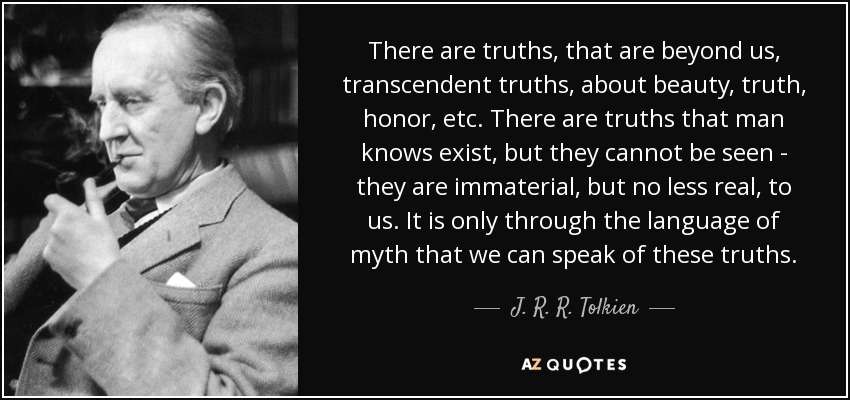
The preface to The Silmarillion includes a letter Tolkien wrote to his editor. In the letter Tolkien is trying to explain why The Silmarillion and the Lord of the Rings trilogy should be released together as their saga is intrinsically linked. Something Tolkien said in that letter struck me. He said, “[The mere stories] arose in my mind as ‘given’ things, and as they came, separately, so too the links grew. An absorbing, though continually interrupted labour… yet I always had the sense of recording what was already ‘there’, somewhere: not of ‘inventing’.”
J.R.R. Tolkien was known to be a devout Christian. So I find it no surprise that his soul seemed to speak of things already known, deep in his being, that he expressed through his writing.
I find that statement especially fascinating given the parallels to eternal truth Tolkien touched on as I already referenced. I’m going to note some of those truths I’ve found in The Silmarillion. This list, I think, could go on and on nearly endlessly, but I will list out the few that made me literally stop reading, come to my computer, and note down:
It is a well known fact that Tokien was a religious man who was pulling from religious traditions into his writing. I think it is clear that he had a sense of more. I would consider that his spirit telling him things his mind had no way of knowing. We did come from somewhere. We are here for a reason. We are going somewhere. There are too many eternal truths in his writings. Someday I’ll likely re-read the Lord of the Rings Trilogy, books I haven’t read since I was 11 and 12, to see what more I can pull from those great books as an adult.
(Page 16 of The Silmarillion) “Manwe (Jesus Christ) and Melkor (Satan) were brethren in the thought of Illuvatar (God). The mightiest of those Ainur (first children of God) who came into the world was in the beginning Melkor; but Manwe is dearest to Illuvatar and understands most clearly his purposes. He was appointed to be, in the fullness of time, the first of all Kings: lord of the realm of Arda (Earth) and ruler of all that dwell therein.”
Wow, there are many parallels here.
(Page 36) (Note also that Elves and Men are often referred to in this mythology as the sons of Illuvatar (God)). The book talks about how death is given to men as a gift from Illuvatar (God). Whereas the elves are immortal on earth, men die. “But illuvatar knew that Men, being set amid the turmoils of the powers of the world, would stray often, and would not use their gifts in harmony; and he said: ‘these too in their time shall find that all that they do redounds at the end only to the glory of my work.’ Yet the Elves believe that Men are often a grief to Manwe (in this analogy, Manwe=Christ), who knows most of the mind of Illuvatar (God); for it seems to the Elves that Men resemble Melkor (Satan) most of all the Ainur, although he has ever feared and hated them, even those that served him.
This is fascinating because despite us being most like Satan (rebellious, stubborn, prone to anger and hatred, greedy, desirous of power, desirous of honor), he still fears us because we have bodies and have the potential he will never have. And even when we follow and serve Satan, he still hates us. This is just like in the Lord of the Rings mythology where men are looked at as a burden to God, but loved by Him. Melkor doesn’t trust man even when they serve him.`
(Page 36) “It is one with this gift of freedom that the children of Men dwell only a short space in the world alive, and are not bound to it, and depart soon whither the Elves know not… But the sons of Men die indeed, and leave the world; wherefore they are called the Guests, or the Strangers. Death is their fate, the gift of Illuvatar, which as Time wears even the Powers shall envy. But Melkor (Satan) has cast his shadow upon it, and confounded it with darkness, and brought forth evil out of good, and fear out of hope.
It is a gift that we dwell on Earth for a short time. Our reward after earth life is unimaginable. Satan tries to make death seem like a bad thing, casting his shadow upon it. We should remember that death is not evil and nothing to fear. It is a gift.
(Page 96) Curse of Noldor for slaying their brethren. “’Ye have spilled the blood of your kindred unrighteously and have stained the land of Aman. For blood ye shall render blood, and behold Aman ye shall dwell in Death’s shadow. For though Eru appointed to you to die not in Ea, and no sickness may assail you, yet slain ye may be, and slain ye shall be: by weapon and by torment and by grief; and your houseless spirits shall come then to Mandos. There long shall ye abide and yearn for your bodies, and find little pity though all whom ye have slain should entreat for you. And those that endure in Middle-earth and come not to Mandos shall grow weary of the world as with a great burden, and shall wane, and become as shadows of regret before the younger race that cometh after. The Valar have spoken.’
There are elves in the mythology that commit the first murder of their own kindred. They are punished by having their spirits go to Mandos, keeper of the underworld, after their deaths. “There long shall ye abide and yearn for your bodies.” This is a truth of the Plan of Salvation that when men die, they go to spirit prison or spirit paradise and look at the absence of their body from their spirit as a prison. Also, the ties to the first murder in the Bible and the curse of Cain are obvious.
(Page 109) “And they mourned not more for the death of the Trees than for the marring of Feanor: of the works of Melkor one of the most evil. For Feanor was made the mightiest in all parts of body and mind, in valour, in endurance, in beauty, in understanding, in skill, in strength and in subtlety alike, of all of the Children of Iluvatar (God), and a bright flame was in him. The works of wonder for the glory of Arda (Earth) that he might otherwise have wrought only Manwe (Christ, God of earth) might in some measure conceive. And it was told by the Vanyar who held vigil with the Valar that when the messengers declared to Manwe the answers of Feanor to his heralds, Manwe wept and bowed his head.”
This is talking about one of the earliest elves, Feanor. Feanor was deceived by Melkor and ultimately his pride led him to swearing an oath to do anything to reclaim the silmarils he had crafted. This led to many misdeeds. This made me think of Satan, a “morning star that fell.”
Also, this part talks about how the greatest evil Melkor (Satan) committed was lying, deceiving, and ultimately turning the path of Feanor to evil. The most evil work of Satan on this earth is turning the hearts of men to do evil when they could have done so much good. How many are there out there that could have been great bringers of peace, creators of beauty, uniters of the human race, that Satan destroyed?
(Page 325) – Sauron in deceiving men tells them that the Valar have deceived men by putting forth the name of Eru (God). That they speak for Eru. He says Eru is a phantom, putting the power in the Valar’s hands. Then Sauron says, “But he that is their (the Valar) shall yet prevail, and he will deliver you from this phantom (God); and his name is Melkor, Lord of All, Giver of Freedom, and he shall make you stronger than they.”
Isn’t this the strategy of Satan today? There is no God. Those who speak for him (prophets) only speak in His name to get their own power. This is what Satan tries to get people to believe. There is one that you can follow who will give you freedom and power – yourself. In this analogy, I think Melkor is us. When Satan denies God, he usually doesn’t bring himself into it. He tells men that they are Gods and need no God. He tells us that we can find freedom and power in our own devices. Satan’s prevailing strategy today is telling the world there is no God.
(Page 334-335) – men become so proud that they deny God and go to war against the Valar. It says that Manwe (the King of earth) “called upon Iluvatar, and for that time the Valar laid down their government of earth.” It says that Illuvatar changed the world with a chasm, water, and smoke, and the world was shaken.
This sounds like a description of the end of times when all the unrighteous turn from God and rebel against Him. They will be destroyed.
There is a scene during the destruction of Numenor, a city that rebelled against the Gods, that describes a Queen of the people who, “Too late she strove to ascend the steep ways of the Meneltarma, to the holy place; for the waters overtook her.” The Meneltarma was the temple they had built to Illuvatar (God) and that had been neglected and ignored for decades. As floods started to come into the city, she tried to go to the temple but it was too late for the Queen. She had neglected the temple and God for too long. Once hardship befalls man, it’s too late to then try to cry out for help and worship God. This is the parable of the 10 virgins put right into the Lord of the Rings mythology.
This is why I love reading! Everything denotes that there is a Christ. Beauty and truth can be pulled from almost any book. Everything I read gives me some new perspective or something new I hadn’t before considered. It’s also why I like writing. The greatest invention in the world was writing. Before I digress, let me close this post. I love Tolkien’s writing. Go read something great today.
*Originally written 4/19/2022, edited for posting in 2025.
I was having a discussion with my mom a frew years ago about the trend in China of younger people not wanting to have children. We talked about this trend spreading through society. This trend of young people wanting to enjoy travelling, free time, more financial freedom, and therefore, choosing to not start families or have children.
I watched an episode of a show recently. In the show, there is an extremely wealthy and powerful couple. They put off having children. The wife has gotten older and it may be too later for her to have children, but she’s thinking about children. She has a conversation with her husband. In the conversation she says, “Why have we built all this, what is it for?” And he replies, “It’s for us, we built it for ourselves.” She responds, “But if one of us dies…”
She hit on something there. If you only build in this life for yourself, and if at some point you die, what did you really build it for?
Back to that conversation with my mom years ago, we talked about how this is a sad level of selfishness spreading. How much can I travel, how much freedom can I have, how much money can I have for myself, with children being only a burden that take these things away from us. Now, of course, there are those who can’t have children and don’t have a choice. This doesn’t apply to someone in that situation at all. I’m talking about all the people my age that have decided a child isn’t worth their time, because their life is more important.
Until you give your life for another, you never truly understand your capacity to love. Until you open yourself up to the love and selfless life that is caring for a child, “selfless” is just an adjective.
I was on a long road trip with Beth and Ivy and so I was sitting in the back seat to give Ivy company. This was before Sage and Wren entered our lives. A song started playing. I was leaning over, staring right at Ivy. The lyrics of this song are meant to describe the heartache of a breakup. But as I listened to the words and applied them to the love I felt for my daughter whom I was staring at, the lyrics took on a whole new, eternal, and powerful meaning to me. For those words to take on the meaning they did, I had to apply them in a dark and sad way. I imagined what would happen if I ever lost Ivy (tears come to my eyes as I type those words). Bear with me. The topic will not stay sad and morbid.
The lyrics were from a song called Breakeven by The Script:
I’m still alive but I’m barely breathing Just prayin’ to a God that I don’t believe in ‘Cause I got time while she got freedom ‘Cause when a heart breaks no it don’t break even
Her best days will be some of my worst
…
While I’m wide awake she’s no trouble sleeping
‘Cause when a heart breaks no it don’t break even, even, no
What am I supposed to do when the best part of me was always you? And What am I supposed to say when I’m all choked up and you’re OK? I’m falling to pieces, yeah I’m falling to pieces
They say bad things happen for a reason But no wise words gonna stop the bleeding ‘Cause she’s moved on while I’m still grieving And when a heart breaks no it don’t break even, even, no
And what am I going to do when the best part of me was always you? And What am I supposed to say when I’m all choked up and you’re OK? I’m falling to pieces, yeah I’m falling to pieces, yeah I’m falling to pieces (One still in love while the other one’s leaving) I’m falling to pieces (‘Cause when a heart breaks no it don’t break even)
What am I gonna do when the best part of me was always you? And What am I suppose to say when I’m all choked up and you’re OK? (Oh glad you’re okay now) I’m falling to pieces yeah I’m falling to pieces (oh, I’m falling, falling) yeah I’m falling to pieces (One still in love while the other one’s leaving) I’m falling to pieces (‘Cause when a heart breaks no it don’t break even)
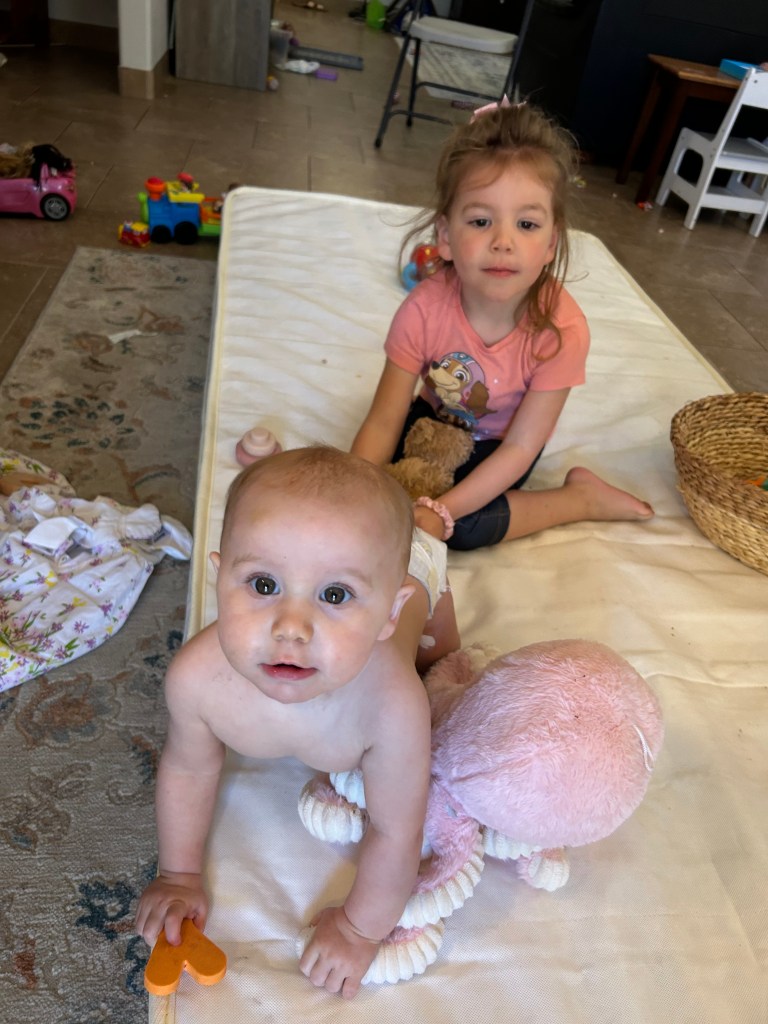
While preparing to post this, Wren crawled to my chair and pulled herself to stand at my feet. I decided to experiment if this song is still emotional when considered in this twisted context I’ve applied to it. Yup, still tears. I only let myself brush the very edge of the surface of this hypothetical.
I can’t imagine the pain of losing a child. I can not. “What am I going to do when the best part of me was always you?”
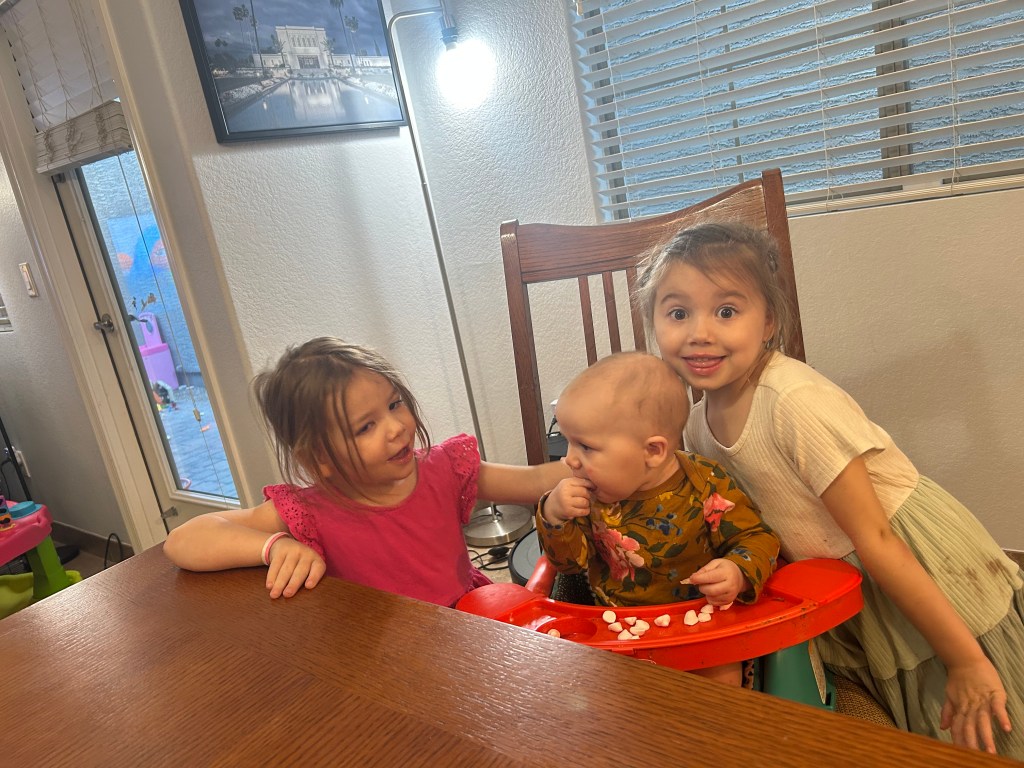
I think the most difficult thing that could happen in this life is losing a child and my heart breaks at the mere thought of it. I feel for anyone that has to endure that pain. Just reading those lyrics, considering what I was writing 3.5 years ago, my chest started to ache at the thought. What I wrote here applies more than ever now that I have 3 daughters who I love more than life itself.
“I’m still alive but I’m barely breathing.”
“Just praying to a God that I don’t believe in.” This would ever happen to me. But I can see how it would for so many in this world. Which makes me sad. And is why I’m writing this.
“’Cause I got time while she got freedom” – I’m stuck in time while she would be free.
“Her best days will be some of my worst” – The best days for our loved ones, their return home, to heaven, is often the worst days for those left behind.
“While I’m wide awake she’s no trouble sleeping”
“They say bad things happen for a reason But no wise words gonna stop the bleeding ‘Cause she’s moved on while I’m still grieving And when a heart breaks no it don’t break even, even, no
And what am I going to do when the best part of me was always you? And What am I supposed to say when I’m all choked up and you’re OK? I’m falling to pieces, yeah.
This discussion with my mom, that moment with Ivy in the car, and these thoughts originally happened over Easter weekend three years ago.
Without the resurection, the lyrics of this song would be perfectly true. It would be impossible to go on from that sort of tragedy. But the resurection is real. Jesus Christ did conquer death. I know that Jesus Christ was resurected and that myself and my family will be resurected.
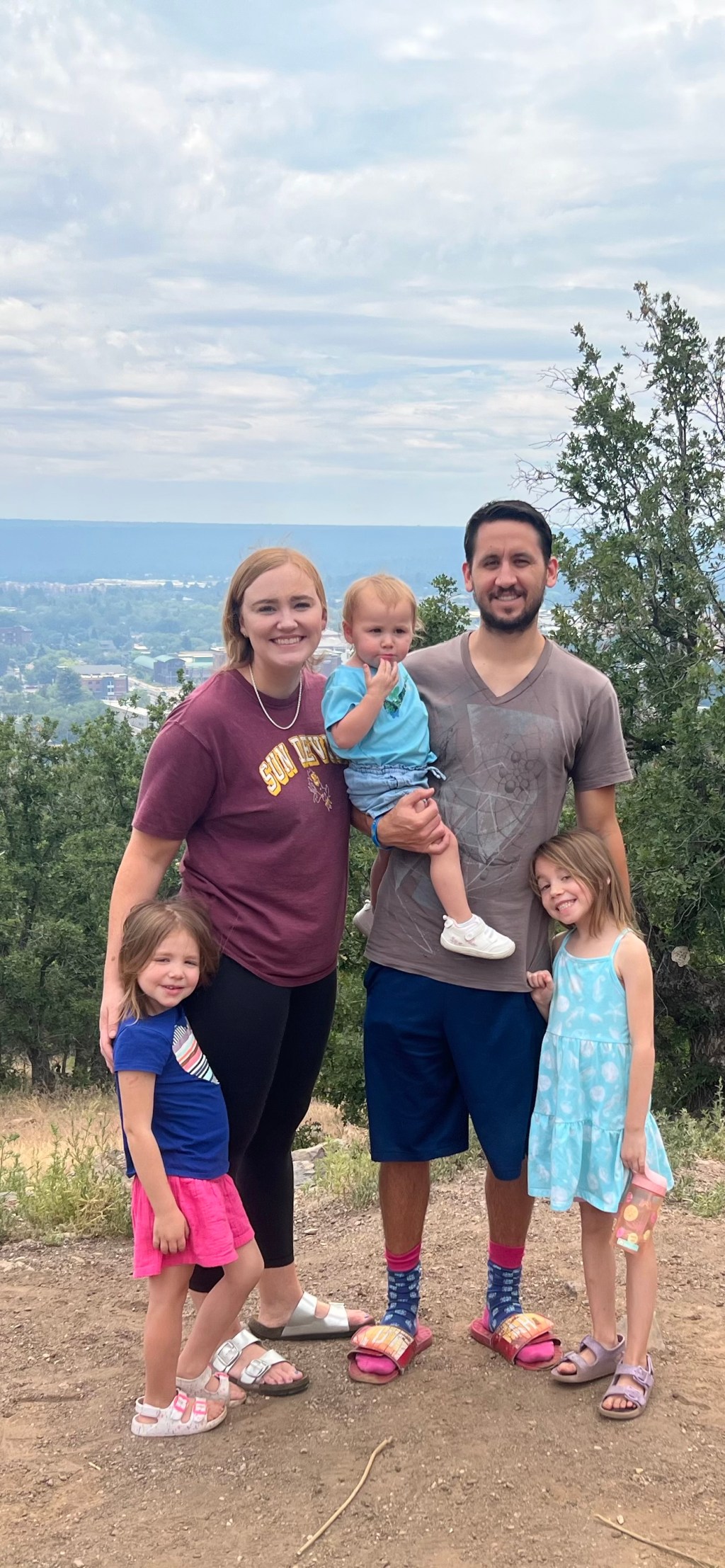
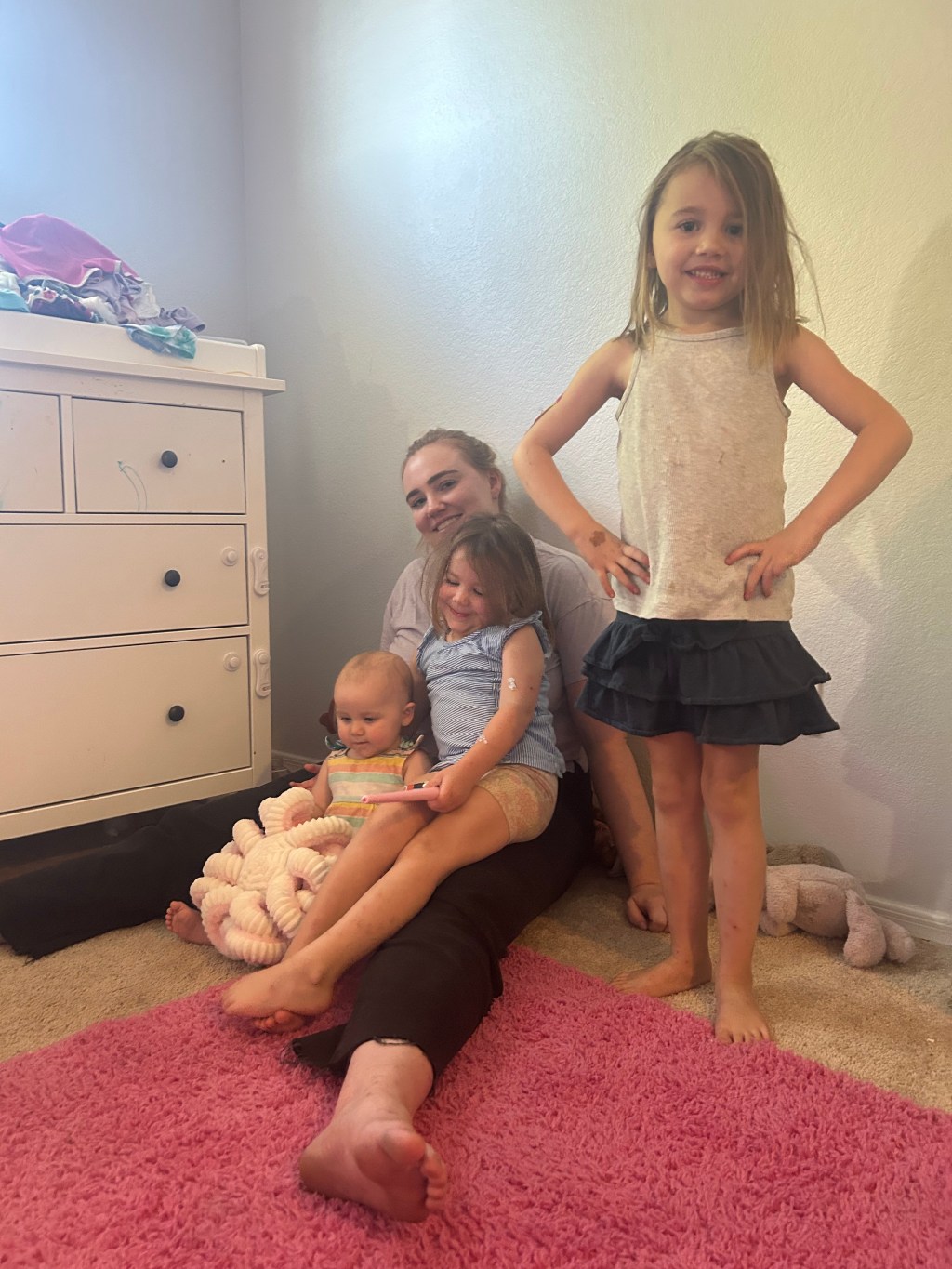
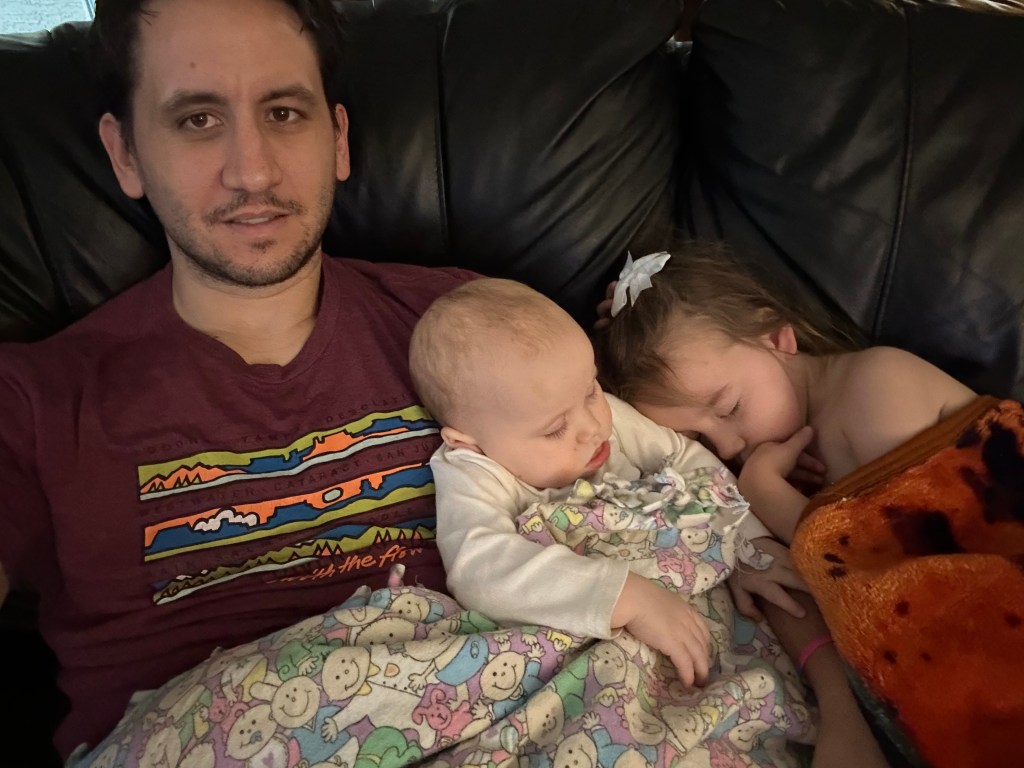
I can’t believe that I will ever be without Ivy, Sage, Wren, and Beth for too long a period of time. This life is but a blink in eternity. I look at them, and the love I have for each of them, I know the God I love would not allow this level of love in my heart, and then not allow me to be with them forever. It makes me sad that much of Christianity does not have the truth restored through Christ’s true gospel that families can be together forever. I know that Ivy will be mine for eternity. I know that Sage will be mine for eternity. I know that Wren will be mine for eternity. When I’m 100 and Ivy is 70, she will still be my daughter. When I leave this world and she stays, she will still be my daughter. When we both have left this life, she will still be my daughter.
To all those who might be reading this, and I’ve drudged up memories and feelings you have tried to suppress, to all those thinking about the loved one you so desperately miss now, my message to you is of hope.
I know that Christ suffered all of my sins so that I could be forgiven for them and overcome death through His blood and grace. I know that Christ conquered death and was resurrected, so that my family and I can be resurrected. I know that we will live together again as a family unit, because of what He did for me. This is why (though I always fall short) I’ve tried so hard to give everything to Him – my heart, my time, my love, my devotion, my life – because He already gave me everything that means anything.
I say with any authority I can muster, with full confidence and faith in the Plan of God: You will see your loved ones again. The ones that make you fall to pieces, the ones that just thinking about choke you up, the ones that make you feel alive but like you’re barely breathing, the ones you don’t know if you can live without because they were the best part of you: You will see them again.
I am thankful for these truths that have been restored. I’m grateful to know that whatever happens in this life or the next, Ivy, Sage, and Wren will be mine, and I will be theirs. Forever. This goes for Beth also. Because of Jesus Christ we will be together forever. And my love for Him is inexpressable when I consider what He’s done for me.


 No Coincidences