Tag: protection

  • A Miracle that Changed the World

    A Miracle that Changed the World

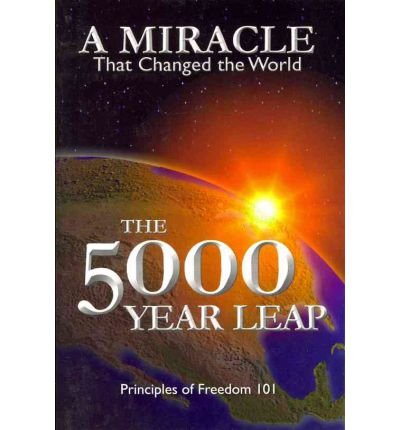
    These are thoughts from a book I read recently called A Miracle that Changed the World. It was an awesome book that laid out just how spectacular the establishing of America was. This was a section of the book I had some thoughts on. I’m quoting sections of the book with my thoughts.

    p. 52:

    The Tide of Reform

    “Many Americas became extremely self-conscious about their lack of “public virtue” because of non-involvement in the affairs of government. They began to acknowledge their obsession with self-interest, the neglect of public affairs, and their disdain for the needs of the community as a whole. Gradually, a spirit of “sacrifice and reform” became manifest in all thirteen colonies.”

    This occurred in America in the couple of years leading up to the Declaration of Independence being signed. Is it any coincidence that a spirit of sacrifice, public virtue, and selflessness preceded the greatest revolution in the history of the world and the rise of the greatest nation ever to exist on earth? God needed a self-sacrificing and humble people to inherit the new world. When they exhibited these qualities, they became His chosen people to enact this major event. This led to a revolution and the freedom from tyranny that allowed the explosion of religious freedom that God planned, that couldn’t have happened under the rule of a monarchy. It started with sacrifice, service, and humility.

    “In the eyes of the Whigs, the two or three years before the Declaration of Independence always appears to be the great period of the Revolution, the time of greatest denial and cohesion, when men ceased to extort and abuse one another, when families and communities seemed peculiarly united, when the courts were wonderfully free of that constant bickering over land and credit that had dominated their colonial life.”

    Two things especially stand out to me from that statement –

    1. “families and communities seemed peculiarly united.”
      • From the Family Proclamation: “We call upon responsible citizens and officers of government everywhere to promote those measures designed to maintain and strengthen the family as the fundamental unit of society.”
      • As the fundamental unit of society, strong families make for strong society. No wonder Satan has so adamantly attacked the family. Look at divorce rates, look at what has happened to the American family. The dismantling of families is the the beginning of the downfall of a great society, and we’re seeing it happen right before our eyes.
    2. “the courts were wonderfully free of that constant bickering…”
      • Could the 13 original colonies have broken from the greatest world power at that time, colonies v. Greatest World Power, if they were busy bickering amongst themselves? It took unity for the freedom of America to be established.
      • D&C 38:27: “be one; and if ye are not one ye are not mine.”

    This is what we need – Americans to become self-conscious about how selfish we’ve become. This is the eternal principle of unity. America needed to be united under one cause and one heart before they could break free from tyranny. God wants us to be one. What has happened to that unity?

    I read in a Doctrine and Covenants commentary how early church members, going back to the very earliest days of the church, were advised to avoid courts. It was said that if a dispute couldn’t be resolved by arbitration, then there was discord and discontent too strong amongst the parties, and they needed to evaluate what they truly valued. One early church leader, Oliver Cowdery, was chastised for becoming too involved in the courts, and it ultimately began to descent towards his excommunication.

    “When Oliver moved to Missouri in 1837, he sought to alleviate personal debts by starting a legal career. Witnesses testified that Oliver had urged people to sue others in court who “fired guns in town,” who broke “the Sabbath day,” he “frequently solicited for business in collecting debts,” and “urge[d] on lawsuits with others.””

    There can’t be unity where there is constant bickering and lawsuits. Those needed to be removed from public standards before the 13 colonies could think to stand up against Britain.

    The book continues:

    “How the Moral Reform Accelerated the Revolution

    “Many Americans became so impressed with the improvement in the quality of life as a result of the reform movement that they were afraid they might lose it if they did not hurriedly separate from the corrupting influence of British manners. They attributed this corruption to the monarchal aristocracy of England. Even Americans such as John Jay, Robert Morris, and Robert Livingston were beginning to see that the people were exhibiting a potential capacity for virtue and morality which would guarantee the success of a free, self-governing society. Therefore, it became popular to express the sentiment that the sooner they became independent the better” (emphasis added).

    The underlined portion is the part that stood out to me. Imagine if society today could be said to have such a high standard of virtue and morality. This is what guaranteed the success of the United States: A virtuous and morally upright people. This is why they could self-govern themselves, because they self-governed in righteousness. Imagine describing our society like that today – excess of virtue and morality.

    The definition of virtue is “behavior showing high moral standards.”

    The definition of morality is “principles concerning the distinction between right and wrong or good and bad behavior.”

    We couldn’t be farther from such a standard. We’ve gone so far off the path that we have reversed morality so that right is wrong and wrong is right. We have molded morality to be what we want it to be. The early Americans who established this nation were moral and upright in all their dealings, which allowed them the honor of being the people to establish the most free, most righteous, and most powerful nation in history. Freedom and righteousness are power.

    Another motivating factor for the colonies wanting freedom from England was to avoid developing all the negative attributes of the British.

    “British influence was already taking its toll. One alarmed American wrote, “Elegance, luxury and effeminacy begin to be established.” David Ramsay declared that if Americans had not revolted “our frugality, industry, and simplicity of manners, would have been lost in an imitation of British extravagance, idleness and false refinements” (emphasis added).

    America has gotten closer to extravagance, idleness, and false refinements than frugality (look at our national debt), industry (look at our bail outs), and simplicity (look at social media).

    It’s time for unity in America. It’s time for virtue and morality. It’s time to protect and re-establish the importance of the family. It’s time to return to frugality, industry, and simplicity. If America can return to these values, maybe it stands a chance to stay a chosen nation and be protected from the tribulations that are to come.
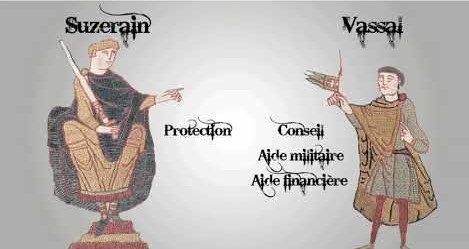

  • Suzerain and Vassal: The Father and the Son

    Suzerain and Vassal: The Father and the Son

    Mosiah 15:1-2 reads:

    1 And now Abinadi said unto them: I would that ye should understand that God himself shall come down among the children of men, and shall redeem his people.

    2 And because he dwelleth in flesh he shall be called the Son of God, and having subjected the flesh to the will of the Father, being the Father and the Son…

    How can Christ be both the father and the son? It’s a question that has troubled Christianity since before it was called Christianity. How can there be the one true God (Jehovah) and yet Jesus Christ (Jehovah) pray to His father who is in heaven?

    How can Christ be both the father and the son? Well, how are you, reading this a father (or mother) and a son (or daughter)? Sometimes we might overcomplicate the simplest things.

    In the ancient near east there existed a system wherein covenants could be made. That system could be described as a Suzerain Vassal covenant or treaty. In this sort of agreement one of the parties would be greater or more powerful than the other. The suzerain would be the powerful entity. The vassal would be the subservient, or lesser, or learning entity. In this sort of treaty, the vassal would pay tribute or show some form of loyalty to its suzerain. In return, the suzerain would provide protection or some other sort of benefit to its vassal. There could only be one suzerain/vassal connection. Meaning, a vassal couldn’t have two suzerains. This would basically be treason. You can only serve one lord.

    From this article on the suzerain/vassal covenant relationship:

    “The covenant Yahweh established with Israel at Mount Sinai exhibits striking parallels with Hittite suzerain/vassal treaties, which had six basic features: 1) a preamble that identifies the suzerain; 2) a historical prologue that recounts the previous relationship between the parties; 3) covenant stipulations to which the vassal must agree; 4) provisions for periodic reading and safekeeping of the covenant; 5) witnesses to the covenant; and 6) blessings and curses should the vassal either keep or fail to keep the covenant. The Sinaitic covenant contains all six of these characteristics.”

    In his book, The Last Days: Types and Shadows from the Bible and the Book of Mormon, Avraham Gileadi states:

    “the idea of Israel’s suzerain or Lord [Jehovah] assuming vassal or servant status in order to answer to his suzerain [God the Father] for his people’s rebelliousness introduces the concept of a God higher than Israel’s God. That is, Jehovah, the God of Israel, is a “Son” to God the “Father” (3 Nephi 11:7,11,32; compare 15:4-5). That concept does not appear explicitly in the Old Testament. Many Jews, therefore, insist that God is but “one” (Hebrew ehad; Deuteronomy 6:4); other than the Lord, they assume, no God exists (see Isaiah 44:6,8; 45:21-22). However, the idea of “the Father” and “the Son” makes perfect sense in light of ancient Near Eastern suzerain (Lord)–vassal (servant) covenant relationships.

         “Abinadi (and every prophet who teaches God’s redemption of humanity) here enlightens us. Abinadi says that God, who redeems his people, is both “the Father and the Son” (Mosiah 15:1-3; compare Alma 11;38-39; Ether 3:14). That abstruse statement seems at first glance to contradict the careful distinction between the Father and the Son that other scriptures teach. But when viewed from the ancient Near Eastern suzerain (lord)–vassal (servant) covenant relationship, we gain insight on how the Lord can serve as a suzerain or Father to his people Israel, but also can serve as a vassal or Son to his Father or suzerain. To Israel, the Lord is Father, and they become his sons or vassals. To God the Father, the Lord is the Son, subjecting his will to the Father in order to merit Israel’s salvation (Mosiah 15:2,7).

         “Moreover, as the literal and loyal Son of a divine Father–as the Son of a righteous [covenant suzerain “Father”]–the Lord is not subject to death unless he himself consents to die (See the type of Isaac’s consenting to let Abraham sacrifice him–Genesis 22:9) Even if he does die, the Father must come to the aid of his vassal and deliver his Son from death. In ancient Near Eastern literatures there is the concept of the god who dies only to revive and assume the throne of a senior deity. Thus “God breaketh he bands of death . . . giving the Son power to make intercession for the children of men” (Mosiah 15:8). What the Father does for the Son, the Son does for his sons and daughters: when “the Son reigneth, and hath power over the dead . . . he bringeth to pass the resurrection of the dead” (Mosiah 15:20).

         “Moreover, the moment one introduces the idea of the Father and the Son, one also introduces the concept of spiritual progression. That constitutes as much a part of the “good news,” or gospel, as does redemption from death itself (see Mosiah 15:10-19). Inherent in a Father/suzerain–Son/vassal relationship with God is the assuming of divine attributes–becoming God-like…”

    So we see that this Near Eastern tradition of suzerain and vassal treaties and covenants perfectly aligns with how we relate to Jesus Christ. He is our suzerain, making us His children. God is His suzerain. Through our covenant relationship with Christ, we receive protection from both Christ and His Father and our Father, God the Father.

    Another interesting thought from that note is how Christ conquered death. It was by His relationship with the Father that He was able to conquer death. He in turn allows us the same opportunity when we link ourselves to His will and power. Christ received His divine identity from His Father. We can receive our divine identity through Jesus Christ’s Atonement and conquering of death. This is why we only come to the Father through the Son. Christ is our protector, our Suzerain. As we serve Him, we receive that protection as His vassals.

    In addition, another way that Christ is our father is through the resurrection. It is due to Christ’s atonement and resurrection that we are able to be resurrected. This makes Christ the father of our bodies. For we wouldn’t have our bodies without His resurrection and the gift that we can be resurrected into our bodies. God the Father is still the father of our spirits. Whether that be through adoption, some measure of creation, or some other way, we’ll one day know.

    A last note I wanted to make that I liked from this article:

    “The basis of the covenant was Yahweh’s gracious acts toward Israel, not their obedience to him.”

    Our covenant relationship with Christ is a reminder that His grace saves us. It doesn’t matter how obedient we are. We needed His grace to save us. As our Suzerain, His covenant with us is based so much more on how He loves us and all He is willing to do for us than anything we can do for Him. We can never properly repay Christ for all He’s done for us. He is the Suzerain. He has the power to save us.

    This is the good news of the Gospel. Because Christ conquered all, we can become like Him, and in turn, become like our Father in Heaven.

  • We’re Being Watched

    We’re Being Watched

    Beth just said something that gave me the heebie-jeebies, even though it’s something we already know, and unfortunately, are starting to accept.

    Beth said, “You know what I just realized?  Whenever we watch YouTube TV kids shows, all of the ads are super girly stuff.  They totally know we have a daughter.”

    They.

    Remember in the good old days when we would have conversations about skiing and then ski gear would show up as an ad on our phone/computer/device?  Do you remember when we transitioned from “wow that’s really weird…” to “are they listening to me?…” to “oh they’re listening good.”

    That last part came after it became public knowledge that our mics and search history and everything about us was being turned into marketing and advertisement data. 

    This will be a short post.  Re-read the end of The Social Dilemma where i discuss how to protect our families from becoming too attached to our devices. Also re-read The Social Dilemma part 2 and consider what we can do to protect ourselves and our families from advertisers. Be wary of what is happening to our children.  They are growing up in a world where MY TV knows I have a girl and is targeting her before she can even walk.  If that doesn’t scare you, at least a little bit, it should.

    Be cautious about what we expose our kids to.  Be cautious about what we post and share.  Protect them. 

    I know in this world it’s impossible for “them” to not know I have a daughter by now.  I know there’s only so much we can do.  But what I can try to control is how she is influenced by their advances.  I will do my best for my whole life to protect Ivy against targeted advertising and the influences of the media on her growing mind.

  • Drugs

    Drugs

    *Author’s note:  I asked Beth to proofread this before sharing.  I put off posting it for weeks because of my hesitation in sharing something like this about my past.  Beth’s response, “Why wouldn’t you share it?  It’s what got you here.”

    “Cocaine takes your soul.”  A statement I heard a while back on a podcast.

    I’ve long wanted to write a “drugs” post, but I haven’t known how to approach it. It was a big step for me to start sharing publicly about how I used to drink.  Now I use my past experiences with drinking to understand the struggles others can have because I’ve been there.  It makes me really uncomfortable to share something like, “I used to do drugs.”  Vulnerability, uncertainty at how people I love will take this information, Ivy reading this one day… Admitting something like that was never something I thought I’d do.  But Beth’s comment was right.  Those choices led to where I am today, so why not share it?  If I’ve truly changed, why do those past decisions matter that much?  If I truly believe Christ has washed away my sins through His Atonement, what am I hiding?  Maybe somebody can benefit from my experience. 

    So, before I continue, let’s get this part out of the way: All my LDS friends and family take your moment to *gasp.  All my college friends and family take your laugh (that some of my friends and family never knew this about me).

    I bounced back and forth with writing a generic, boring post about how drugs are bad.  Really, we’ve heard that before.  What can really make a difference, I think, is my personal experience with drugs.  In the Church (of Jesus Christ of Latter-day Saints), along with other churches, I think talking about past drinking or drug use is pretty taboo.  It’s like many other topics I want to write about and haven’t yet addressed.  Where I come from, how I was raised, I kind of adhere to the ‘pretend like it doesn’t exist’ camp.  Drugs?  How about we not discuss it. 

    But then recently my 13-year-old brother mentioned a kid coming to his soccer practice clearly high.  First thought, “My youngest brother is exposed to weed already????”  Then I realized, he’s 13, of course he’s exposed to it.  I know a lot of kids that started experimenting with drugs at 13.  It’s crazy to think my youngest brother is 13.  It’s crazier more to realize it when he talks about the drug use around him.  Drug use is happening.  In the world we live in today, it’s more prevalent than ever.  If we stick our head in the ground, refuse to talk to our kids about it, and pretend like it’s not happening, someone else is talking to them about it.  News flash parents:  Your most sheltered latter-day saint babies have seen, heard of, been around, and maybe even experienced drug use.

    If I was seeing it in 2003 (I’m old), you better believe 13-year-olds are seeing it in 2021.  Recently I drove down a street in Las Vegas near my old home.  A street I’d driven down many times.  I did a double take when I passed what I can only describe as a big, bright, pot emporium.  Drugs are becoming mainstream.  A scary thought.

    So what are my experiences with drugs?

    First let me say, I was lucky that drugs never quite became like alcohol for me.  I don’t think drugs ever controlled me the way alcohol did.  I think part of that is luck in never trying the wrong substance.  There was a time when I was on a precarious cliff, one wrong step could have led to debilitating and life destroying addiction. 

    I’m going to try my best to be as ambiguous as possible about my drug use for obvious reasons.  By that I mean, I’m not going to tell you what drugs I have done (it’s not many).  But sometimes I may be clear about drugs I haven’t done.  For example, I never tried cocaine.  I had to say that since you’ve probably been wondering that since you read the first line. 

    What’s my experience?

    From a very young age I was aggressively opposed to any substance I believed was bad.  Legend has it I used to pour out my mom’s Coca Cola’s.  Growing up I always said I would never drink alcohol.  When asked I would say it was due to my faith and the Word of Wisdom.  The Word of Wisdom, for those who don’t know, is guidance provided by the Lord to Joseph Smith in 1833 about what should and should not be put into the body.  Over the years the Word of Wisdom, as followed by many members of the Church of Jesus Christ of Latter-day Saints, has adapted and changed.  This is a natural occurrence.  Joseph Smith wasn’t yet warned about vape pens and methamphetamines in the 1830s.  I encourage everyone who wants to learn more to read Doctrine and Covenants Section 89.

    My excuse for not drinking or partaking in drugs was always the Word of Wisdom.  Like I said, from a very young age I remember taking that guidance very seriously.  As I grew up, and my church activity waned, that excuse changed to, “I’m an athlete.”  In high school “no thanks” seldomly worked.  You needed a reason.  Similar to Happy Hours across the country today, most of the time you can’t just say no.

    So what happened when I had neither?  What happened when my church activity was zero and I was no longer an athlete after high school?  It’s amazing how soon after losing those two identities that I waivered on this principle I had stuck so firmly to.

    I still remember my first sip of alcohol.  It was a big moment.  We laugh at the joke that meth addiction starts with one puff or one sip, but doesn’t it?  Of course, there are exceptions, but would someone who has never had a sip of alcohol try a harder, more dangerous substance?  Usually not. 

    What happened after I’d taken one sip?  Well, my excuses of church and basketball were no longer existent, I no longer had my shield against peer pressure.  It’s no wonder when I went off to college for the first time I started drinking, then trying other stuff. 

    I was never a big drug user, as previously stated.  Most of what I tried wouldn’t even be considered drugs by most people today.  That’s the problem though, isn’t it?  Drugs are drugs.  Marijuana is a drug.  It is habit forming, it changes your focus, it changes what you care about, and ultimately it changes you. 

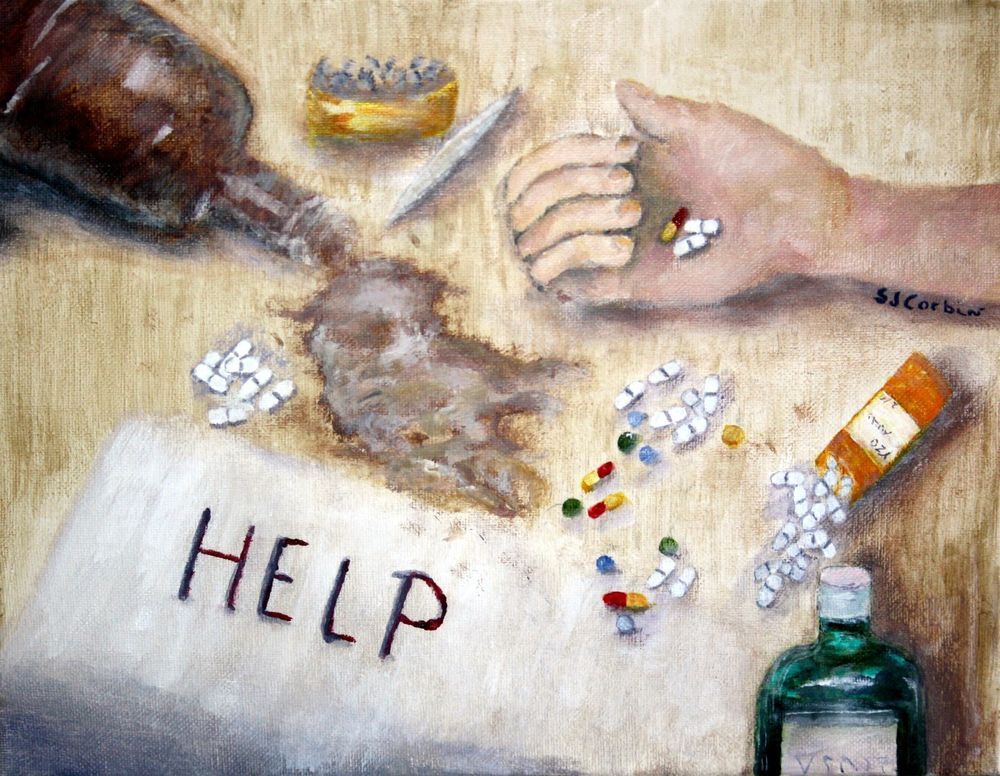
    I had some extremely, extremely scary experiences with drugs.  The last time for a particular substance I said would be the last time I’d try anything.  Being stuck in your mind is a terrifying thing, there is no escape.  These substances are mind-altering.  Sometimes they’re mind entrapping. 

    This is the point I want to get across and I think is important.  It’s the point I make to anyone who asks about certain drugs or drug use.  You almost never know what you’re putting into your body and it’s often from a sketchy source.  What happens when you can’t escape your mind and you think something will never end?  I had a friend once tell me he considered killing himself one time during a particularly bad drug experience.  My thought was, “why would you put that in your body????”  Then, years later I had that something in my body. If it wasn’t for very trusted and caring friends being around me to calm me down, who knows what could have happened. Never before in my life had jumping off a balcony crossed my mind. It did that day. Drugs are not a joke.  This is the message, more than anything I’d like to get across.

    I consider myself lucky that I avoided most of the more dangerous and addictive substances out there.  I never touched a cigarette.  I was too afraid it would become a habit.  That fear kept me from putting myself in a dangerous position with many other drugs.  I was always afraid of man-made, synthetic substances.  I was raised to believe that man was conspiring against my freedom (D&C 89:4) and I believe that might have saved my life.

    How am I with drugs today?

    When I had my accident, they tried to prescribe me some sort of Oxy something or another pain medication.  I refused.  I got over the counter Advil and avoided taking that as much as I could.  I saw too many friends almost kill themselves over those pills.  I hope I can avoid ever touching one.

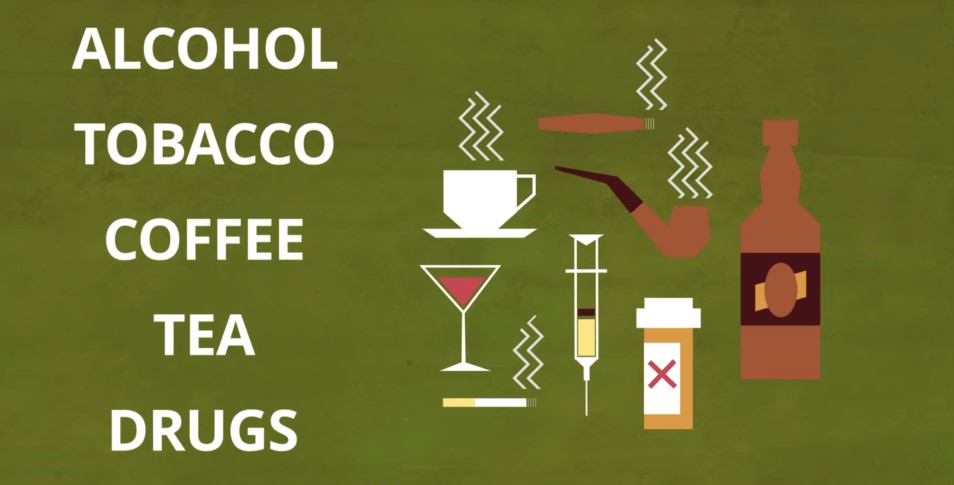
    Today I’ve cut out drugs, alcohol, caffeine, and juice.  Yes, juice.  I feel happier and healthier for it.  I see coworkers come into the office and walk like zombies to the coffee machine first thing in the morning.  I’ve never had that crutch and I never will.

    People talk about the Word of Wisdom like it takes away your freedom.  My experience tells me that drugs and alcohol, and yes, even caffeine take away our freedom, not expand it.  How many people can’t start their day without coffee?  How many people can’t start their weekend without liquor?  How many people are enslaved by substance abuse?

    I am so grateful for my upbringing and the protection I had against these dangerous substances in my life.  Even when I dabbled, I escaped the direst consequences.  I was lucky.  Why chance it?  I’m happier today than I’ve ever been now that I depend on no substance for that happiness.  The Word of Wisdom is a protection and despite my slip-ups through my growth, it did protect me, and I’m grateful for it.

  • Love has Afforded Me Much

    Love has Afforded Me Much

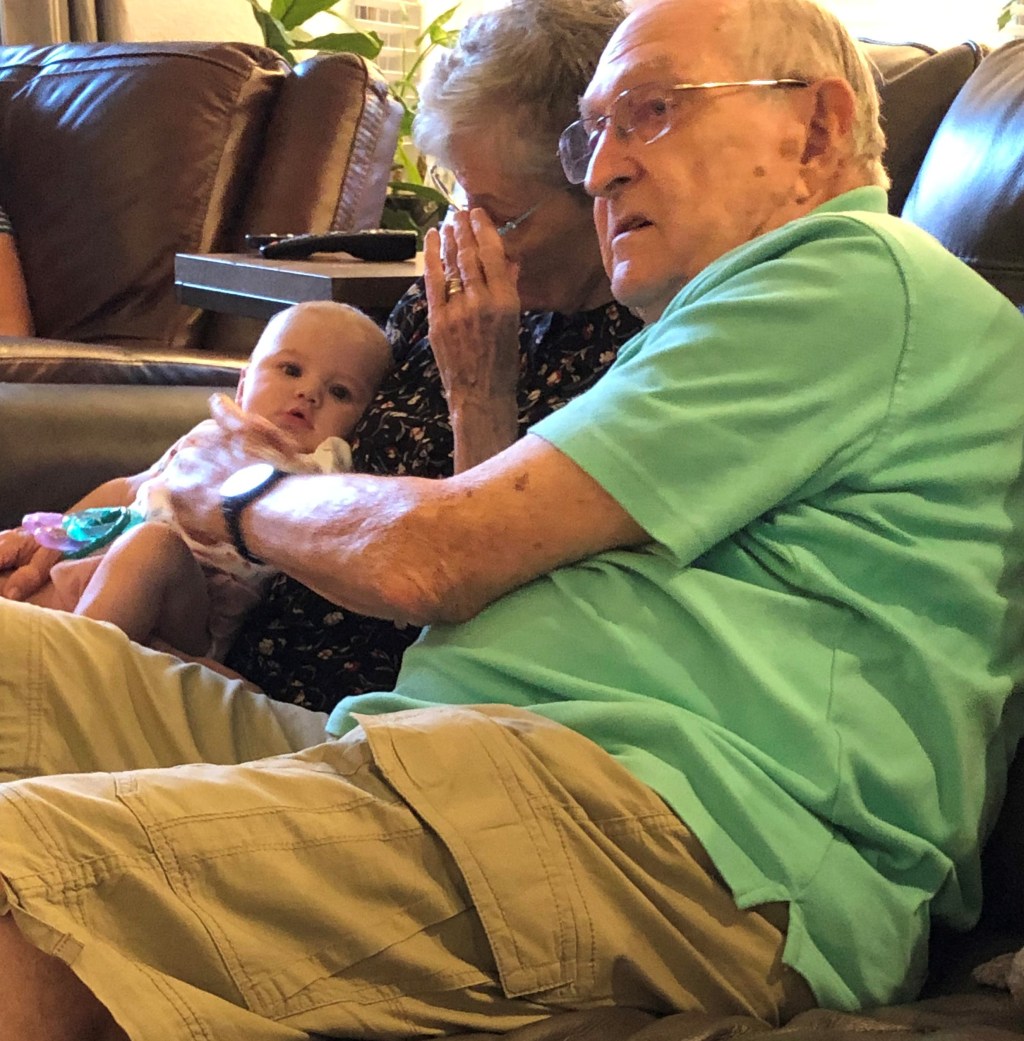
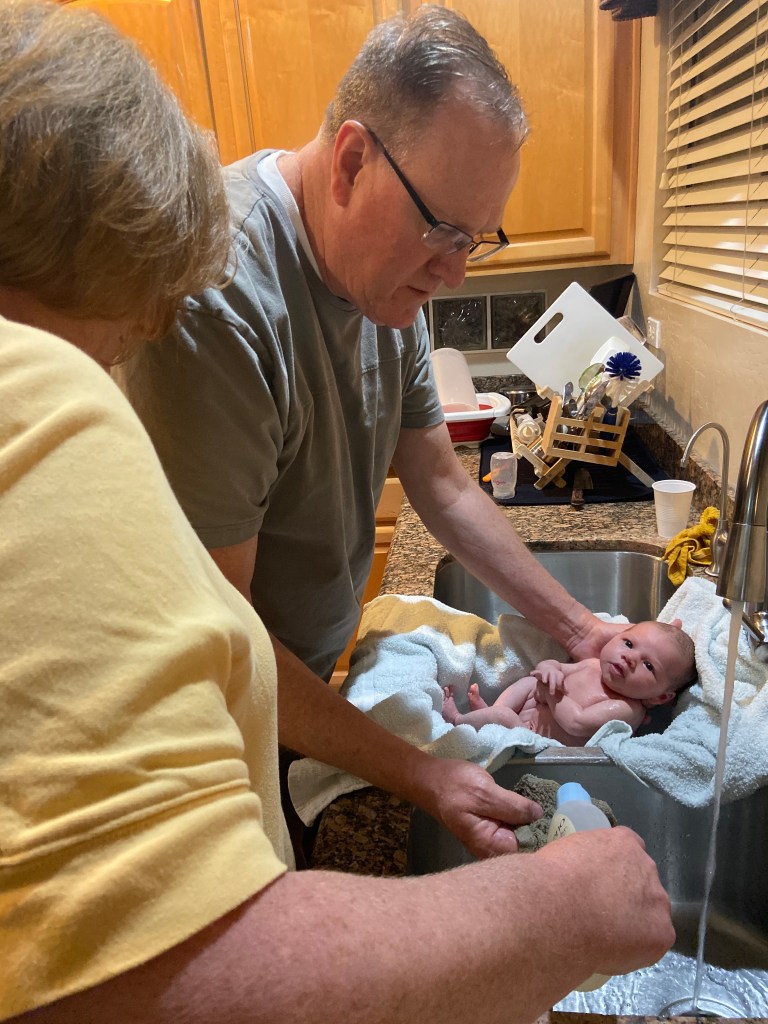
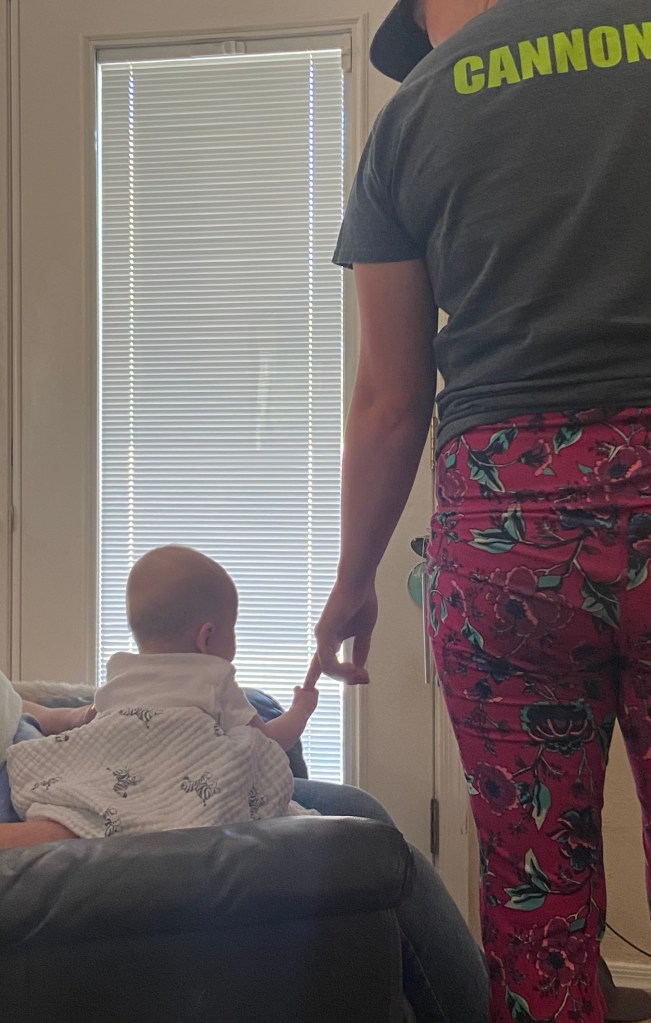
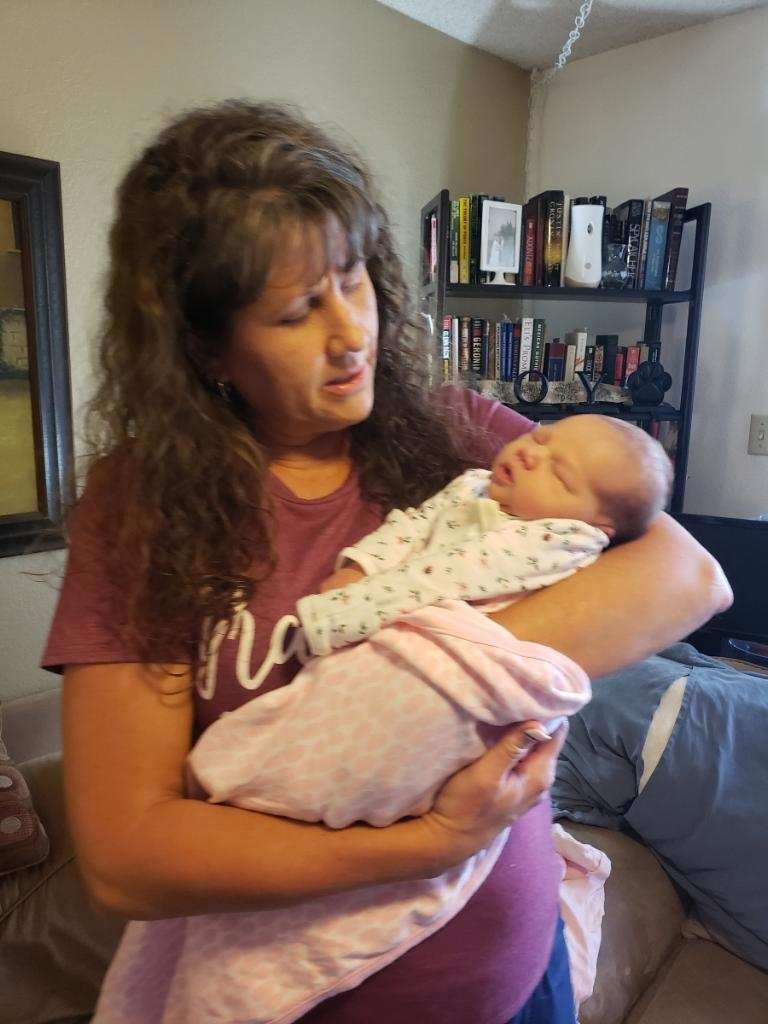
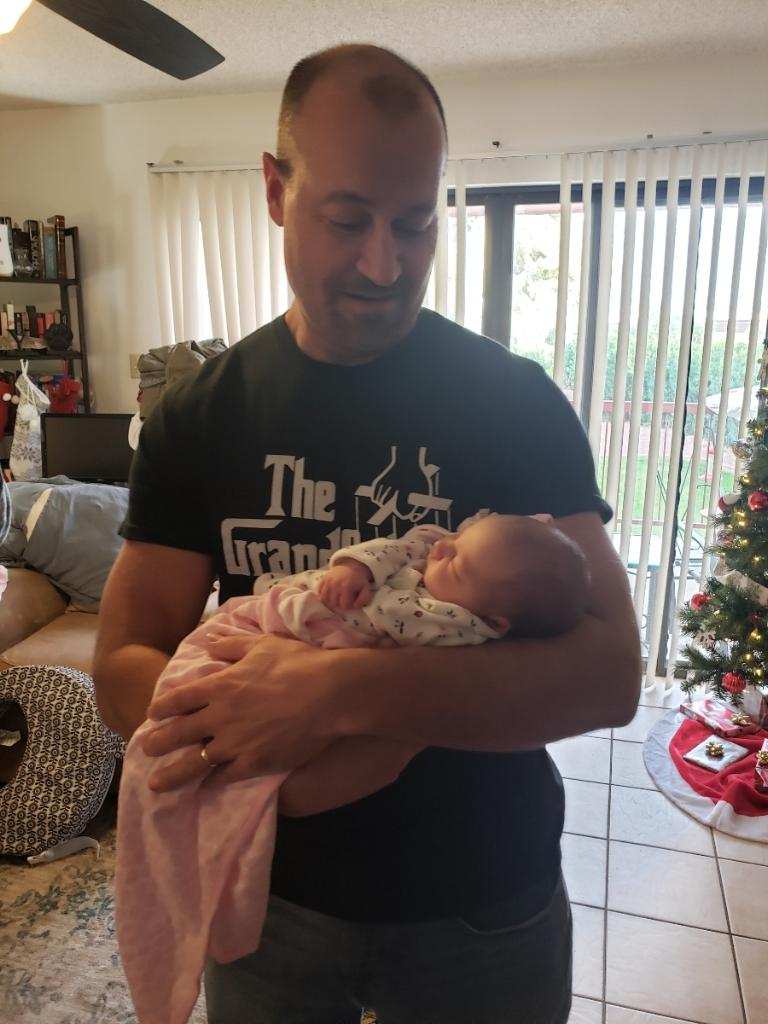
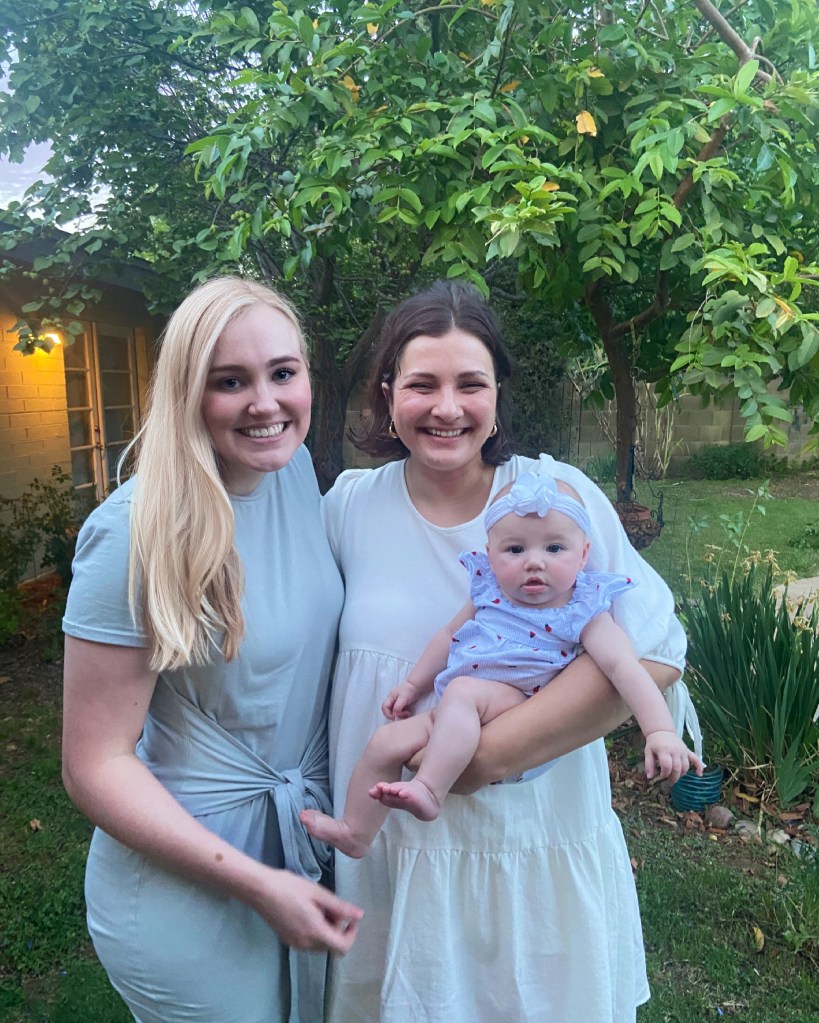
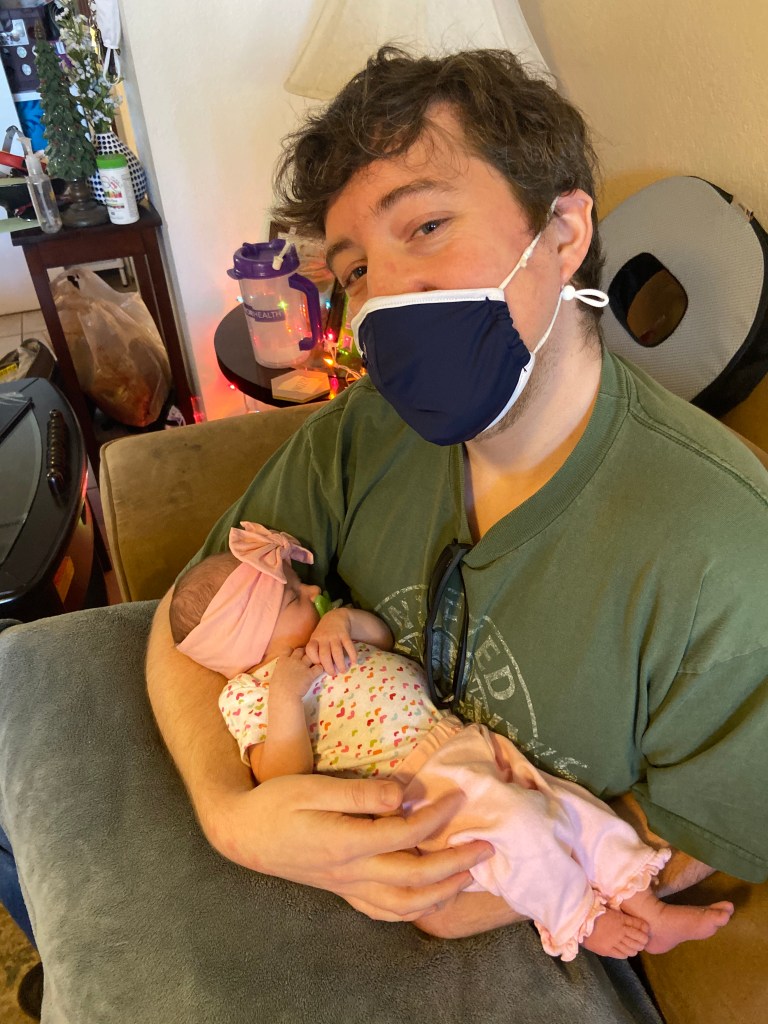
    Ivy is the first grandchild on both sides.  Ivy has 13 aunts and uncles.  She has two sets of grandparents who, while around her, make no qualms about her being the princess of the universe and most important thing to ever come to earth. As I watch her with family, I’m blown away by the amount of love.  She is loved so much.  Beth and I love her so much.  See The Greatest Moment of My Life Every Day for further evidence.

    I wonder how much this love positively impacts Ivy’s future.  How much does it impact the person she will become?

    As I watch her, something occurred to me recently.  I was surrounded by this same love growing up.  I wasn’t the first grandchild on either side, but I was surrounded by aunts, uncles, cousins, parents, and grandparents that loved and adored me.  Love was poured out upon me without measure as a baby.  Not only was I loved by those I could see, but I was made to know that God and so many I couldn’t see also loved and cared about me.

    While watching Ivy, it occurred to me how lucky and blessed I was to be surrounded by all that love.

    How much was I positively impacted by the love I was surrounded by?  How much did it shape who I am today?

    Not all children are given this great gift.

    It was a humbling thought.  It’s humbling to consider all that I’ve been given.  If I ever get prideful about any good qualities I may have, I can quickly look at all the attention, direction, and love I’ve been given in my life and realize there is nothing to be prideful of.  I have been afforded much.

    And to whom much is given, much is expected (Luke 12:48, D&C 82:3).

    This used to be a daunting scripture.  Now it is a great responsibility, and a great blessing.

    As I’ve gotten older, I have become more aware of how blessed I was to be raised with the light of the gospel of Jesus Christ in my life.  That is why I write this blog.  That is why I try to talk to friends, family, coworkers, etc. about the Book of Mormon.  That’s why I share my testimony of Jesus Christ.

    I am grateful for The Family A Proclamation to the World for what is teaches authoritatively and without reservation about the importance of the family unit.  My family unit has blessed my life in so many ways.  I wish every child could be loved like I was, like I still am, like Ivy is.

    God expects me to share the love I’ve been given.  Not in a prideful way, but with a humble recognition of how lucky I truly am.

    The two great commandments are to love and to love.  When you receive love, you must give love.  That’s what God asks from us.